98%: Asserted Is Wallpaper, Confirmed Is Specification
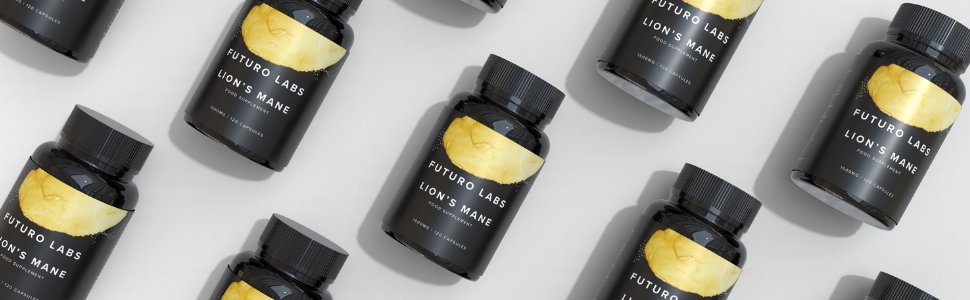
Purity is the exchange rate that keeps the panel's number a fact — with nowhere for vagueness to hide in two ingredients.
At a glance
- The definition: 98% = the powder is 98% apigenin by analysis — residuals capped at 2%
- Why it matters at 50mg: dose truth (90% purity = 45mg reality) + contents knowledge
- The word that matters: 'verified' — third-party confirmed, not brand-asserted
- The buyer's test: batch-linked certificates retrievable, or it's wallpaper
The number, defined — what 98% is actually measuring
Purity percentages deserve a plain definition before any marketing touches them: the measurement — an apigenin extract's purity is the assay result: what fraction of the powder is actually apigenin, with the remainder being the extraction's residuals (plant-matter compounds the process didn't remove): 98% means those residuals are held to a 2% ceiling, a specification about the input powder itself, upstream of capsules and labels (where the powder comes from, the molecule); why the number moves markets — extraction to high purity costs more than stopping early, which is why the category's percentages range widely and why the figure became this niche's competitive axis: the rare spec a sleep-shelf buyer can actually compare (the formulation page this deepens).
Why 50mg needs the number honest — and what 'verified' adds
The dose-level stakes, computed: dose truth — the convention is 50mg of apigenin, and purity is the exchange rate: at 98%, a 50mg fill delivers essentially the label; at 90%, it delivers 45mg; at the murkier percentages unstated labels permit, the convention quietly shrinks — purity is how the panel's number stays a fact (the convention it protects); contents knowledge — the impurity fraction is unspecified residue: trivial at 2%, meaningful at 10-15%, and unknowable wherever no assay exists; and the word carrying the weight — verified: a brand asserting 98% is making marketing; a third-party laboratory confirming it converts the claim into a specification — Futuro Labs Apigenin's position being exactly that conversion: 98% purity independently verified, per-batch testing (5 microbiological plus 4 heavy-metal checks) with certificates shown for the bottle in hand, the two-ingredient formulation (apigenin, rice flour, vegan capsule) leaving nowhere for vagueness to hide (the record).
Futuro Labs Apigenin
£19.99 for 90 capsules (90 days) · ~22p per day
Pros
- 50mg per capsule — the wind-down convention's dose, one capsule, no splitting
- 98% purity independently verified — rare in a category that mostly asserts it
- Two ingredients (apigenin + rice flour) in a vegan HPMC capsule — no filler stack
- Per-batch testing shown: 5 microbiological + 4 heavy-metal checks, all passing
- 90-day supply at ~22p/night
Cons
- No authorised claims exist for apigenin — this is a research-stage molecule sold honestly or not at all
- Drowsiness is the relevant effect: no driving until you know your response; medication users need the pharmacist minute first
Available from: Amazon UK — £19.99
The buyer's test, run anywhere — and the close
The check that sorts every label in the category: retrievability — batch-linked certificates a buyer can actually access: a named independent laboratory, identity and assay results, the document matching the bottle purchased — sixty seconds that separate specifications from wallpaper, run identically on domestic and import shelves (the origin-blind checklist, the marketplace edition); the honest limits printed beside the axis — purity is a quality specification, not an efficacy claim: a verified 98% capsule carries the same small settling-shaped file as the molecule itself (no claims exist at any purity — the audit), and the number's value is knowing what you're taking, never a promise about what it does. The standing gates, purity-independent: drowsiness → no driving until your response is known; any medication → the pharmacist minute; pregnancy or nursing → GP, pharmacist or midwife first (the drowsiness and driving note, the pharmacist gate). The 98% explained, closed at its true size: an assay ceiling on residuals, an exchange rate keeping 50mg honest, a verification converting claim into spec — and a category axis that finally lets a sleep-shelf buyer compare something real.
Frequently asked questions
What does 98% purity actually mean for apigenin?
The arithmetic and the proof: 98% purity means the apigenin powder inside is 98% apigenin by analysis — the extraction's residual plant matter held to a 2% ceiling — and 'independently verified' means a third-party laboratory confirmed it rather than the brand asserting it. The claim's value lives entirely in the verification: asserted percentages are wallpaper; confirmed ones are specifications.
Why does purity matter at a 50mg dose?
Two reasons: dose truth (at 90% purity, a '50mg' capsule delivers 45mg of actual apigenin — the convention quietly shrunk) and contents knowledge (the impurity fraction is unspecified plant residue: small at 2%, meaningful at 10-15%, and unknowable without testing). Purity is how the label's number stays honest.
How do I check any brand's purity claim?
The retrievability test: batch-linked certificates you can actually access — identity and assay results from a named independent laboratory, matching the bottle in hand. Brand-level testing language without reachable documents is messaging; the documents are the answer.
The 50mg convention, tested and shown?
Futuro Labs Apigenin — 98% purity, 90 nights. £19.99.
Shop on Amazon UK