Alcohol: The Night Was Decided by the Glass Count
Stacked sedation serves nothing and muddies attribution — the marker's home is the sober taper.
At a glance
- Alcohol dominates the evening: sedation then rebound — the marker vanishes inside it
- The rule: drinking nights → skip the capsule; single early drink → unremarkable
- The structural answer: the alcohol-free wind-down most nights — ritual kept, fragmenter retired
- Both driving rules stand — the drink's and the label's
The two-act evening — why this combination question answers itself
Alcohol's sleep pharmacology settles most of this page in one telling: act one — sedation: the drink shortens lights-out and feels like a sleep aid, which is the seduction; act two — the rebound: as blood alcohol falls through the night, sleep fragments, deep phases shrink, awakenings multiply and the 3-4am surfacing arrives on schedule — the nightcap borrowing sleep from the second half at heavy interest (where those mechanics live). Inside that pharmacology, a 50mg botanical marker is a whisper at a concert: apigenin's gentle settling signal — small at the best of times (the audit) — simply disappears under alcohol's dominance, so the combination isn't dangerous territory so much as pointless territory with stacked drowsiness attached.
The rules that follow — restraint and attribution
The practical protocol this pharmacology writes: genuine drinking nights — skip the capsule: stacked sedation serves no goal, muddies any self-trial data beyond reading (tomorrow's grogginess becomes unattributable), and the night's quality was already decided by the glass count — water, time and modest expectations are the honest kit; the single-early-drink evening — one drink well clear of bedtime leaves the ordinary evening intact: the marker at its usual taper slot is unremarkable there, with the standing drowsiness rules unchanged; and the structural answer that outranks both cases — the alcohol-free wind-down as the default: the ritual's real job (marking the transition) survives the ingredient swap completely, and the fortnight where the rebound stops visiting is the best sleep intervention this entire cluster can point at (that page's whole build, the sequence around it).
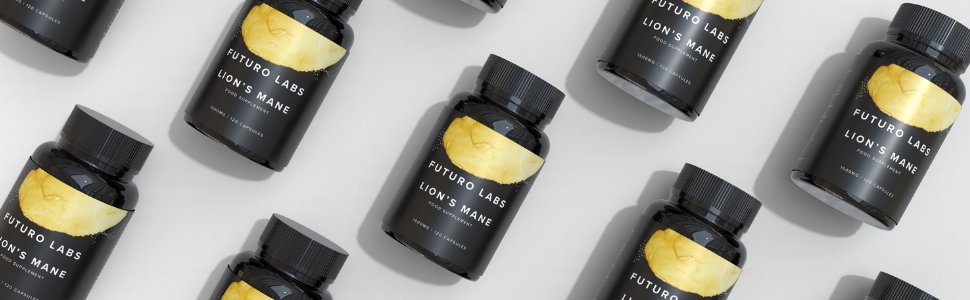
Futuro Labs Apigenin
£19.99 for 90 capsules (90 days) · ~22p per day
Pros
- 50mg per capsule — the wind-down convention's dose, one capsule, no splitting
- 98% purity independently verified — rare in a category that mostly asserts it
- Two ingredients (apigenin + rice flour) in a vegan HPMC capsule — no filler stack
- Per-batch testing shown: 5 microbiological + 4 heavy-metal checks, all passing
- 90-day supply at ~22p/night
Cons
- No authorised claims exist for apigenin — this is a research-stage molecule sold honestly or not at all
- Drowsiness is the relevant effect: no driving until you know your response; medication users need the pharmacist minute first
Available from: Amazon UK — £19.99
The wider notes, and the close
Completing the file: the driving rules double — alcohol's legal limits and judgement effects stand entirely apart from supplements, and this label's no-driving-until-you-know-your-response note stacks on top rather than replacing anything: an evening containing both has two independent reasons the car stays parked (the drowsiness and driving note, the pharmacist gate); the pattern note, offered with care — if the combination question keeps arising because most nights contain drinks, the honest conversation is about the drinks: sleep that never escapes the rebound has its cause named, and where moderating feels bigger than a habit-swap, a GP conversation opens real support without judgement (said kindly there too); and the medicated note as ever — alcohol interacts with plenty of prescriptions in its own right: the pharmacist minute covers the true full stack, glass included. Pregnancy or nursing → GP, pharmacist or midwife, on every count here. Apigenin and alcohol, closed by the concert-and-whisper maths: the drink dominates, the marker waits for sober tapers — and the best combination remains the one where the second act never plays.
Frequently asked questions
Can I take apigenin after drinking alcohol?
The honest ordering: alcohol is the evening's real sedation event and its rebound owns the night's second half — adding a botanical marker on top changes little and stacks drowsiness you can't attribute. The better move is structural: the alcohol-free wind-down most nights, and on drinking nights, water, time, and no expectations of a capsule rescue.
Does alcohol cancel out apigenin?
Wrong frame — nothing at 50mg needed cancelling: alcohol's pharmacology simply dominates the evening (sedation then fragmentation), and any gentle settling signal disappears inside it. The capsule isn't ruined; the night is, by the drink's second act.
What's the safe rule for combining them?
Restraint plus attribution: on genuine drinking nights, skip the capsule — stacked drowsiness serves nothing and muddies your own data; on a single-drink evening well before bed, the marker at its usual slot is unremarkable. Either way, alcohol's driving rules and this label's no-driving-after note both stand.
The 50mg convention, tested and shown?
Futuro Labs Apigenin — 98% purity, 90 nights. £19.99.
Shop on Amazon UK