How to Store Lion's Mane UK — Storage Guide
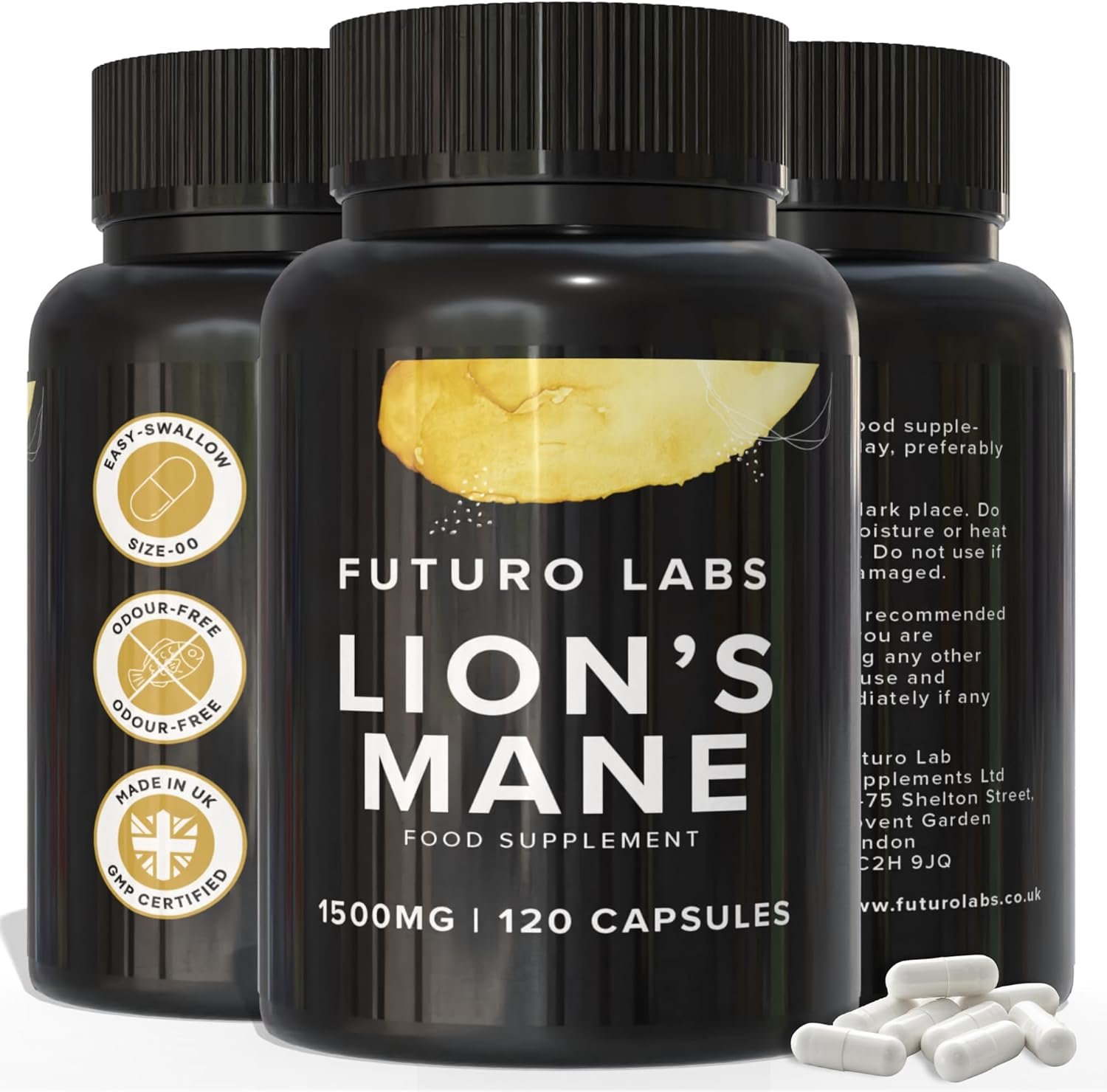
How you store lion's mane matters more than most users realise. The bioactive compounds in fruiting body extract — particularly the polyphenol fraction with hericenones and erinacines — are sensitive to heat, light, moisture, and oxygen. Improper storage can degrade active content within months. We cover proper storage of capsules, powder, tincture, and tea formats.
At a glance: our picks
- Standard storage rule: Cool, dark, dry, sealed
- Best storage location: Kitchen pantry or cupboard
- Avoid: Bathroom, windowsill, near cooker, car dashboard
- Most stable format: Tincture (alcohol preservation)
- Most sensitive format: Powder (surface area exposure)
How you store lion's mane matters more than most users realise. The bioactive compounds in lion's mane fruiting body extract — particularly the polyphenol fraction with hericenones and erinacines — are sensitive to heat, light, moisture, and oxygen. Improper storage can degrade the active content significantly within months, meaning you're paying for clinical dose tier but consuming progressively less of what makes lion's mane work.
This guide covers proper storage of lion's mane capsules, powder, tincture, and tea formats — plus the practical UK considerations of kitchen storage, travel, and bulk-buying decisions.
Our top picks reviewed
Futuro Labs Lion's Mane
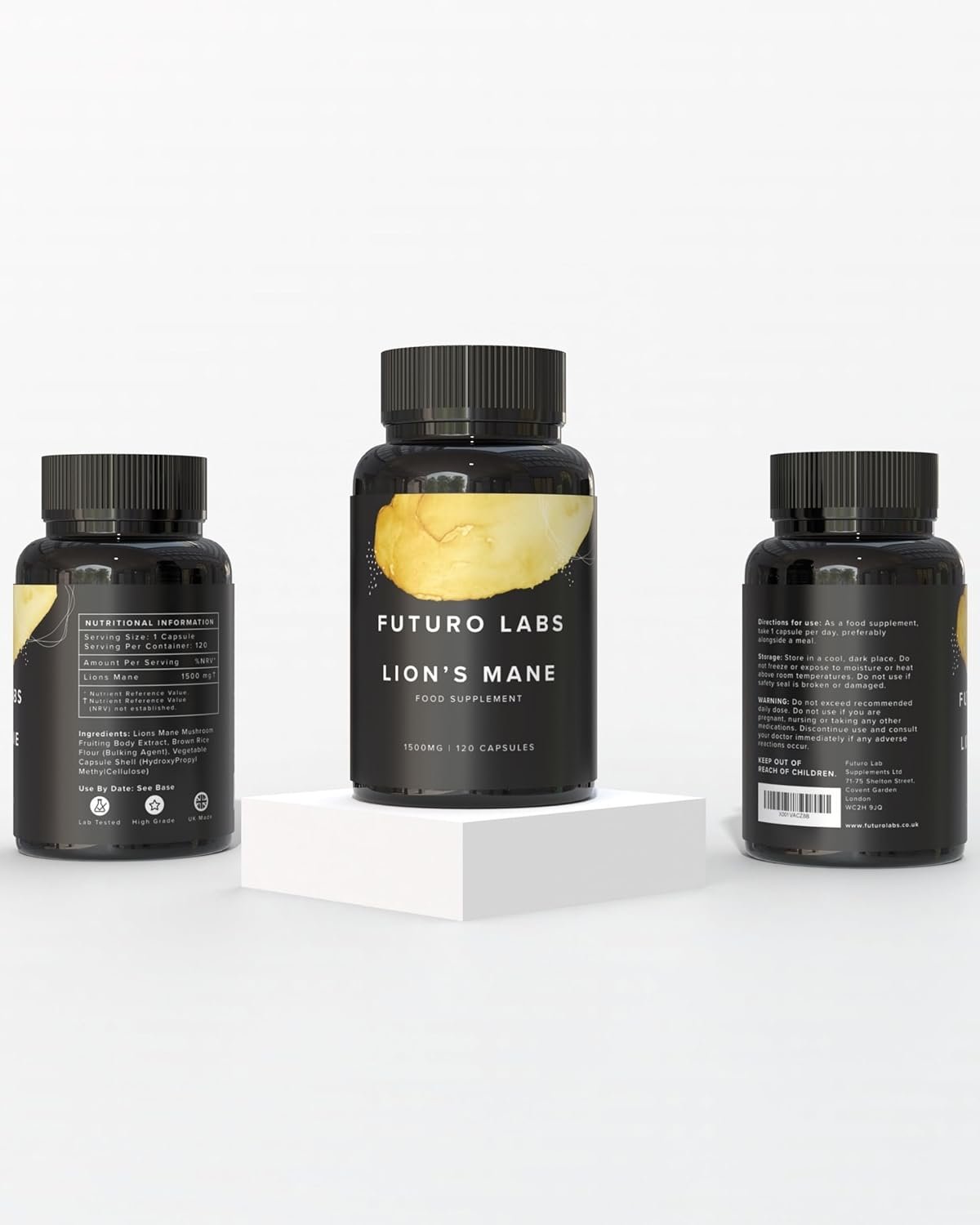
£15.49 for 120-day supply · 13p per day
Pros
- 1500mg fruiting body extract (5:1 ratio) per single capsule
- Delayed-release capsule for high absorption
- 21.6mm size-00 — easier swallow than most 1500mg formats
- 120-day supply at ~13p per day
- BRC AA accredited UK manufacturing
- Vegan HPMC, no fillers, odour-free, lab tested
Cons
- Single-ingredient (no nootropic blend)
- Newer brand vs heritage UK names
Available from: Amazon UK · Futuro Labs
Solve Labs Lion's Mane
Around £22-28 for 60-day supply · 37-47p per day
Pros
- Dual-extracted fruiting body
- UK manufactured
- Strong sourcing transparency
Cons
- Higher cost per day
- Smaller pack sizes
Available from: Solve Labs · Amazon UK
Bristol Fungarium Lion's Mane
Around £25-32 for 30-day supply · 83p-£1.07 per day
Pros
- UK-grown organic mushrooms
- Soil Association certified
- Dual-extracted fruiting body
Cons
- Premium pricing
- Tincture-format primary
Available from: Bristol Fungarium · Healf
At-a-glance comparison
| Format | Shelf life from manufacture | Once opened | Storage sensitivity |
|---|---|---|---|
| Capsules (e.g. FL) | 24-36 months | 12-18 months optimal | Low (HPMC barrier) |
| Powder | 18-24 months | 6-12 months optimal | Higher (surface area) |
| Tincture | 36-48 months | 12-24 months | Lowest (alcohol preservation) |
| Tea | 12-24 months | 6-12 months optimal | Higher (absorbs odours) |
Storage basics across all formats
The four enemies of lion's mane potency:
- Heat: consistent storage above 25°C accelerates compound degradation
- Light: direct sunlight and strong artificial light degrade polyphenols
- Moisture: humidity above 60% can cause clumping and microbial growth
- Oxygen: repeated bottle opening exposes contents to oxidation
The standard storage rule: cool, dark, dry, sealed. Most kitchen pantries meet these conditions adequately. Direct windowsills, near cookers, in bathrooms, or on car dashboards do not.
Storing lion's mane capsules
Capsules are the most storage-stable lion's mane format. The HPMC capsule shell provides good barrier protection against moisture and oxygen, and most quality UK products use opaque or amber bottles that limit light exposure.
Best practices for capsules
- Keep the original bottle — quality UK supplement bottles are opaque or amber for a reason. Don't transfer to clear glass containers for aesthetic reasons.
- Replace the cap firmly after each use — minimises oxygen exposure
- Store in a kitchen cupboard or pantry — consistent temperature, away from cooker heat
- Keep the desiccant pack if the bottle includes one — these absorb humidity
- Avoid bathroom storage — humidity and temperature swings degrade the product
Shelf life
Quality UK lion's mane capsules typically have 24-36 month best-before dates from manufacture. Properly stored, capsules retain meaningful potency well within this range. Once opened, aim to use within 12-18 months for optimal compound retention.
Storing lion's mane powder
Powder is more storage-sensitive than capsules. Greater surface area exposed to air, more vulnerable to humidity, and the lack of capsule barrier protection means storage practice matters more.
Best practices for powder
- Reseal the original packaging firmly after each use
- Consider transferring to airtight glass jar if original packaging seals poorly — opaque jars preferable
- Store in cool dark cupboard — not on countertop where light and temperature vary
- Use a clean dry spoon — never wet spoons or utensils
- Don't refrigerate — counterintuitive, but condensation when removing from fridge introduces moisture
Shelf life
Quality UK lion's mane powder has 18-24 month best-before dates. Once opened, aim to use within 6-12 months for optimal compound retention. Powder degrades faster than capsules due to greater surface area exposure.
Storing lion's mane tincture
Tinctures are the most storage-stable format due to alcohol preservation. The 20-40% alcohol content prevents microbial growth and limits compound degradation.
Best practices for tinctures
- Keep the dropper cap clean — don't touch the dropper to your tongue then return it to the bottle (cross-contamination)
- Store upright in cool dark cupboard
- Refrigeration optional — extends shelf life slightly but not necessary
Shelf life
Tinctures have the longest shelf life of any lion's mane format — typically 36-48 months from manufacture, well beyond when most users finish a bottle. Once opened, generally usable for 12-24 months without meaningful degradation.
Storing lion's mane tea
Tea bags or loose tea blends should be stored like quality coffee or tea — airtight container, away from light and moisture.
Best practices for tea
- Keep in original sealed packaging until opening
- Transfer to airtight tin or jar after opening
- Store away from strong odours — tea absorbs flavours from nearby spices, coffee, etc.
Shelf life
Tea blends have 12-24 month best-before dates. Once opened, use within 6-12 months for best flavour and compound retention.
Travel and bulk storage
Travel
For UK adults maintaining supplement protocols across business travel or holidays:
- Decant a 1-2 week supply into a smaller pill organiser rather than carrying full bottles
- Original bottle's barrier benefits matter less for short timeframes
- Avoid leaving in hot car interiors during summer travel
- Hand luggage is generally fine for capsule supplements through UK airport security
Bulk buying considerations
FL Lion's Mane comes in 120-day supply at £15.49 — most users finish a bottle well within shelf life. For UK buyers tempted to buy 3-4 bottles at once for cost savings:
- Storage life isn't typically the limiting factor — bulk-bought capsules usually finish within shelf life
- Verify the manufacture date / best-before on each bottle before bulk buying
- Stack-and-store strategy works fine for capsules; less ideal for powder due to faster degradation
Frequently asked questions
How should I store lion's mane?
Cool, dark, dry, sealed. Kitchen pantry or cupboard is ideal. Avoid windowsills, near cookers, bathrooms, and car dashboards. Keep original bottle (opaque or amber for a reason). Replace cap firmly after each use. Powder and tea formats are more storage-sensitive than capsules and tinctures.
Does lion's mane go off?
Quality UK lion's mane capsules typically have 24-36 month best-before dates from manufacture. Properly stored capsules retain meaningful potency well within this range. Powder degrades faster (18-24 month best-before; 6-12 months once opened). Tinctures last longest (36-48 months). Past the best-before date, the product probably isn't unsafe but compound potency declines progressively.
Can I keep lion's mane in the bathroom?
No — bathroom humidity and temperature swings accelerate compound degradation. Even the relatively storage-stable capsule format loses potency faster in bathroom storage. Move to a kitchen cupboard or bedroom drawer. Anywhere with consistent temperature below 25°C and low humidity is fine.
Should I refrigerate lion's mane?
Generally no for capsules and powder — condensation when removing from fridge introduces moisture that accelerates degradation. Tinctures can be refrigerated (extends shelf life slightly but not necessary). For UK kitchens, a cool dark cupboard at consistent room temperature is better than refrigeration for most lion's mane formats.
Looking for the best value lion's mane in the UK?
Futuro Labs Lion's Mane delivers 1500mg fruiting body extract (5:1) in a delayed-release capsule for ~13p per day.
Shop on Amazon UKLast updated: 10 May 2026. All content is provided for general information only and is not intended to substitute for professional medical advice. If you have any health concerns, consult your GP or a qualified healthcare professional. Futuro Labs is a registered UK supplement manufacturer (Futuro Lab Supplements Ltd, 71-75 Shelton Street, London WC2H 9JQ). Affiliate links to Amazon UK and our own store are clearly disclosed.