Lion's Mane and Pregnancy UK 2026
Current recommendation: avoid lion's mane during pregnancy and breastfeeding. This is based on insufficient safety data rather than evidence of harm. Precautionary principle applies. Focus on NHS-recommended prenatal supplements.
At a glance: our picks
- During pregnancy: Avoid — insufficient safety data
- During breastfeeding: Avoid — precautionary
- Evidence of harm: None documented
- Basis for caution: Insufficient data, not evidence of risk
- After breastfeeding: Resume if desired, standard dose
Can you take lion's mane during pregnancy or while breastfeeding? The current recommendation from most UK supplement brands and healthcare professionals is to avoid lion's mane during pregnancy and breastfeeding due to insufficient safety data. This guide explains why, and what that means in practice.
Our top picks reviewed
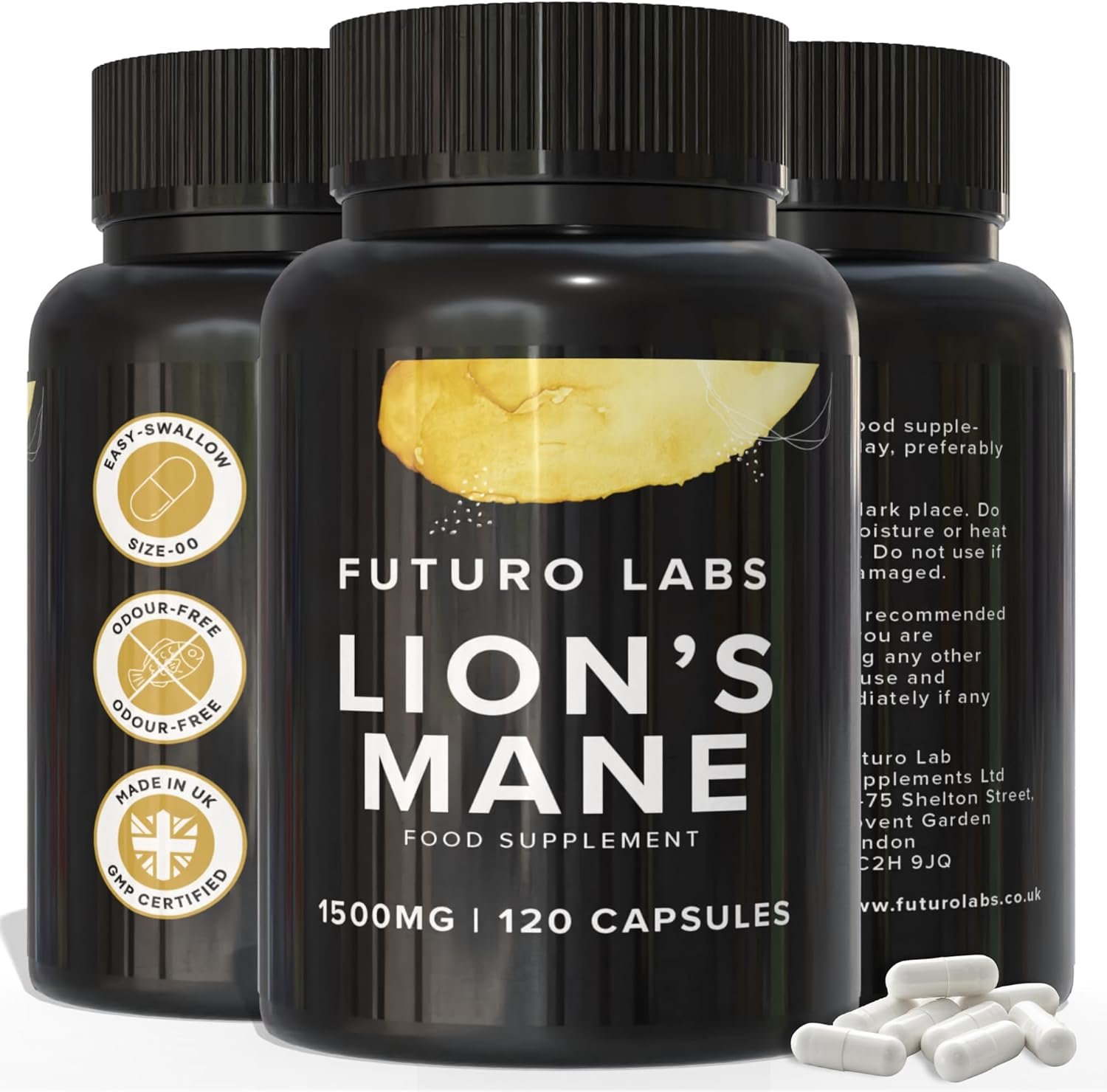
Futuro Labs Lion's Mane
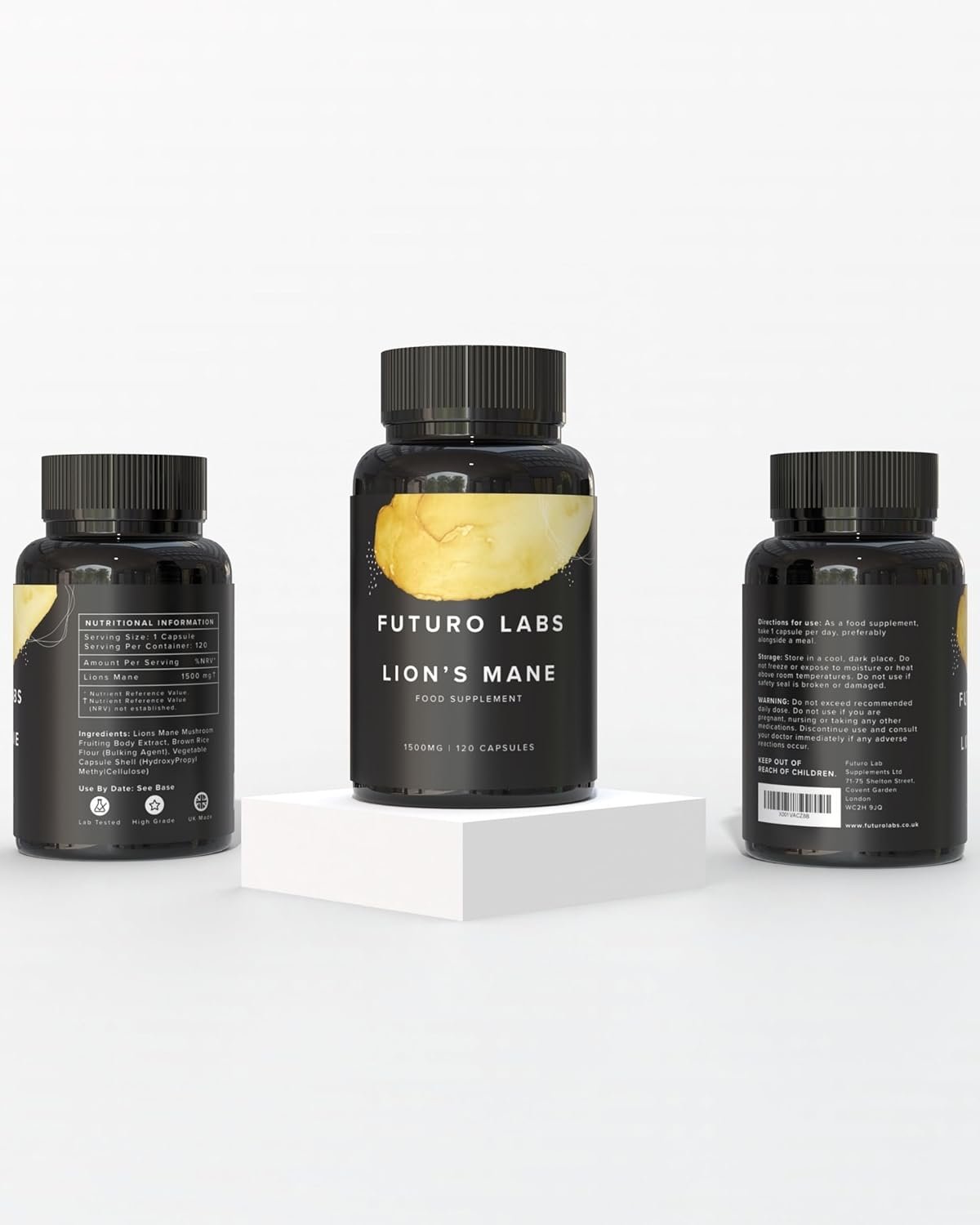
£15.49 for 120-day supply · 13p per day
Pros
- 1500mg fruiting body extract (5:1 ratio) per single capsule
- Delayed-release capsule for high absorption
- 21.6mm size-00 — easier swallow than most 1500mg formats
- 120-day supply at ~13p per day
- BRC AA accredited UK manufacturing
- Vegan HPMC, no fillers, odour-free, lab tested
Cons
- Single-ingredient (no nootropic blend)
- Newer brand vs heritage UK names
Available from: Amazon UK · Futuro Labs
At-a-glance comparison
| Stage | Lion's mane | NHS-recommended supplements |
|---|---|---|
| Pre-conception | Stop before conception | Folic acid 400mcg daily |
| Pregnancy | Avoid — insufficient data | Folic acid, vitamin D 400 IU, iron if prescribed |
| Breastfeeding | Avoid — precautionary | Vitamin D 400 IU |
| After breastfeeding | Resume if desired | Standard supplements as needed |
Current recommendation: avoid during pregnancy and breastfeeding
Most UK lion's mane products, including FL Lion's Mane, carry a label warning: "Do not use if you are pregnant, nursing or taking any other medications." This is standard across the UK supplement industry for supplements without specific pregnancy safety data.
The recommendation to avoid is based on insufficient data rather than evidence of harm:
- No human pregnancy safety studies exist for lion's mane supplementation
- No documented cases of harm from lion's mane during pregnancy in the literature
- Traditional food consumption: lion's mane has been consumed as food in East Asia for centuries, including presumably by pregnant women, without documented issues
- The precautionary principle: without specific safety data, the responsible recommendation is to avoid rather than assume safety
Why extra caution during pregnancy
Pregnancy warrants extra supplement caution for several reasons:
- Developing foetus sensitivity: compounds that are safe for adults may affect foetal development
- Immune modulation: lion's mane has immune-modulating properties (beta-glucans). Pregnancy involves specific immune adaptations; unnecessary immune modulation is best avoided.
- NGF/BDNF stimulation: nerve growth factors play roles in foetal neural development. Exogenous NGF stimulation during pregnancy hasn't been studied.
- Regulatory context: UK food supplement regulations require manufacturers to advise against use during pregnancy unless specific safety data exists
Practical guidance for UK women
- If currently taking lion's mane and planning pregnancy: stop lion's mane before conception or as soon as pregnancy is confirmed. No evidence of harm from prior use.
- During pregnancy: avoid lion's mane supplementation. Focus on prenatal vitamins (folic acid, iron, vitamin D, omega-3 DHA) as recommended by NHS and your midwife.
- While breastfeeding: avoid until more data is available. Compounds in supplements can pass into breast milk.
- After breastfeeding: resume lion's mane if desired. No special considerations for restarting.
- If you accidentally took lion's mane early in pregnancy: don't panic. No documented harm exists. Mention it to your midwife for reassurance and stop supplementation.
Safe supplements during pregnancy (NHS-recommended)
NHS guidance recommends specific supplements during pregnancy:
- Folic acid 400mcg daily: before conception through first 12 weeks (reduces neural tube defect risk)
- Vitamin D 10mcg (400 IU) daily: throughout pregnancy and breastfeeding
- Iron: if prescribed following bloodwork showing deficiency
- Omega-3 DHA: supports foetal brain and eye development
Stick to NHS-recommended supplements during pregnancy. Discuss any additional supplementation with your midwife or GP.
Frequently asked questions
Can I take lion's mane while pregnant?
The current recommendation is to avoid. No human pregnancy safety studies exist for lion's mane. No documented harm either — the recommendation is precautionary due to insufficient data. Most UK lion's mane products carry pregnancy avoidance warnings. Focus on NHS-recommended prenatal supplements (folic acid, vitamin D, iron if needed, omega-3 DHA). Discuss any supplementation with your midwife.
Is lion's mane safe during breastfeeding?
Avoid during breastfeeding due to insufficient safety data. Compounds in supplements can pass into breast milk. No documented harm, but the precautionary principle applies. Resume after breastfeeding if desired — no special considerations for restarting.
I took lion's mane before I knew I was pregnant — is it harmful?
Don't panic. No documented harm from lion's mane during pregnancy exists in the literature. Lion's mane has been consumed as food for centuries. Stop supplementation now and mention it to your midwife for reassurance. The risk from brief early-pregnancy exposure is very likely negligible based on available evidence.
When can I restart lion's mane after pregnancy?
After completing breastfeeding. No special considerations for restarting — resume at standard dose (1500mg fruiting body extract daily). Allow 4-8 weeks for effects to build as with any new start.
Looking for the best value lion's mane in the UK?
Futuro Labs Lion's Mane delivers 1500mg fruiting body extract (5:1) in a delayed-release capsule for ~13p per day.
Shop on Amazon UKLast updated: 10 May 2026. All content is provided for general information only and is not intended to substitute for professional medical advice. If you have any health concerns, consult your GP or a qualified healthcare professional. Futuro Labs is a registered UK supplement manufacturer (Futuro Lab Supplements Ltd, 71-75 Shelton Street, London WC2H 9JQ). Affiliate links to Amazon UK and our own store are clearly disclosed.