Lion's Mane vs Phosphatidylserine UK 2026
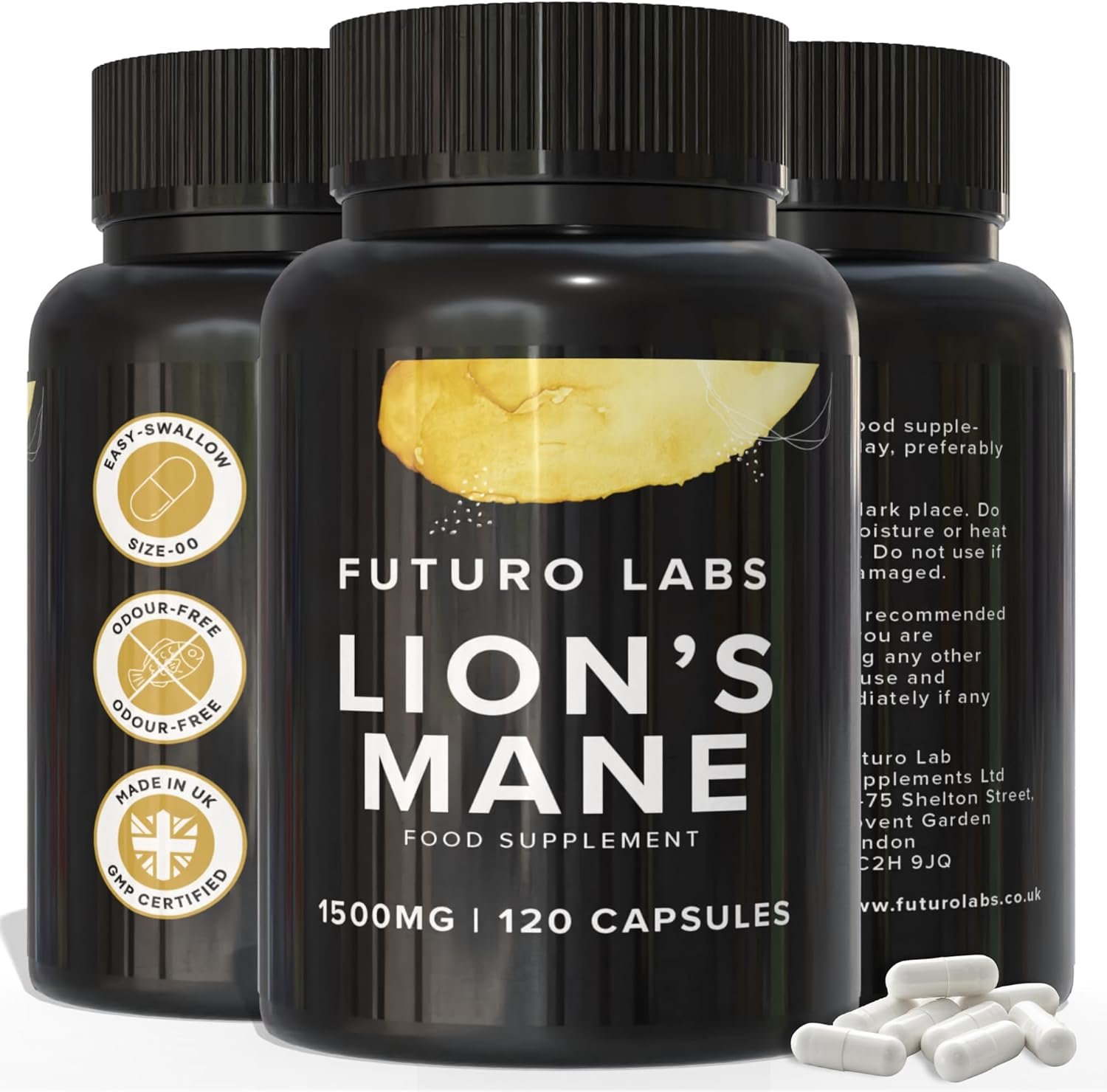
Lion's mane and phosphatidylserine both support cognition through different mechanisms — neurotrophic support vs cell membrane structure. Lion's mane has a more unique mechanism and lower cost, making it the higher-priority starting point for most UK adults.
At a glance: our picks
- Lion's mane mechanism: NGF/BDNF — unique dietary source
- PS mechanism: Cell membrane structural support
- Cost comparison: ~13p/day vs 25-50p/day
- Better starting point: Lion's mane — more unique, cheaper, growing evidence
- PS priority: After lion's mane + omega-3 + magnesium
Lion's mane and phosphatidylserine (PS) are both positioned as cognitive supplements but work through completely different mechanisms. Lion's mane supports nerve growth factors; PS is a structural component of brain cell membranes. This comparison helps UK buyers understand whether one, the other, or both fit their cognitive support needs.
Our top picks reviewed
Futuro Labs Lion's Mane
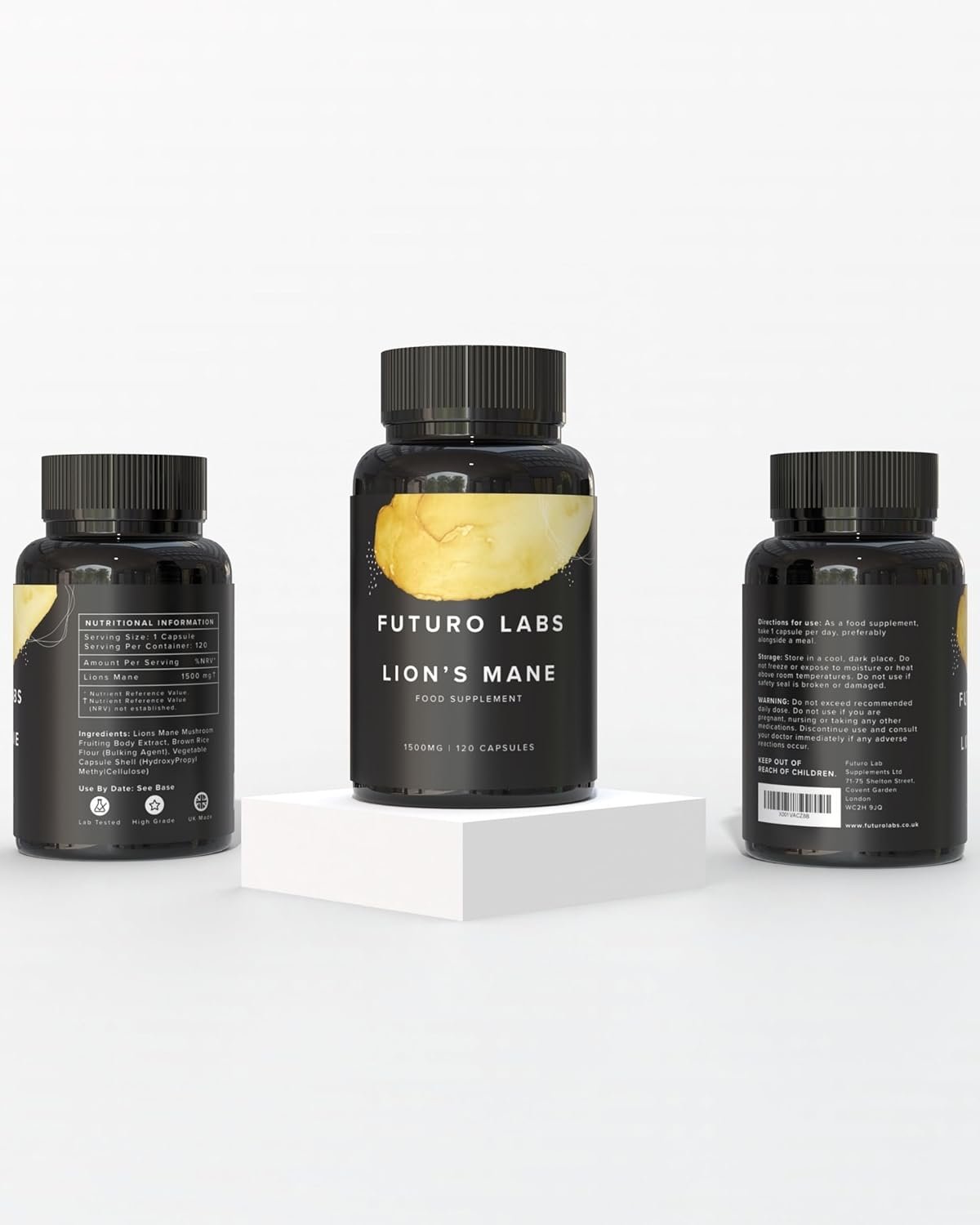
£15.49 for 120-day supply · 13p per day
Pros
- 1500mg fruiting body extract (5:1 ratio) per single capsule
- Delayed-release capsule for high absorption
- 21.6mm size-00 — easier swallow than most 1500mg formats
- 120-day supply at ~13p per day
- BRC AA accredited UK manufacturing
- Vegan HPMC, no fillers, odour-free, lab tested
Cons
- Single-ingredient (no nootropic blend)
- Newer brand vs heritage UK names
Available from: Amazon UK · Futuro Labs
Phosphatidylserine (UK brands)
£15-30 / 60-day · 25-50p
Pros
- Cell membrane structural support
- Qualified FDA cognitive claim
- Modest evidence in older adults
Cons
- Effects modest at best in healthy adults
- Premium pricing
- Better alternatives for most applications
Available from: Amazon UK
At-a-glance comparison
| Lion's Mane (FL) | Phosphatidylserine | |
|---|---|---|
| Mechanism | NGF/BDNF neurotrophic | Cell membrane structural |
| Evidence base | Growing (MCI focus) | Modest (decades, qualified claim) |
| Uniqueness | Unique dietary NGF source | Also from diet/other supps |
| Daily cost | ~13p | 25-50p |
| Side effects | Minimal | Occasional digestive at high dose |
| Priority | Higher — start here | Lower — add after LM + omega-3 |
Different mechanisms
Lion's mane — neurotrophic support
Lion's mane stimulates NGF/BDNF production — growth factors that support nerve cell growth, maintenance, and plasticity. Effects build over 4-8 weeks. The mechanism addresses cognitive capacity at a fundamental neural level. Dose: 1500-3000mg fruiting body extract daily.
Phosphatidylserine — cell membrane structural support
PS is a phospholipid that makes up a significant portion of brain cell membranes. Supplementation at 100-300mg daily provides structural building blocks for cell membranes, supporting cell signalling and neurotransmitter release. The FDA allows a qualified health claim for PS and cognitive function (with language noting "very limited and preliminary" evidence). Effects are modest in most studies.
Evidence comparison
- Lion's mane: growing evidence base with the Mori et al 2009 study as the foundational human trial. Strongest in older adults with mild cognitive concerns. Growing research in healthy adults.
- PS: modest evidence from multiple studies over several decades. Some benefit shown in older adults with cognitive decline. Limited benefit demonstrated in healthy younger adults. The qualified FDA health claim reflects "very limited and preliminary" evidence.
Neither has an overwhelming evidence base, but lion's mane's mechanism (NGF/BDNF stimulation) is arguably more compelling and unique than PS's structural membrane support, which can also come from dietary sources (organ meats, soy, sunflower lecithin).
Practical comparison
- Cost: lion's mane (FL ~13p/day) is substantially cheaper than PS (typically 25-50p/day at adequate dose)
- Side effects: both well-tolerated. PS occasionally causes digestive effects at higher doses.
- Availability: both widely available on Amazon UK and UK supplement retailers
- Combinability: different mechanisms, complementary. Can be taken together.
Recommendation
For most UK adults: lion's mane is the better starting point — more unique mechanism, growing evidence base, lower cost, well-tolerated. PS is a reasonable addition for adults specifically interested in cell membrane support, but it's typically not worth taking before lion's mane, omega-3, and magnesium glycinate are established.
Priority order for UK cognitive supplementation: lion's mane first (foundational NGF/BDNF), then omega-3 (also supports cell membranes via DHA), then magnesium (sleep/stress mechanism), then consider PS as a later addition if additional membrane support is wanted.
Frequently asked questions
Lion's mane vs phosphatidylserine — which is better?
Lion's mane has a more unique and compelling mechanism (NGF/BDNF stimulation) and is substantially cheaper (~13p/day vs 25-50p/day). PS has modest evidence for cognitive support via cell membrane structural support. For most UK adults, lion's mane is the better starting point. PS is a reasonable later addition but lower priority than lion's mane, omega-3, and magnesium.
Can you take lion's mane and phosphatidylserine together?
Yes — different mechanisms (neurotrophic vs structural membrane). Complementary rather than redundant. If taking both, lion's mane is the higher priority. PS adds cell membrane support that omega-3 DHA also partially provides. Combined cost: ~40-65p/day. Most UK adults benefit more from lion's mane + omega-3 than lion's mane + PS.
What is phosphatidylserine used for?
PS is a phospholipid used for cognitive support — cell membrane structural component supporting cell signalling and neurotransmitter release. Supplementation at 100-300mg daily. FDA allows a qualified cognitive health claim with 'very limited and preliminary' evidence language. Modest benefits shown in some older adult studies. Available on Amazon UK at 25-50p/day.
Looking for the best value lion's mane in the UK?
Futuro Labs Lion's Mane delivers 1500mg fruiting body extract (5:1) in a delayed-release capsule for ~13p per day.
Shop on Amazon UKLast updated: 10 May 2026. All content is provided for general information only and is not intended to substitute for professional medical advice. If you have any health concerns, consult your GP or a qualified healthcare professional. Futuro Labs is a registered UK supplement manufacturer (Futuro Lab Supplements Ltd, 71-75 Shelton Street, London WC2H 9JQ). Affiliate links to Amazon UK and our own store are clearly disclosed.