Storage: Cool, Dry, Dark, Sealed — The Whole Science
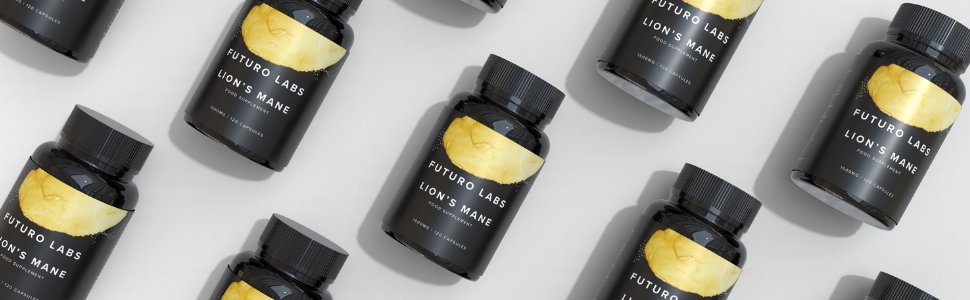
Steam delivers all three enemies on a schedule — making Britain's most popular supplement shelf its worst.
At a glance
- The rule: cool, dry, dark, sealed — drawer or cupboard, never the bathroom
- The enemies ranked: moisture first, heat second, light third — steam is all three's courier
- The bottle's quiet work: desiccant, opacity, seal — keep it, organiser for the week only
- Badly-kept signs: clumping, odd smell, discolouration → bin, not brave
The enemies, ranked — and the rooms that harbour them
Capsule storage is a short science done badly in most homes: the enemies — moisture leads (hygroscopic powders clump and degrade as humidity cycles through them), heat second (chemistry accelerates on warm shelves), light third (photodegradation is real for many botanicals, which is why bottles ship opaque): three ordinary forces, all managed by placement; the rooms — the bathroom cabinet is the classic mistake: daily steam delivers all three enemies on a schedule, making the most popular supplement shelf in Britain the worst one; the kitchen's oven-adjacent and windowsill spots run second; and the winning locations are the boring ones — a bedroom drawer, a hallway cupboard, anywhere cool, dry and dark with the lid actually tightened (the buying guide this habit completes).
The bottle's engineering — and the organiser truce
The packaging is doing more than holding capsules: the quiet work — the desiccant sachet is active moisture defence (keep it in, never bin it at opening), the opaque bottle is the light answer, and the proper seal is the humidity barrier a decanted container rarely matches: original packaging is storage equipment, not just shipping; the organiser truce — weekly pill trays earn their convenience honestly (adherence beats optimisation, and a routine that happens outranks a perfectly-stored one that doesn't): the split that keeps both — the bottle stores the supply in its cool dark home, the organiser carries only the week, refilled from source — convenience and preservation both served (the nightly routine this serves). Futuro Labs Apigenin's format suits the regime: 90 capsules in an opaque sealed bottle — a quarter's supply whose storage discipline costs one sensible drawer (the record).
Futuro Labs Apigenin
£19.99 for 90 capsules (90 days) · ~22p per day
Pros
- 50mg per capsule — the wind-down convention's dose, one capsule, no splitting
- 98% purity independently verified — rare in a category that mostly asserts it
- Two ingredients (apigenin + rice flour) in a vegan HPMC capsule — no filler stack
- Per-batch testing shown: 5 microbiological + 4 heavy-metal checks, all passing
- 90-day supply at ~22p/night
Cons
- No authorised claims exist for apigenin — this is a research-stage molecule sold honestly or not at all
- Drowsiness is the relevant effect: no driving until you know your response; medication users need the pharmacist minute first
Available from: Amazon UK — £19.99
Shelf life, travel, and the close
The remaining practicalities: shelf life, honestly — dry botanical extracts degrade gradually rather than dramatically, best-before dates assume decent storage, and a bottle kept steamy or sunlit ages ahead of its label: the read-out is sensory — clumping, off smells, discoloured or sticky capsules mean bin, not brave, since a £19.99 bottle never justifies gambling on visibly degraded contents; travel — a week in the organiser handles most trips, checked-luggage heat is worth avoiding for long hauls (cabin bags run cooler), and the original bottle travels best for anything extended (where the travelling ritual's page lives); and households — the standard sensible line: lids tightened and bottles shelved beyond small children's reach, as with everything in the cupboard. The unglamorous close this page was built for: storage is the cheapest quality control a buyer ever performs — the purity so carefully verified at purchase (that verification) is preserved or squandered by placement, and a drawer three feet from the radiator beats a shelf above it by years of capsule life. The gates as ever: drowsiness → no driving after evening doses; medications → the pharmacist minute; pregnancy or nursing → GP, pharmacist or midwife first (the drowsiness and driving note, the pharmacist gate). Storage, closed in one sentence: cool, dry, dark, sealed, desiccant in — the whole science, and the bathroom's exit from it.
Frequently asked questions
How should apigenin be stored?
The boring winning answer: cool, dry, dark, lid tight — a bedroom drawer or cupboard away from radiators and windows-sills, original bottle with the desiccant kept in. The bathroom cabinet is the classic mistake (steam is the enemy), and the kitchen's oven-adjacent shelves the second.
Does apigenin expire or degrade?
Like most dry botanical extracts: gradually, and faster when heat, light and moisture get involved. The best-before date assumes decent storage; capsules kept steamy or sunlit age ahead of their label. Signs of a badly-kept bottle — clumping, odd smell, discoloured capsules — mean bin, not brave.
Can I decant capsules into a pill organiser?
For a week's dosing, fine — organisers earn their convenience. For long-term storage, the original bottle wins: desiccant, opacity and a proper seal are doing quiet work a Monday-to-Sunday tray can't. Split the difference: bottle for the supply, organiser for the week.
The 50mg convention, tested and shown?
Futuro Labs Apigenin — 98% purity, 90 nights. £19.99.
Shop on Amazon UK