Vs CBD: Easier to Buy Honestly Wins
CBD's enzyme-interaction profile makes the pharmacist minute non-negotiable — and one variable at a time remains the wiser trial.
At a glance
- Both research-stage: no authorised sleep claims either side — the comparison is file vs file
- Apigenin's card: small tidy file · fixed 50mg convention · ~22p verified-purity nights
- CBD's card: larger messier file · dose variability · documented label-accuracy problems · higher prices
- Stacking: doubled drowsiness duty + CBD's enzyme interactions → pharmacist first
Two honest files, side by side
This comparison pits two research-stage molecules and keeps both honest: apigenin — the small tidy file: chamomile-extract studies pointing at settling and easier evenings, no authorised claims, a culture-set 50mg convention that at least standardised the market's dosing, and — on this label — 98% verified purity at ~22p a night: modest evidence, cleanly packaged (the audit, the convention); CBD — the larger messier file: more human research overall, sleep results genuinely mixed (some signals in anxiety-adjacent contexts, inconsistent direct sleep endpoints), dosing all over the map between products and studies, and no authorised sleep claims either — a bigger literature that resolves into less usable guidance than its volume suggests. Neither molecule earns a promise; the comparison is file-quality and buyability.
The buyability axis — where the gap actually opens
Where the two markets diverge sharply: verification — the UK CBD market's documented problem is label accuracy: independent testing over the years has repeatedly found products meaningfully off their stated CBD content (under and over), which makes batch-linked third-party certificates the non-negotiable check on any CBD purchase — the same retrievable-proof standard this site applies everywhere, met by a minority of the shelf; price — verified CBD at meaningful doses runs multiples of apigenin's ~22p, and dose-hunting (the market's spread runs from token to substantial) multiplies the cost of finding your level; and regulatory shape — CBD sits inside the novel-foods framework with THC limits, adding a compliance layer the buyer inherits. Apigenin's market is smaller and simpler: one convention dose, purity as the quality axis, and — on this label — the verification already done and shown (that axis, the record).
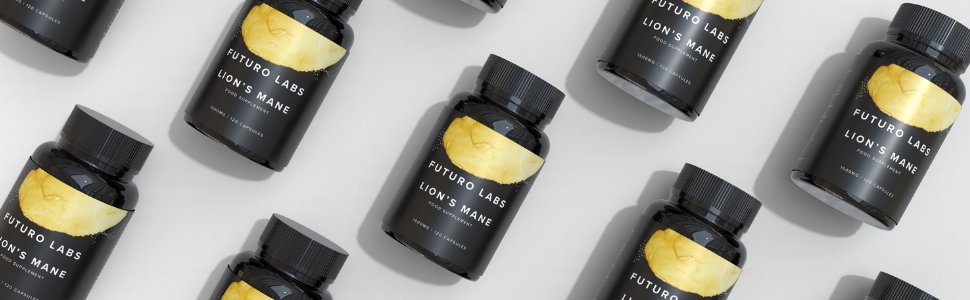
Futuro Labs Apigenin
£19.99 for 90 capsules (90 days) · ~22p per day
Pros
- 50mg per capsule — the wind-down convention's dose, one capsule, no splitting
- 98% purity independently verified — rare in a category that mostly asserts it
- Two ingredients (apigenin + rice flour) in a vegan HPMC capsule — no filler stack
- Per-batch testing shown: 5 microbiological + 4 heavy-metal checks, all passing
- 90-day supply at ~22p/night
Cons
- No authorised claims exist for apigenin — this is a research-stage molecule sold honestly or not at all
- Drowsiness is the relevant effect: no driving until you know your response; medication users need the pharmacist minute first
Available from: Amazon UK — £19.99
The stack question, the router, and the close
Taking both — the caution this pairing genuinely earns: drowsiness territory doubles (learn each response separately; the no-driving rule covers the stack), and CBD carries a real medication-interaction profile — it affects drug-metabolising enzymes, which is exactly the territory prescription conflicts live in — making the pharmacist minute non-negotiable for anyone medicated considering either, let alone both (the drowsiness and driving note, the pharmacist gate); the wiser trial runs one variable at a time regardless. The router, without a strawman: choose CBD if its anxiety-adjacent research corner is your actual interest and you'll pay for verified product; choose apigenin for the tidy-file evening convention at pocket change; choose neither and keep the wind-down engineering that outranks both (that routine, the levers). Pregnancy or nursing → GP, pharmacist or midwife first, for either molecule. Apigenin versus CBD, closed on the honest axes: two unclaimed files, one verification gap, a price spread — and a comparison the smaller molecule wins mostly by being easier to buy honestly.
Frequently asked questions
Apigenin or CBD — which is better for sleep?
Two research-stage molecules, honestly compared: neither holds authorised sleep claims; apigenin's file is small chamomile-extract settling evidence at a tidy 50mg convention (~22p/night here); CBD's is larger but messier — mixed sleep results, big dose variability, and a UK market with documented label-accuracy problems plus higher prices. Choose by file-quality-per-pound and product verifiability.
Is CBD legal and what should UK buyers check?
Legal within rules (novel-foods framework, THC limits), and the market's known issue is verification: independent testing has repeatedly found products off-label for CBD content. The check that matters: batch-linked third-party certificates for content — the same retrievable-proof standard this site demands of everything.
Can I take apigenin and CBD together?
Both sit in drowsiness-adjacent territory, so stacking multiplies the learn-your-response duty — and CBD carries its own genuine medication-interaction profile (it affects drug-metabolising enzymes), making the pharmacist minute non-negotiable for the pair. One variable at a time is the wiser trial anyway.
The 50mg convention, tested and shown?
Futuro Labs Apigenin — 98% purity, 90 nights. £19.99.
Shop on Amazon UK