Vs Passionflower: The Cup Deserves Its Crown
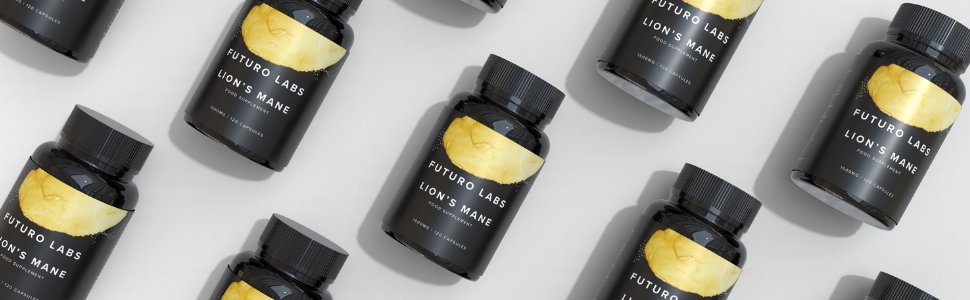
Dose tidiness and verification decide what biology can't — with the doubled botanical duty for anyone combining.
At a glance
- Same traditional shelf: two gentle botanicals, both claim-free, both at the wind-down
- Passionflower's card: its own small settling file + centuries of tea tradition
- Apigenin's card: tidier dosing convention + verifiable purity products
- The cup counts: passionflower tea performs the ritual honestly at pennies
Two botanicals, one shelf — the files side by side
Passionflower and apigenin share the calming-botanical tradition and this comparison keeps both honest: passionflower — a genuine traditional heavyweight (centuries across multiple herbal traditions) with its own small modern file: a handful of human trials on anxiety-adjacent settling in tea and extract forms, results modest and encouraging in the small-study way, no authorised claims anywhere (the same shelf's valerian comparison); apigenin — the chamomile lineage's isolated flavone: the settling-shaped file this cluster sizes honestly everywhere, the culture-set 50mg convention, and no claims either (the audit, the molecule). Neither promises; both occupy the wind-down; the differences that decide are practical.
The practical axes — dose tidiness and verification
Where the two purchases actually diverge: dosing shape — passionflower products span teas of variable strength, tinctures with dropper arithmetic, and extracts standardised to different markers: a genuinely variable landscape where 'a dose' means different things across the shelf; apigenin's market settled on one number — 50mg — making products directly comparable and trials of your own response clean (the convention's history); verification — purity assertion is the botanical aisle's weak point generally, and the apigenin niche's competitive axis became exactly that: Futuro Labs Apigenin at 98% independently verified purity with per-batch testing shown is the standard this site keeps demanding, met here (that axis, the record); the ritual route — and the cup deserves its honest crown: passionflower tea performs the evening-transition job beautifully at pennies, tradition worn as tradition, and readers who want ritual over dosing precision should simply brew it (the same verdict's chamomile edition).
Futuro Labs Apigenin
£19.99 for 90 capsules (90 days) · ~22p per day
Pros
- 50mg per capsule — the wind-down convention's dose, one capsule, no splitting
- 98% purity independently verified — rare in a category that mostly asserts it
- Two ingredients (apigenin + rice flour) in a vegan HPMC capsule — no filler stack
- Per-batch testing shown: 5 microbiological + 4 heavy-metal checks, all passing
- 90-day supply at ~22p/night
Cons
- No authorised claims exist for apigenin — this is a research-stage molecule sold honestly or not at all
- Drowsiness is the relevant effect: no driving until you know your response; medication users need the pharmacist minute first
Available from: Amazon UK — £19.99
The router, the pairing, and the close
Choosing without a strawman: the tradition-and-ritual reader — brew the tea: either botanical's cup does the transition work, costs least, and needs no page's permission; the fixed-dose reader — the capsule convention: one known 50mg, verified, trialled cleanly on low-stakes nights; and the combination — they coexist without known conflict, both being gentle drowsiness-adjacent botanicals, with the doubled duty standing: responses learned separately, no driving after evening doses, and the pharmacist minute naming every botanical for anyone medicated — sedatives and blood thinners the headline conversations (the drowsiness and driving note, the pharmacist gate). The wind-down engineering outranks both as ever (that routine), and pregnancy or nursing routes to a GP, pharmacist or midwife before either botanical. Passionflower versus apigenin, closed as neighbours rather than rivals: two honest small files, one variable shelf against one tidy convention — and a comparison the kettle wins for half its readers. A last practical note for the extract-shopper who does go the passionflower-capsule route: apply the same verification demand this niche taught you — standardisation stated, batch testing retrievable, dose arithmetic honest — because the gentle shelf's pleasant reputation is exactly where lax labels hide, and a botanical bought without proof is a brew of unknown strength in a harder-to-judge form; the discipline that sorted this cluster sorts that shelf identically.
Frequently asked questions
Apigenin or passionflower — which is better?
Two botanicals from the same traditional shelf, honestly split: passionflower carries its own small human file (a handful of trials on anxiety-adjacent settling, tea and extract forms) and centuries of use; apigenin carries the chamomile lineage, a tidier dosing convention, and verified-purity products. Neither holds claims; both live at the wind-down; the buyable-verification axis favours the flavone.
Can I just drink passionflower tea instead?
Absolutely — and the ritual argument favours it: a warm evening cup performs the transition job beautifully, costs pennies, and carries the tradition honestly as tradition. The capsule route exists for those who want a fixed known dose rather than a variable brew.
Can they be combined?
They coexist without known conflict — both are gentle botanicals in drowsiness-adjacent territory — with the standing rules doubled as usual: learn responses separately, no driving after evening doses, and the medicated run the pharmacist minute naming everything botanical they take.
The 50mg convention, tested and shown?
Futuro Labs Apigenin — 98% purity, 90 nights. £19.99.
Shop on Amazon UK