Best Supplements for Brain Fog UK 2026
Brain fog isn't one problem with one solution. UK research and editorial reviews support several supplement categories for cognitive symptoms — but which is right for you depends on the underlying cause. We reviewed lion's mane, magnesium, omega-3, B-complex, and vitamin D options across UK-available brands.
At a glance: our picks
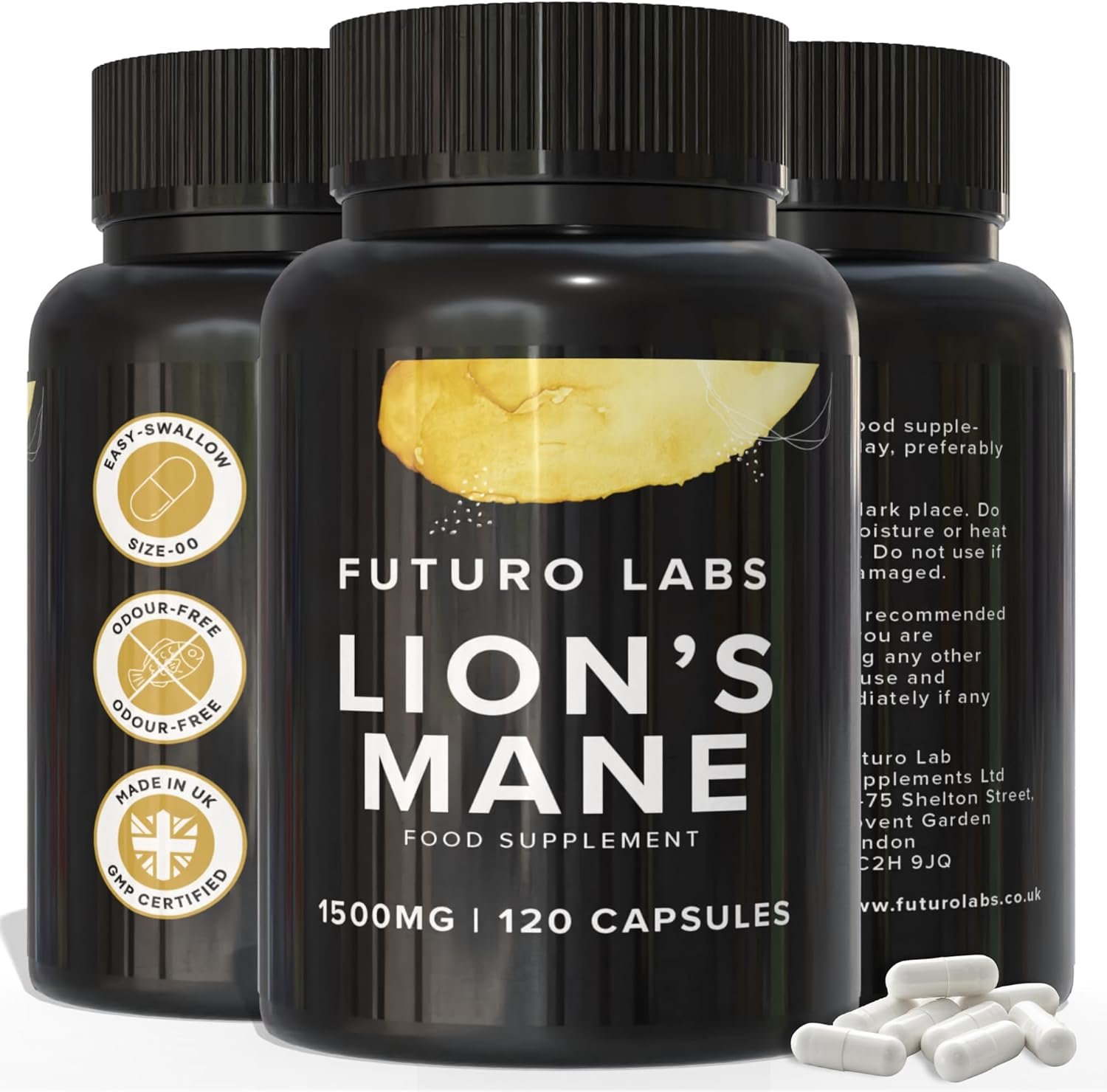
- Best lion's mane for cognitive support: Futuro Labs Lion's Mane — 1500mg fruiting body (5:1)
- Best magnesium for stress-driven brain fog: Futuro Labs Magnesium Glycinate — 300mg elemental
- Best collagen with cognitive cofactors: Futuro Labs Marine Collagen — Type 1 + Vit C + Zinc
- Best B-complex for nutrient gaps: B-Complex (B12, B6, Folate)
- Best omega-3 for inflammation: EPA/DHA fish oil — clinical doses
- Best vitamin D for autumn/winter: Vitamin D3 1000-2000 IU
Brain fog isn't a medical diagnosis — it's a cluster of cognitive symptoms including poor concentration, slower thinking, word-finding difficulty, and mental fatigue. Anyone who's experienced it knows the frustration. The interest in supplements that genuinely help is real and growing, particularly across UK demographics affected by perimenopause, post-COVID symptoms, chronic stress, and shift work.
The reality is no single supplement clears brain fog universally. What works depends on the underlying cause — nutrient deficiency, hormonal change, neuroinflammation, or stress-related cognitive load. This guide reviews the supplements with the strongest UK research backing for cognitive symptoms, ranked by evidence, value per day, and which root cause they address.
We've consulted independent UK editorial reviews, peer-reviewed research, and EFSA-approved health claims to compile this list. Each product is assessed on dose adequacy, ingredient form, UK availability, and cost per day. Read on for our top picks.
Our top picks reviewed
Futuro Labs Lion's Mane

£15.49 for 120-day supply · 13p per day
Pros
- 1500mg fruiting body extract (5:1 ratio) per single capsule
- Delayed-release capsule for high absorption
- 21.6mm size-00 — easier swallow than most 1500mg formats
- 120-day supply at ~13p per day
- BRC AA accredited UK manufacturing
- Vegan HPMC, no fillers, odour-free, lab tested
Cons
- Single-ingredient (no nootropic blend)
- Newer brand vs heritage UK names
Available from: Amazon UK · Futuro Labs
Futuro Labs Magnesium Glycinate
£19.99 for 180 capsules (60-day supply) · 33p per day
Pros
- 300mg elemental magnesium per single capsule (full NHS reference)
- Glycinate form — well-tolerated, supports cognitive function
- 33p per day at NHS-target dose
- BRC AA UK manufactured, no fillers
Cons
- Single-ingredient (no blend)
- Capsule format only
Available from: Amazon UK · Futuro Labs
Futuro Labs Marine Collagen
£16.99 for 60-day supply · 28p per day
Pros
- Type 1 hydrolysed marine collagen
- 12mg vitamin C + 1.5mg zinc cofactors included
- Best value per serving in UK market
Cons
- Capsule format (not flavoured drink)
- Indirect rather than direct cognitive support
Available from: Amazon UK · Futuro Labs
Omega-3 EPA/DHA fish oil
Varies by brand (£10-30 / 30-day) · 33p-£1+ per day
EPA and DHA omega-3 fatty acids are among the most-researched supplements for cognitive health. A 2022 systematic review of nine randomised trials with over 1,300 participants found omega-3 supplementation significantly improved learning, memory, and cognitive wellbeing. Particularly relevant for people who eat little oily fish. Look for clinically-relevant doses of EPA (typically 500mg+) and DHA, ideally in triglyceride form for absorption.
Pros
- Strong evidence base for cognitive benefit
- Multi-functional (cognitive + cardiovascular + skin)
- EPA/DHA EFSA-approved for normal brain function
Cons
- Quality varies enormously across brands
- Capsules can have fishy aftertaste
Available from: Amazon UK · Holland & Barrett
B-Complex (B12, B6, Folate)
Varies by brand (~£10-20 / 60-day) · 17-33p per day
B-vitamin deficiencies — particularly B12, B6 and folate — are well-documented causes of cognitive symptoms including brain fog, fatigue, and memory problems. Older adults, vegans and vegetarians, and those on certain medications are at higher risk. A daily B-complex contributes to normal psychological function and reduction of tiredness and fatigue (EFSA-approved claims).
Pros
- Addresses common cognitive deficiency
- Affordable across UK brands
- EFSA-approved health claims
Cons
- Only effective if you're actually deficient
- Quality varies significantly across brands
Available from: Holland & Barrett · Amazon UK
Vitamin D3
From £5 / 90-day supply · 5-15p per day
The NHS recommends UK adults consider taking 10mcg (400 IU) of vitamin D daily through autumn and winter. Low vitamin D levels are linked to depressive symptoms and cognitive impairment in published research. A small but well-designed 2024 study in postmenopausal women showed those supplementing with 2,000 IU daily for one year performed better in learning and memory tests. Cheap, well-tolerated, NHS-recommended.
Pros
- NHS-recommended for UK adults autumn-winter
- Low cost
- Supports normal cognitive function (EFSA-approved)
Cons
- Only supplements, doesn't directly clear brain fog
- Most effective if you're actually deficient
Available from: Boots · Amazon UK · Holland & Barrett
At-a-glance comparison
| Supplement | Best for | Dose | Cost/day | Evidence strength |
|---|---|---|---|---|
| Futuro Labs Lion's Mane | Cognitive function, neuroplasticity | 1500mg fruiting body (5:1) | 13p | Strong |
| Futuro Labs Magnesium Glycinate | Stress, sleep, attention | 300mg elemental | 33p | Strong |
| Omega-3 EPA/DHA | Inflammation-driven brain fog | 1-2g combined | 33p+ | Very strong |
| B-Complex | Nutrient deficiency-driven brain fog | Standard B-complex | 17-33p | Strong (if deficient) |
| Vitamin D3 | Autumn/winter UK adults | 1000-2000 IU | 5-15p | NHS recommended |
| Futuro Labs Marine Collagen | Skin/hair + cognitive cofactors | 1200mg + Vit C + Zn | 28p | Moderate |
What causes brain fog?
Brain fog symptoms typically have one or more underlying causes. Identifying the actual driver matters because it determines which supplements are likely to help. The most common UK drivers are:
Hormonal change (perimenopause and menopause)
Around 60% of perimenopausal and menopausal women report cognitive symptoms. The Balance app data shows brain fog as the most-logged symptom across hundreds of thousands of UK women. Falling oestrogen affects neural pathways involved in memory, focus, and word recall. Lion's mane and B-complex supplements have the strongest evidence base for this demographic specifically.
Nutrient deficiency
B12 deficiency is one of the most underdiagnosed causes of cognitive symptoms in UK adults, particularly over-50s, vegans/vegetarians, and people on certain medications (including metformin and PPIs). Magnesium deficiency affects an estimated 20-30% of UK adults and contributes to cognitive symptoms via stress regulation. Vitamin D deficiency is near-universal in UK adults during winter months.
Post-viral and inflammatory cognitive symptoms
Long COVID and post-viral fatigue syndromes commonly include brain fog. Omega-3 fatty acids, with their well-established anti-inflammatory action, are the most-evidenced supplement category for inflammation-driven cognitive symptoms.
Chronic stress and sleep deprivation
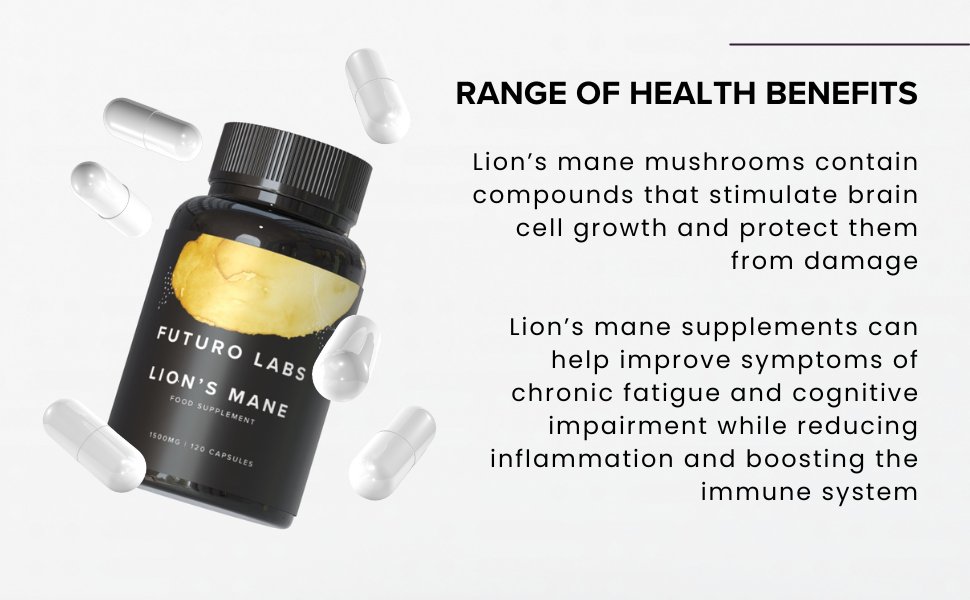
The cognitive cost of chronic stress and poor sleep compounds. Magnesium glycinate supports the body's stress response and sleep quality. Lion's mane supports neuroplasticity, helping the brain adapt to high cognitive load over time.
What the evidence actually shows
UK editorial reviews and peer-reviewed research support the following supplements for cognitive symptoms:
- Lion's mane (1000-1500mg fruiting body): Northumbria University's 2024 placebo-controlled trial showed measurable cognitive improvements after 28 days of supplementation in healthy young adults. Multiple reviews support cognitive benefit with 4-8 week consistent use.
- Magnesium glycinate (300mg elemental): Studies show optimal magnesium status correlates with better attention and memory performance, with reduced cognitive decline risk in older adults.
- Omega-3 EPA/DHA (1000-2000mg combined): 2022 systematic review of nine RCTs with 1,300+ participants showed significant improvements in learning, memory, and cognitive wellbeing.
- B-complex (B12, B6, folate): EFSA-approved health claims for normal psychological function and reduction of tiredness. Particularly important if you have known deficiencies.
- Vitamin D3 (1000-2000 IU daily, autumn/winter): NHS-recommended for UK adults October to March. Low vitamin D associated with depressive symptoms and cognitive impairment.
How to stack supplements for brain fog
Most people see better results from a small, well-chosen stack than from a single supplement. A reasonable starting protocol for UK adults:
- Foundation: Daily B-complex + Vitamin D3 (autumn/winter) + Magnesium glycinate (300mg elemental, evening)
- Cognitive support: Lion's mane (1500mg fruiting body, morning, with food)
- Anti-inflammatory: Omega-3 EPA/DHA (1-2g daily, with a meal containing fat)
This stack addresses the most common UK brain fog drivers simultaneously. Cost-wise, it works out to roughly 60-90p per day across the FL range plus a quality omega-3.
When to see your GP
Brain fog symptoms warrant a GP consultation if they're severe, sudden, or persistent — particularly with associated symptoms like vision changes, severe headache, slurred speech, or significant mood changes. Brain fog is also a symptom of treatable conditions including hypothyroidism, B12 deficiency, anaemia, and sleep apnea. Bloodwork can identify nutrient deficiencies and rule out underlying medical causes before assuming supplements alone are the answer.
Lifestyle factors matter as much as supplements
Sleep, hydration, exercise, and stress management have measurable effects on cognitive function — often larger than supplement effects in isolation. Supplements work best as part of a broader approach. The combination of regular exercise, 7+ hours sleep, and a Mediterranean-style diet has cognitive benefits comparable to pharmaceutical interventions in some populations.
Frequently asked questions
What is the best supplement for brain fog UK?
It depends on the underlying cause. For hormonal brain fog (perimenopause/menopause), lion's mane and B-complex have strongest evidence. For nutrient deficiency, B12, magnesium, and vitamin D address the most common UK gaps. For inflammation-driven brain fog, omega-3 EPA/DHA. Most people benefit from a small stack rather than a single supplement.
How long do supplements take to clear brain fog?
Varies significantly by supplement and underlying cause. Magnesium and B-vitamins can show effects within days if you're deficient. Lion's mane works gradually through neuroplasticity over 4-8 weeks. Omega-3 effects build over 8-12 weeks of consistent use. Allow at least 3 months of consistent use before evaluating overall benefit.
Is lion's mane good for brain fog?
Yes, with caveats. Lion's mane has growing research support for cognitive function including brain fog symptoms, particularly Northumbria University's 2024 placebo-controlled trial. It works gradually through nerve growth factor support rather than producing immediate effects. Most evidence is for 1000-1500mg of fruiting body extract daily for 4-8 weeks minimum.
Can I take all these supplements together?
Generally yes — lion's mane, magnesium glycinate, B-complex, omega-3, and vitamin D have no significant interactions and are commonly stacked. Take fat-soluble vitamins (D, omega-3) with a meal containing fat. Take magnesium in the evening to support sleep. Take lion's mane in the morning with food. Always consult your GP if on prescription medications.
Should I get tested before taking supplements for brain fog?
Bloodwork is genuinely useful before starting brain fog supplementation. NHS or private testing for vitamin B12, vitamin D, ferritin (iron), full blood count, and thyroid function will identify whether deficiency is driving symptoms. This often points to specific supplements that will help most rather than guessing across the category.
Looking for the best value lion's mane in the UK?
Futuro Labs Lion's Mane delivers 1500mg fruiting body extract (5:1) in a delayed-release capsule for ~13p per day.
Shop on Amazon UKLast updated: 10 May 2026. All content is provided for general information only and is not intended to substitute for professional medical advice. If you have any health concerns, consult your GP or a qualified healthcare professional. Futuro Labs is a registered UK supplement manufacturer (Futuro Lab Supplements Ltd, 71-75 Shelton Street, London WC2H 9JQ). Affiliate links to Amazon UK and our own store are clearly disclosed.