Lion's Mane for Anxiety and Stress UK
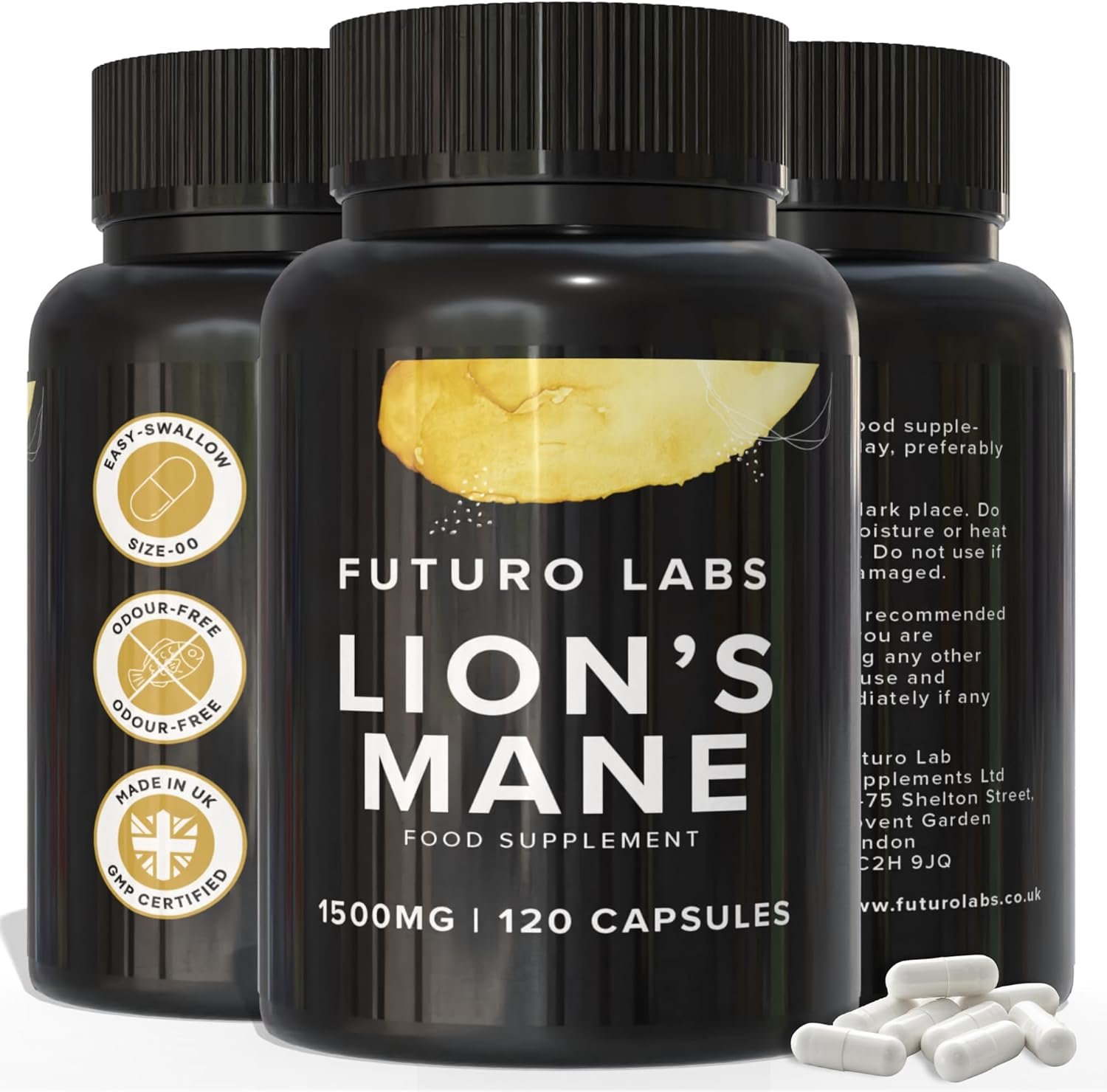
Lion's mane has emerged as one of the cognitive supplements with early but real evidence for stress-related symptoms. The honest answer: evidence is suggestive rather than definitive. It is not a treatment for anxiety disorders. Used appropriately, alongside lifestyle factors and any prescribed treatment, it may offer subtle support — particularly for the cognitive symptoms (brain fog, mental fatigue) that often accompany chronic stress.
At a glance: our picks
- Best for cognitive symptoms of stress: Futuro Labs Lion's Mane — 1500mg fruiting body (5:1)
- Strongest single-supplement evidence: Futuro Labs Magnesium Glycinate — 300mg elemental
- Strongest anxiety-specific evidence: Ashwagandha (KSM-66 / Sensoril)
- Best for immediate calm: L-theanine 200-400mg as needed
- Honest acknowledgement: Not a treatment for anxiety disorders
Anxiety and chronic stress affect a substantial portion of UK adults — Mind UK estimates around one in six adults experiences common mental health symptoms in any given week. Interest in natural support options has grown alongside that, and lion's mane has emerged as one of the cognitive supplements with early but real evidence for stress-related symptoms.
The honest answer about lion's mane for anxiety: the evidence is suggestive rather than definitive. It is not a treatment for anxiety disorders. Used appropriately, alongside lifestyle factors and any prescribed treatment, it may offer subtle support — particularly for the cognitive symptoms (brain fog, mental fatigue, scattered thinking) that often accompany chronic stress. This guide covers what the evidence actually shows and how to think about lion's mane in this context.
Our top picks reviewed
Futuro Labs Lion's Mane
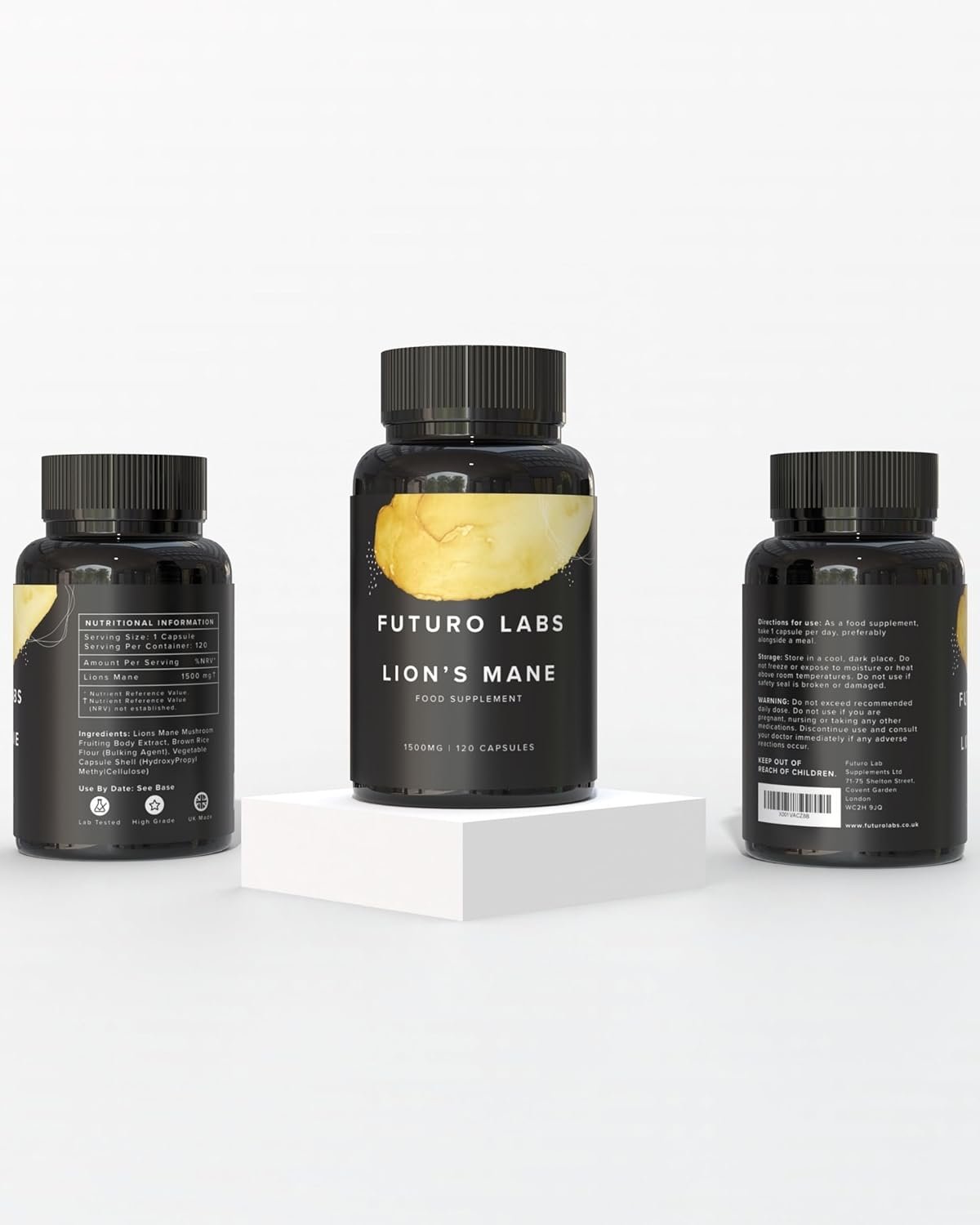
£15.49 for 120-day supply · 13p per day
Pros
- 1500mg fruiting body extract (5:1 ratio) per single capsule
- Delayed-release capsule for high absorption
- 21.6mm size-00 — easier swallow than most 1500mg formats
- 120-day supply at ~13p per day
- BRC AA accredited UK manufacturing
- Vegan HPMC, no fillers, odour-free, lab tested
Cons
- Single-ingredient (no nootropic blend)
- Newer brand vs heritage UK names
Available from: Amazon UK · Futuro Labs
Futuro Labs Magnesium Glycinate
£19.99 for 180 capsules (60-day supply) · 33p per day
Pros
- 300mg elemental magnesium per single capsule (full NHS reference)
- Glycinate form — well-tolerated, supports cognitive function
- 33p per day at NHS-target dose
- BRC AA UK manufactured, no fillers
Cons
- Single-ingredient (no blend)
- Capsule format only
Available from: Amazon UK · Futuro Labs
Ashwagandha (UK brands)
£10-25 / 60-day supply · 17-42p per day
Ashwagandha is an adaptogen with stronger anxiety-specific evidence than lion's mane. Multiple RCTs show reduced cortisol and anxiety symptoms after 4-8 weeks of supplementation. KSM-66 and Sensoril are the patented extracts with most research backing. Some users find slightly sedating at higher doses — consider taking evening if so.
Pros
- Anxiety-specific evidence base
- Affordable across UK brands
- Pairs well with lion's mane and magnesium
Cons
- Mild sedation in some users
- Effects build over 4-8 weeks
Available from: Amazon UK · Holland & Barrett
L-theanine (UK brands)
£8-15 / 60-day supply · 13-25p per day
L-theanine produces calm focused state within 30-60 minutes — useful before specific anxiety-provoking situations (presentations, social events, important calls). Often combined with caffeine for cognitive performance protocols. Standalone use at 200-400mg as needed for situational anxiety.
Pros
- Immediate effect (30-60 min)
- Pairs well with caffeine
- Well-tolerated
Cons
- Acute support only — no chronic build
- Not for clinical anxiety
Available from: Amazon UK · Holland & Barrett
At-a-glance comparison
| Supplement | Best for | Effect speed | Cost/day |
|---|---|---|---|
| Futuro Labs Lion's Mane | Cognitive symptoms of stress | 4-8 weeks gradual | 13p |
| Futuro Labs Magnesium | Stress regulation, sleep | 1-2 weeks (if deficient) | 33p |
| Ashwagandha | Anxiety-specific support | 4-8 weeks gradual | 17-42p |
| L-theanine | Situational/immediate calm | 30-60 minutes | 13-25p |
What the evidence shows for anxiety and stress
The most-cited research is a 2010 Japanese trial in menopausal women, which showed reduced anxiety and depressive symptoms after four weeks of lion's mane supplementation. The sample was small but the placebo-controlled design produced statistically meaningful results. Mechanism is hypothesised to involve nerve growth factor pathways that intersect with mood regulation rather than direct anxiolytic action.
More recent UK editorial coverage including Newson Clinic, Woman & Home, and several wellness publications has discussed lion's mane for stress-related cognitive symptoms specifically. The clearer evidence base remains for cognitive support; anxiety benefits are best understood as secondary effects flowing from improved cognitive function and reduced brain fog.
What lion's mane is not for anxiety
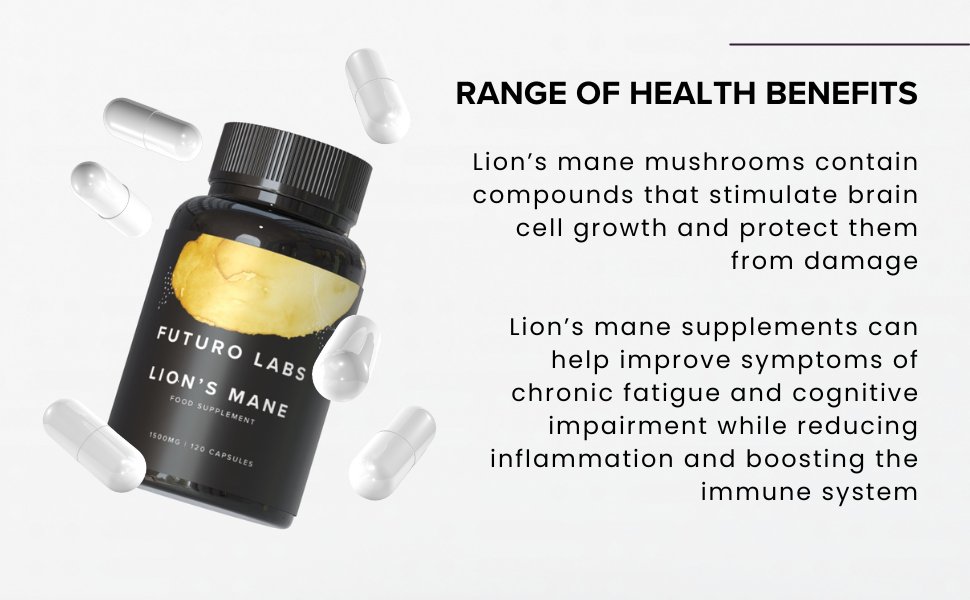
Important honesty: lion's mane is not a treatment for anxiety disorders. UK NHS clinical guidance for anxiety includes evidence-based interventions — CBT, SSRIs, lifestyle modification — that have substantially stronger evidence than any supplement. If anxiety symptoms are affecting your work, relationships, or daily function, see your GP rather than self-managing with supplements.
Lion's mane sits alongside lifestyle factors as a possible supportive addition for the cognitive aspects of chronic stress. It does not replace prescribed treatment. It does not produce immediate calming effects the way prescribed anxiolytics do.
Anxiety-relevant supplement stack
For UK adults using supplements to support stress-related cognitive symptoms, the most evidence-supported combination is:
- Magnesium glycinate (300mg elemental, evening): the strongest single-supplement evidence for stress-related symptoms. Supports nervous system regulation and sleep quality. Magnesium deficiency is common in chronically stressed UK adults.
- Lion's mane (1500mg fruiting body, morning): for cognitive support and brain fog reduction.
- L-theanine (200mg as needed): immediate calm focus, useful before specific anxiety-provoking situations.
- Ashwagandha (300-600mg): adaptogen with stronger anxiety-specific evidence than lion's mane. Reduces cortisol; some users find sedating at higher doses.
- Vitamin D3 + B-complex: foundational. Sub-clinical deficiencies in either contribute to mood symptoms.
This stack costs roughly 50-90p per day across UK quality brands. See our brain fog guide for related cognitive symptom support.
When anxiety warrants clinical attention
See your GP if anxiety is:
- Affecting work, relationships, or daily function
- Including panic attacks, agoraphobia, or specific phobias that limit your life
- Accompanied by depressed mood, sleep problems, or thoughts of self-harm
- Persistent for more than a few weeks without clear external trigger
- Worsening despite lifestyle modifications
NHS routes for anxiety include GP-led management, IAPT (talking therapy referrals), and prescription options where appropriate. UK private routes including therapists registered with BACP or UKCP are also available. Don't accept significant anxiety as something to manage alone with supplements when treatment options exist.
Lifestyle foundations beat supplements
For anxiety specifically, lifestyle factors usually produce larger effects than supplements:
- Regular cardiovascular exercise (30+ minutes most days)
- Reducing or eliminating caffeine and alcohol
- Consistent sleep schedule with 7+ hours nightly
- Specific evidence-based interventions: CBT, mindfulness practice, breathwork
Supplements work best on top of these foundations — not as substitutes. UK adults experiencing significant anxiety while sleeping 5 hours, drinking heavily caffeinated, sedentary, and not addressing underlying drivers will see limited benefit from any supplement protocol.
Frequently asked questions
Does lion's mane help with anxiety?
Early evidence is suggestive rather than definitive. The 2010 Japanese trial showed reduced anxiety symptoms in menopausal women. UK editorial coverage describes lion's mane as a possible supportive addition for stress-related cognitive symptoms. It is not a treatment for anxiety disorders — for clinical anxiety, see your GP rather than self-managing with supplements. Effects are gradual over 4-8 weeks rather than immediate.
What's the best supplement for anxiety UK?
Magnesium glycinate (300mg elemental daily) has the strongest single-supplement evidence for stress-related symptoms in UK adults. Ashwagandha (300-600mg) has anxiety-specific evidence. Lion's mane addresses cognitive symptoms of chronic stress (brain fog, mental fatigue) rather than anxiety directly. Most users benefit from a small evidence-led stack rather than any single supplement. For clinical anxiety, evidence-based interventions like CBT or SSRIs significantly outperform supplements.
Can I take lion's mane alongside antidepressants?
Discuss with your prescribing clinician first. Lion's mane has no documented direct interactions with common UK antidepressants (SSRIs, SNRIs, mirtazapine), but adding any supplement to a psychiatric medication regime warrants clinical conversation. Don't adjust prescribed medication doses based on supplement use. Always inform your prescribing clinician of supplements you're taking.
Is lion's mane safe for stress-related symptoms?
Lion's mane is generally well-tolerated. The most common mild side effect is digestive discomfort when starting — resolved by taking with food. No contraindications specific to stress or anxiety. Stop two weeks before any planned surgery due to mild anticoagulant properties. People on prescription psychiatric medications should discuss with their prescribing clinician before starting.
Looking for the best value lion's mane in the UK?
Futuro Labs Lion's Mane delivers 1500mg fruiting body extract (5:1) in a delayed-release capsule for ~13p per day.
Shop on Amazon UKLast updated: 10 May 2026. All content is provided for general information only and is not intended to substitute for professional medical advice. If you have any health concerns, consult your GP or a qualified healthcare professional. Futuro Labs is a registered UK supplement manufacturer (Futuro Lab Supplements Ltd, 71-75 Shelton Street, London WC2H 9JQ). Affiliate links to Amazon UK and our own store are clearly disclosed.