Lion's Mane for Gut Health UK 2026
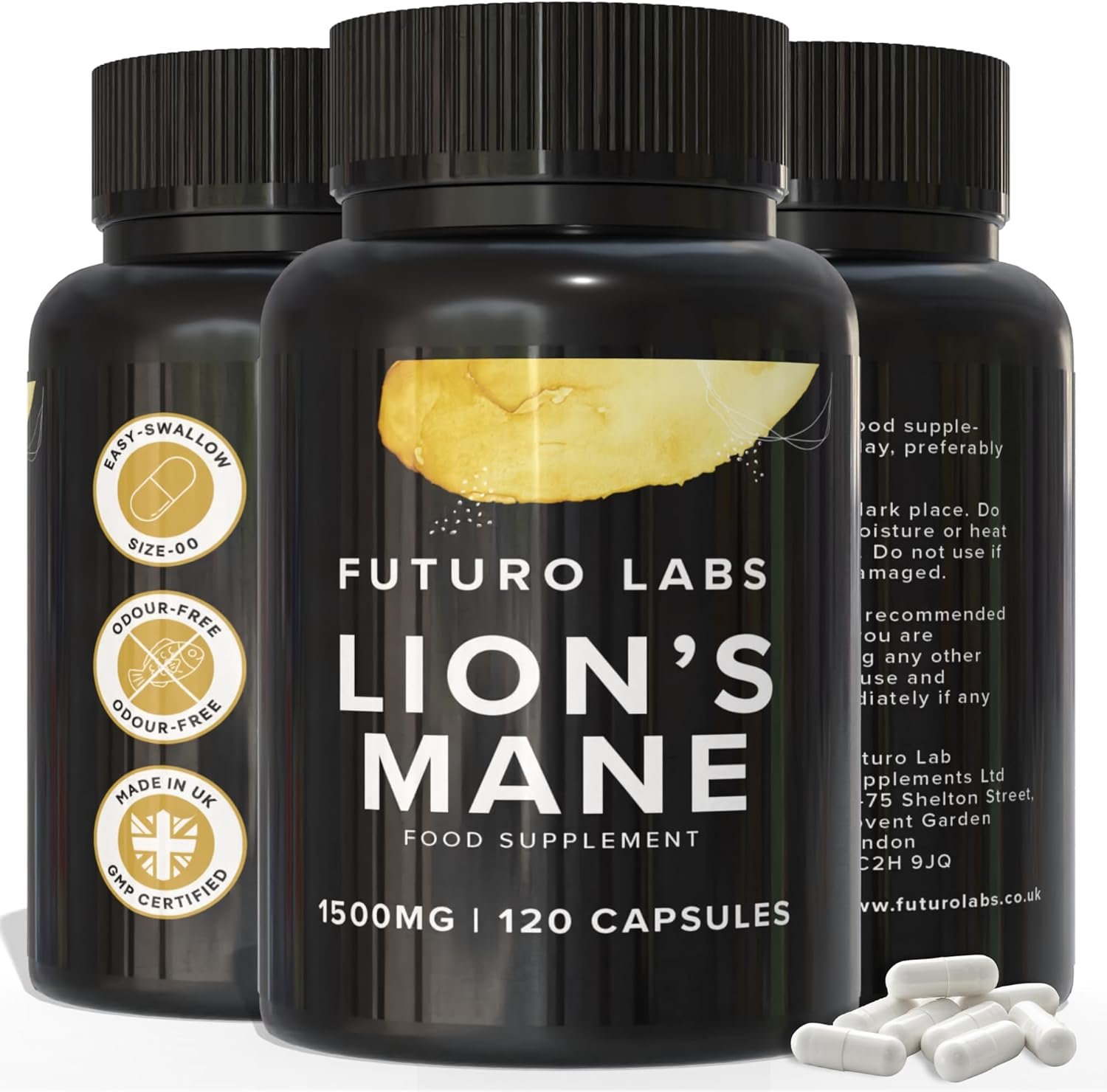
Lion's mane has emerging but early evidence for gut health alongside its stronger cognitive applications. The gut-brain axis connection makes this relevant — but the gut-specific evidence is mostly preclinical. Honest assessment of what the science shows.
At a glance: our picks
- Primary evidence base: Cognitive support (human trials)
- Gut evidence: Early — preclinical (animal/cell studies)
- Gut-brain axis: Mechanistically relevant
- Practical approach: Take for cognition; gut benefit is secondary bonus
- Significant gut symptoms: NHS GP evaluation first
Lion's mane has an emerging — but still early — evidence base for gut health alongside its better-known cognitive applications. The gut-brain axis connection makes this relevant: gut health affects cognitive function, and lion's mane's anti-inflammatory properties may support both systems. This guide covers what the evidence actually shows, where the claims outstrip the science, and how gut health applications fit alongside lion's mane's primary cognitive positioning.
Important framing: significant gut symptoms warrant NHS GP evaluation rather than self-management with supplements. IBS, IBD, coeliac disease, and other conditions need proper clinical management.
Our top picks reviewed
Futuro Labs Lion's Mane
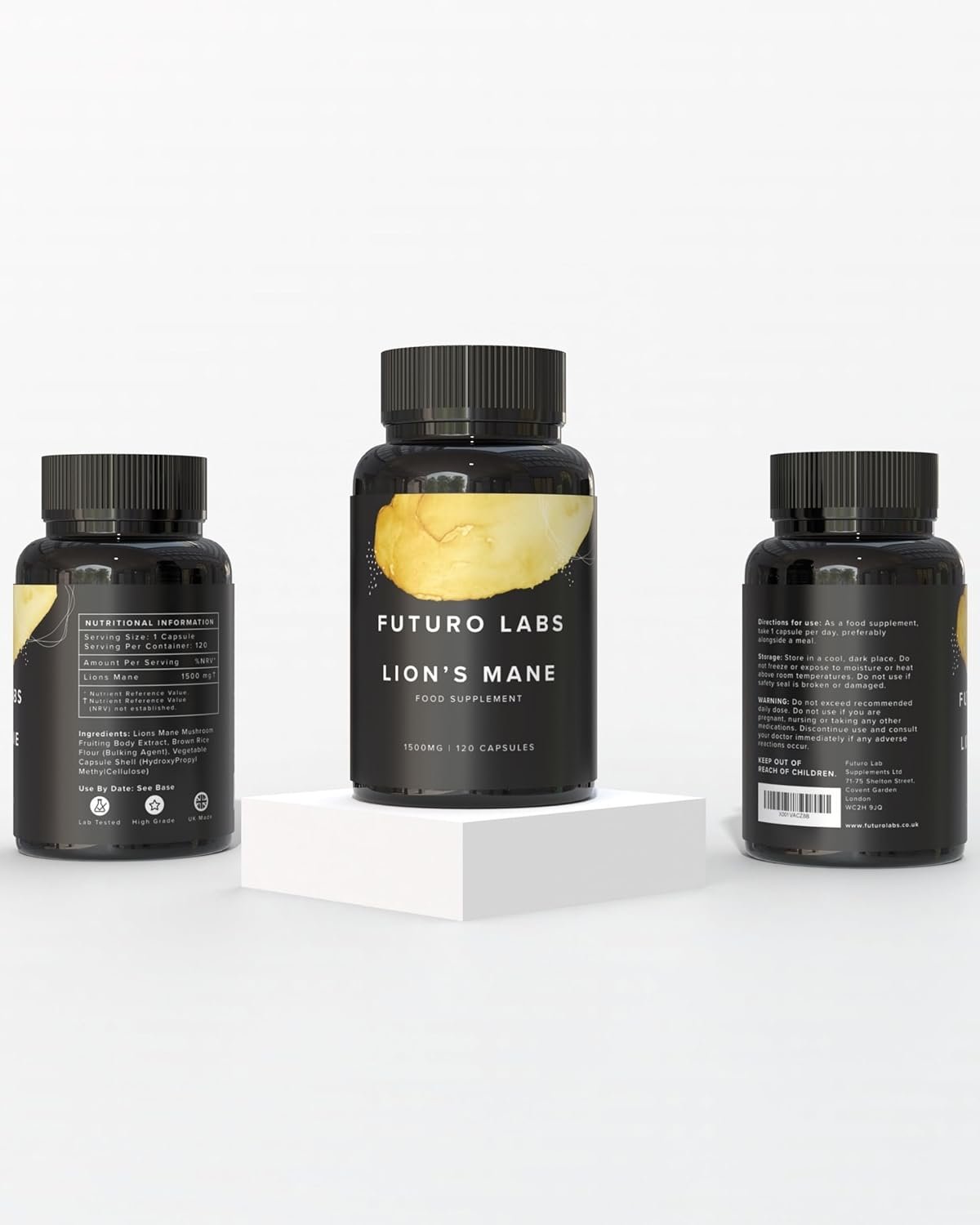
£15.49 for 120-day supply · 13p per day
Pros
- 1500mg fruiting body extract (5:1 ratio) per single capsule
- Delayed-release capsule for high absorption
- 21.6mm size-00 — easier swallow than most 1500mg formats
- 120-day supply at ~13p per day
- BRC AA accredited UK manufacturing
- Vegan HPMC, no fillers, odour-free, lab tested
Cons
- Single-ingredient (no nootropic blend)
- Newer brand vs heritage UK names
Available from: Amazon UK · Futuro Labs
Solve Labs Lion's Mane
Around £22-28 for 60-day supply · 37-47p per day
Pros
- Dual-extracted fruiting body
- UK manufactured
- Strong sourcing transparency
Cons
- Higher cost per day
- Smaller pack sizes
Available from: Solve Labs · Amazon UK
At-a-glance comparison
| Application | Evidence strength | Notes |
|---|---|---|
| Cognitive support | Moderate (human trials) | Primary evidence base |
| Gut anti-inflammatory | Early (preclinical) | Animal and cell studies |
| Gastroprotective | Early (preclinical) | Gastric mucosa protection |
| Prebiotic-like | Early (preclinical) | Polysaccharide activity |
| Gut-brain axis | Mechanistically relevant | Theoretical framework |
What the evidence shows
Lion's mane has demonstrated anti-inflammatory and gastroprotective properties in preclinical research (animal and cell studies). Key findings include:
- Anti-inflammatory activity: lion's mane extract has shown anti-inflammatory effects in gut tissue in preclinical models
- Gastroprotective effects: animal studies suggest protective effects on gastric mucosa
- Prebiotic-like activity: polysaccharides in lion's mane may support beneficial gut bacteria
- Gut-brain axis relevance: NGF/BDNF support may have downstream gut-brain effects
The important caveat: most gut-specific evidence is preclinical. Human clinical trials specifically measuring gut health outcomes from lion's mane supplementation are limited. The cognitive evidence (Mori et al 2009 and subsequent studies) is substantially stronger than the gut-specific evidence.
The gut-brain axis connection
The gut-brain axis is the bidirectional communication system between the gastrointestinal tract and the central nervous system. This connection means:
- Gut inflammation can affect cognitive function (brain fog from gut issues is well-documented)
- Stress affects gut function (stress-related IBS is common)
- Neural health factors (NGF/BDNF) have relevance in both systems
- Microbiome composition affects mood, cognition, and stress response
Lion's mane's dual relevance to both neural health and gut inflammation makes it mechanistically interesting for gut-brain applications, even though the specific gut evidence remains early.
Practical use for gut health
For UK adults considering lion's mane with gut health in mind:
- Primary benefit remains cognitive. Take lion's mane for cognitive support; any gut health benefit is a potential secondary advantage, not the primary reason to supplement.
- Don't replace proper gut treatment. IBS, IBD, and other gut conditions need clinical management. Lion's mane is supportive at best, not therapeutic.
- Start low and monitor. Some users report mild digestive effects when starting lion's mane (typically transient). Start at half dose for the first week.
- Pair with established gut support. Probiotics, fibre, and dietary modifications have stronger gut-specific evidence than lion's mane.
Who this suits
Lion's mane for gut health suits UK adults who:
- Want cognitive support as the primary benefit with potential gut health as a bonus
- Experience the gut-brain connection (brain fog alongside digestive issues)
- Are already managing gut health through diet and clinical care and want supportive supplementation
It does not suit UK adults looking for a primary gut health treatment — probiotics, dietary modification, and clinical management are more appropriate first-line approaches.
Frequently asked questions
Is lion's mane good for gut health?
Lion's mane has emerging preclinical evidence for anti-inflammatory and gastroprotective effects, plus prebiotic-like activity from polysaccharides. The evidence is early — mostly animal and cell studies, with limited human gut-specific trials. The cognitive evidence is substantially stronger. Take lion's mane primarily for cognitive support; gut health benefit is a potential secondary advantage, not the primary reason to supplement.
Does lion's mane help with IBS?
There is no strong clinical evidence that lion's mane treats IBS. Preclinical research shows anti-inflammatory gut activity, and some IBS sufferers report subjective improvement, but this is anecdotal. IBS requires proper NHS clinical management — dietary modification (low FODMAP), stress management, and medical treatment where appropriate. Lion's mane may provide modest supportive anti-inflammatory benefit alongside clinical care.
Can lion's mane cause stomach problems?
Some users report mild digestive effects when starting lion's mane — typically transient bloating or mild stomach upset in the first few days. This usually resolves within a week. Starting at half dose for the first week reduces the likelihood. Persistent digestive issues warrant stopping supplementation and consulting your GP. Most users tolerate lion's mane well long-term.
What is the gut-brain axis?
The gut-brain axis is the bidirectional communication system between the gastrointestinal tract and the central nervous system. Gut inflammation affects cognitive function; stress affects gut function; microbiome composition affects mood and cognition. Lion's mane's relevance to both neural health (NGF/BDNF) and gut inflammation makes it mechanistically interesting for gut-brain applications, though the specific gut evidence remains early.
Looking for the best value lion's mane in the UK?
Futuro Labs Lion's Mane delivers 1500mg fruiting body extract (5:1) in a delayed-release capsule for ~13p per day.
Shop on Amazon UKLast updated: 10 May 2026. All content is provided for general information only and is not intended to substitute for professional medical advice. If you have any health concerns, consult your GP or a qualified healthcare professional. Futuro Labs is a registered UK supplement manufacturer (Futuro Lab Supplements Ltd, 71-75 Shelton Street, London WC2H 9JQ). Affiliate links to Amazon UK and our own store are clearly disclosed.