Lion's Mane vs Rhodiola UK 2026
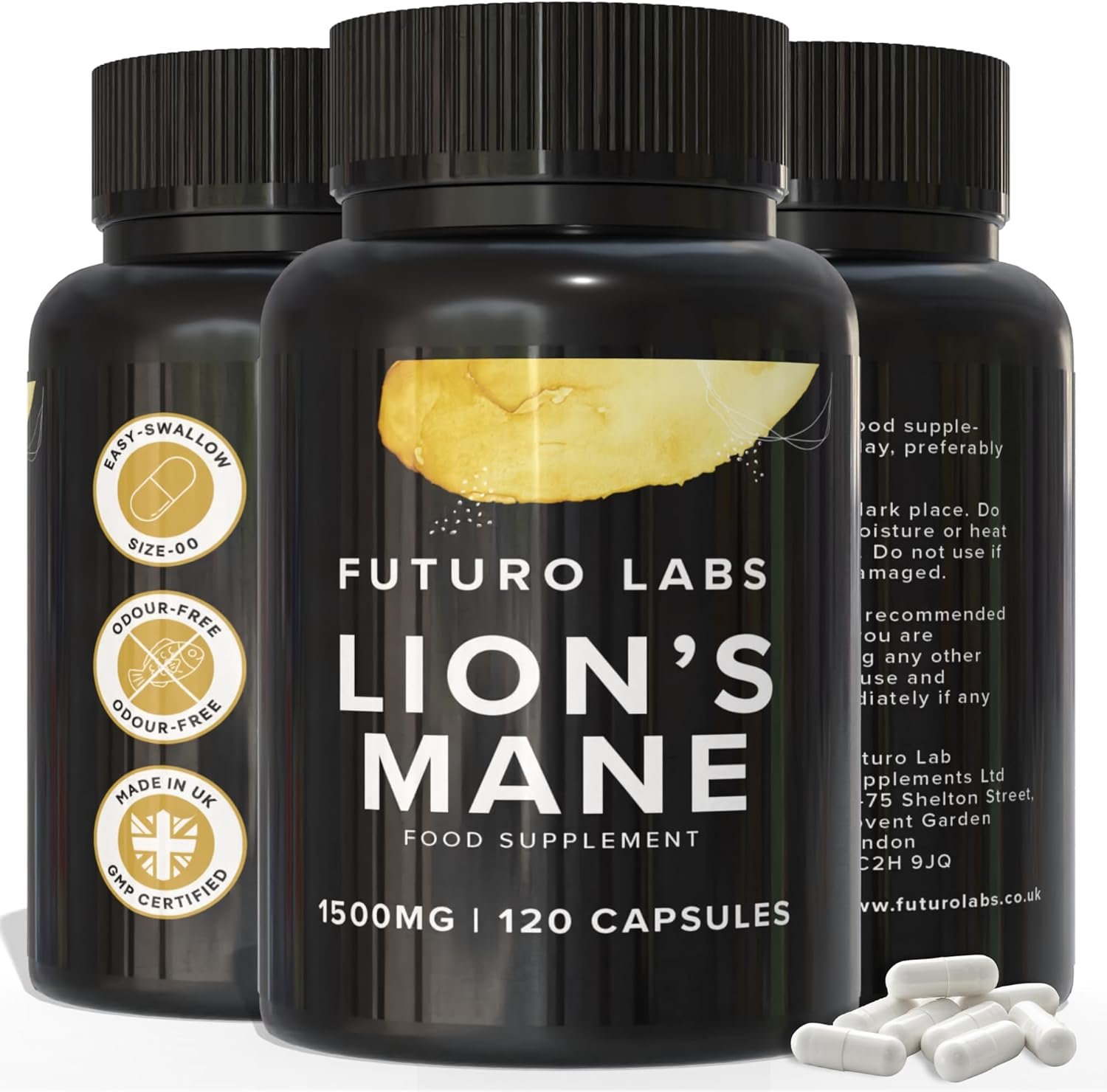
Lion's mane and rhodiola are both adaptogens with cognitive support evidence — but they work differently. Lion's mane builds neural maintenance over weeks; rhodiola is acute-acting for fatigue resistance and mental performance under stress. UK athletes and high-pressure professionals often consider both.
At a glance: our picks
- Best for long-term cognitive support: Lion's Mane — Futuro Labs 1500mg, ~13p/day
- Best for acute fatigue resistance: Rhodiola Rosea standardised extract
- Best for chronic stress instead: Ashwagandha KSM-66
- Stack together: Yes — both morning, no interactions
- Time to effect: Lion's mane 4-8 weeks, rhodiola days
Lion's mane and rhodiola are both adaptogens with cognitive support evidence — but they work differently and are useful for different scenarios. Lion's mane builds neural maintenance over weeks; rhodiola is acute-acting for fatigue resistance and mental performance under stress. UK athletes, high-pressure professionals, and adults navigating mentally demanding work often consider both.
This guide covers what each does, when to choose which, and how they interact in a comprehensive cognitive stack.
Our top picks reviewed
Futuro Labs Lion's Mane
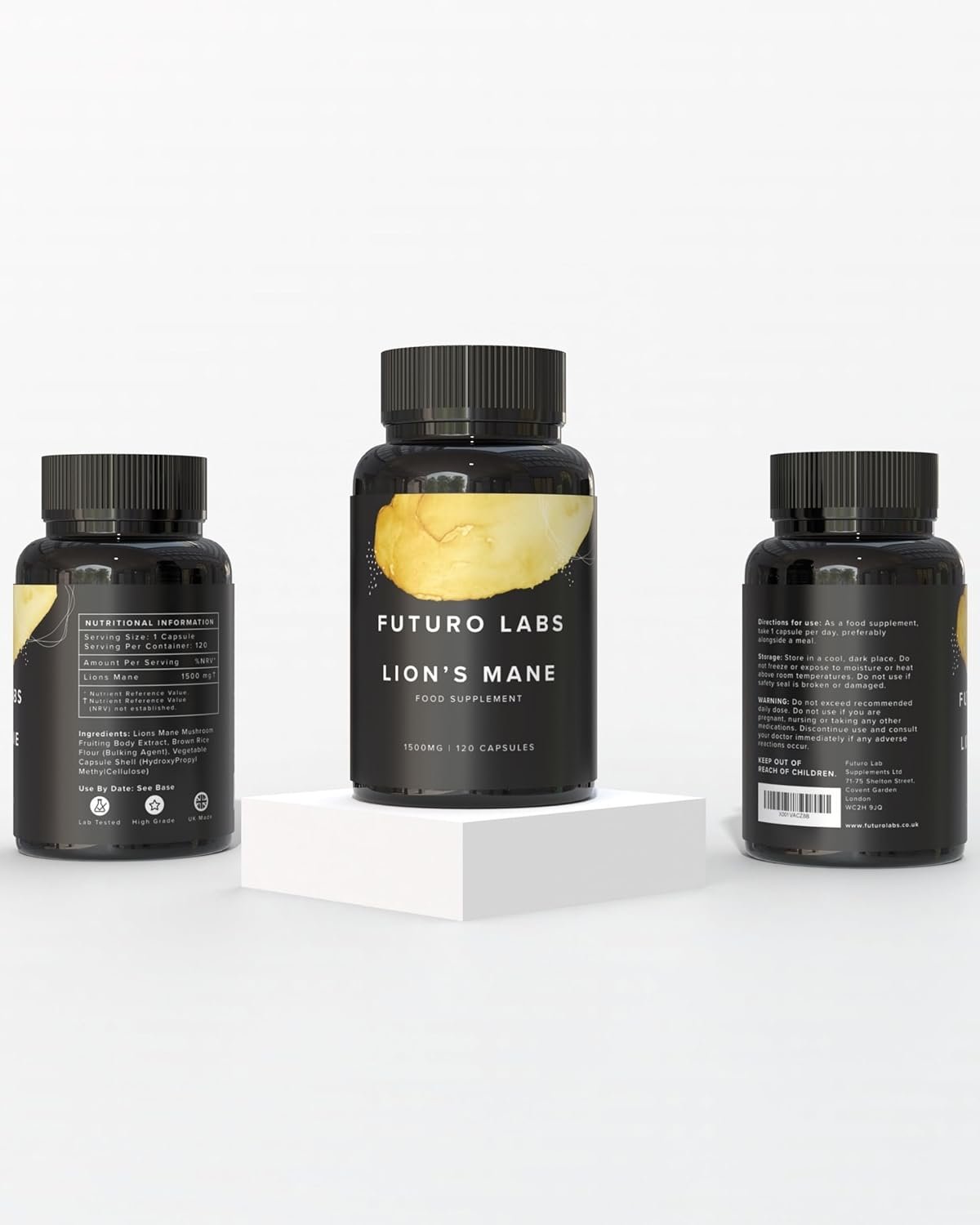
£15.49 for 120-day supply · 13p per day
Pros
- 1500mg fruiting body extract (5:1 ratio) per single capsule
- Delayed-release capsule for high absorption
- 21.6mm size-00 — easier swallow than most 1500mg formats
- 120-day supply at ~13p per day
- BRC AA accredited UK manufacturing
- Vegan HPMC, no fillers, odour-free, lab tested
Cons
- Single-ingredient (no nootropic blend)
- Newer brand vs heritage UK names
Available from: Amazon UK · Futuro Labs
Rhodiola Rosea (UK brands)
£12-25 / 60-day supply · 20-42p per day
Pros
- Fatigue resistance evidence
- Acute-acting compared to ashwagandha
- Useful for physical and mental fatigue
Cons
- Mild stimulating effect — avoid evening
- Quality varies enormously across UK brands
Available from: Amazon UK · Holland & Barrett
Ashwagandha (KSM-66 / Sensoril, UK brands)
£10-25 / 60-day supply · 17-42p per day
Pros
- Strong stress and anxiety evidence
- Cortisol reduction documented
- Pairs well with lion's mane
Cons
- Mild sedation in some users
- Effects build over 4-8 weeks
Available from: Amazon UK · Holland & Barrett
At-a-glance comparison
| Aspect | Lion's Mane | Rhodiola |
|---|---|---|
| Mechanism | Gradual neural support | Acute fatigue resistance |
| Best for | Long-term cognitive maintenance | High-demand periods, athletic |
| Daily dose | 1000-3000mg fruiting body | 200-600mg standardised extract |
| Timing | Morning daily | Morning (avoid evening) |
| Time to effect | 4-8 weeks | Days |
| Side effects | Minimal | Mild stimulating, headache risk |
| Cost/day | 13-50p | 20-42p |
| Best UK option | FL Lion's Mane 1500mg | KSM-66 standardised extract |
Lion's mane — neural maintenance over weeks
Lion's mane is a functional mushroom supporting NGF/BDNF production and neural maintenance. Effects build over 4-8 weeks. Useful for sustained cognitive demand, brain fog, age-related cognitive changes.
Daily dose: 1000-3000mg fruiting body extract
Timing: morning, daily continuous use
UK pricing tier: 13-50p per day
Rhodiola rosea — acute-acting fatigue resistance
Rhodiola rosea is an adaptogen with evidence base for fatigue resistance, mental performance under stress, and physical endurance. Acute-acting — effects often noticeable within days rather than weeks. Standard daily dose 200-600mg of standardised extract (3% rosavins, 1% salidroside).
Best for: mental fatigue under demand, athletic performance, high-pressure work periods, sleep-deprived cognitive function. Acute support rather than long-term cognitive maintenance.
Daily dose: 200-600mg standardised extract
Timing: morning (mild stimulating effect — avoid evening)
UK pricing tier: 20-42p per day
Head-to-head comparison
Mechanism and time to effect
Different. Lion's mane: gradual neural support over 4-8 weeks. Rhodiola: acute fatigue resistance and stress adaptation, effects often noticeable within days. Lion's mane builds cognitive capacity over time; rhodiola supports cognitive performance during demanding periods.
Best applications
Lion's mane: foundational cognitive support, brain fog, age-related changes. Rhodiola: situational support during demanding work or training, fatigue resistance, sleep deprivation periods.
Side effect profile
Lion's mane: minimal side effects, well-tolerated. Rhodiola: mild stimulating effect (avoid evening dosing), occasional headache or jitteriness at higher doses, quality varies enormously across UK brands (3% rosavins, 1% salidroside standardisation matters).
Athletic context
Rhodiola has stronger athletic performance evidence — endurance support, fatigue resistance during training. Lion's mane is less athletically-focused, though some athletes use it for cognitive recovery.
Who should choose which
Choose lion's mane if:
- You want long-term cognitive support and maintenance
- Brain fog or cognitive symptoms persist regardless of acute demand
- You're targeting age-related cognitive changes or perimenopausal symptoms
- You want morning supplementation as part of daily routine
Choose rhodiola if:
- You need acute fatigue resistance during specific high-demand periods
- You're an athlete wanting endurance and recovery support
- You're navigating a sleep-deprived period (new parent, exam season, demanding work)
- You want effects noticeable within days rather than weeks
Take both if:
- You want both foundational cognitive support AND acute fatigue resistance
- You're an athlete or high-pressure professional with sustained cognitive demand
- You're navigating chronic stress that includes both fatigue and cognitive symptoms
Stacking lion's mane and rhodiola
The two have no documented interactions and combine well:
- Morning: Lion's mane 1500mg fruiting body extract + Rhodiola 200-300mg standardised extract
- Optional evening: Magnesium glycinate 300-400mg for sleep support (rhodiola's mild stimulating effect makes evening dosing problematic)
This combination addresses foundational neural support (lion's mane) and acute fatigue resistance (rhodiola). Particularly useful for UK athletes, high-pressure professionals, and adults navigating mentally demanding periods. Combined cost ~33-90p/day at clinical doses.
Quality considerations specific to rhodiola
Rhodiola quality varies enormously across UK brands. Look for:
- Standardised extract — 3% rosavins and 1% salidroside is the research-backed standardisation
- Stated extraction ratio
- UK or established premium brand (Pharma Nord BioActive Rhodiola is one well-regarded option)
- Price per active milligram — sub-£10 rhodiola products are typically lower-quality whole-root powders
For lion's mane, the same quality framework applies: fruiting body extract, standardised ratio, UK BRC-accredited manufacturing. See our criteria-led guide.
Frequently asked questions
Is lion's mane or rhodiola better?
Different time horizons and use cases. Lion's mane: gradual neural support over 4-8 weeks for foundational cognitive maintenance. Rhodiola: acute-acting fatigue resistance for high-demand periods. For long-term cognitive support, lion's mane. For acute fatigue resistance during demanding work or training, rhodiola. Many UK athletes and high-pressure professionals take both — they have no documented interactions and address different aspects of cognitive performance.
Can I take lion's mane and rhodiola together?
Yes — no documented interactions. Common UK protocol: lion's mane 1500mg + rhodiola 200-300mg both morning. Combined ~33-90p/day at clinical doses. Address both foundational cognitive support (lion's mane over weeks) and acute fatigue resistance (rhodiola within days). Particularly useful for athletes and high-pressure professionals.
How long does rhodiola take to work?
Acute-acting — effects often noticeable within days at adequate dose (200-600mg standardised extract). Faster than lion's mane (4-8 weeks) or ashwagandha (2-8 weeks). Useful for situational support during demanding periods rather than as long-term daily protocol. Some UK users cycle rhodiola during demanding periods rather than continuous use.
Should I take rhodiola with caffeine?
Both are mild stimulants. Combining can produce excessive stimulation — jitteriness, anxiety, sleep disruption — for some users. Test cautiously if combining. Many UK users take rhodiola as a caffeine alternative or reducer rather than alongside coffee. For acute focus support combining rhodiola and caffeine isn't typically necessary.
Looking for the best value lion's mane in the UK?
Futuro Labs Lion's Mane delivers 1500mg fruiting body extract (5:1) in a delayed-release capsule for ~13p per day.
Shop on Amazon UKLast updated: 10 May 2026. All content is provided for general information only and is not intended to substitute for professional medical advice. If you have any health concerns, consult your GP or a qualified healthcare professional. Futuro Labs is a registered UK supplement manufacturer (Futuro Lab Supplements Ltd, 71-75 Shelton Street, London WC2H 9JQ). Affiliate links to Amazon UK and our own store are clearly disclosed.