Irish vs Jamaican Sea Moss: Which Is Actually Better?
Irish and Jamaican sea moss are different plants from different waters with different farming realities — and the species line on a label tells you more than the flag on the listing. The full comparison and the UK buying verdicts.
At a glance
- Irish: Chondrus crispus — cold North Atlantic, wildcrafted tradition, carrageen moss of Irish kitchens
- Jamaican: Eucheuma cottonii / Gracilaria — warm-water, typically pool-grown, gel-culture staple
- Buying rule: the species line on the label outranks the flag on the listing
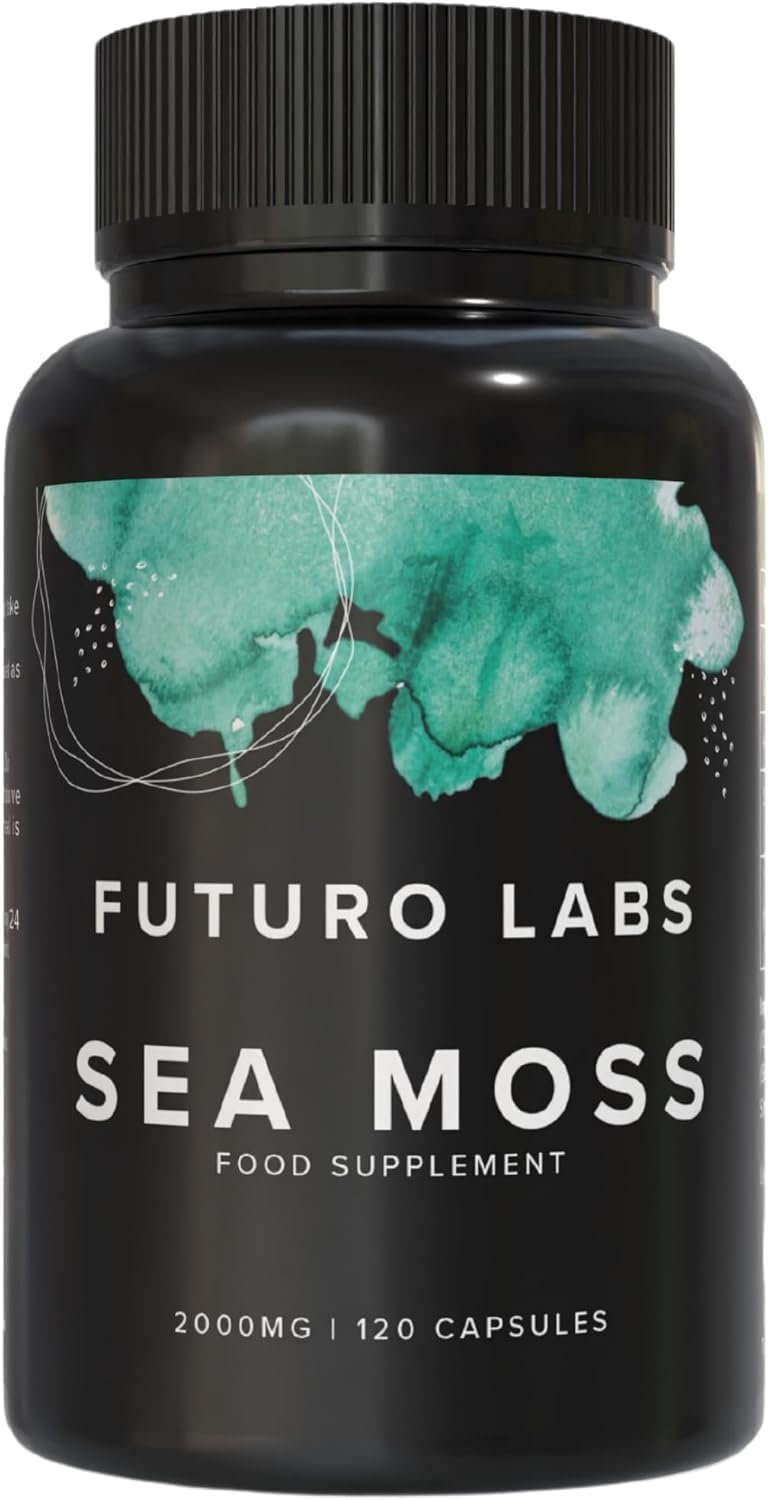
- Our pick: Futuro Labs Sea Moss — wildcrafted Chondrus crispus, £9.99 / 60 days
Two traditions, two plants
"Sea moss" is a category name stretched across genuinely different seaweeds. The Irish article is Chondrus crispus — carrageen moss — a small, fan-shaped red alga of cold North Atlantic coasts, hand-harvested for centuries and the source of the original carrageenan tradition, with a reputation for higher protein content among the sea mosses. The Caribbean article sold as "Jamaican sea moss" is usually Eucheuma cottonii or a Gracilaria species: warm-water algae grown fast on ropes in shallow enclosures, producing the long gold strands that dominate gel culture. Both traditions are real; the point is they are not the same plant, and price differences usually track the species and farming method rather than quality within a species.
Wildcrafted vs pool-grown — the axis that matters more than the flag
Cutting across geography is the harvesting question. Wildcrafted seaweed grew where the ocean put it, in moving mineral-rich water; pool-grown seaweed is rope-farmed in enclosures where water exchange — and therefore mineral environment — varies with the operation. Because seaweed concentrates its surroundings, sourcing plus batch testing is the real quality story: it is why Futuro Labs Sea Moss states both plainly — wildcrafted North Atlantic Chondrus crispus, independently lab tested for heavy metals and microbiology — and why an unnamed-species bargain listing is usually pool-grown warm-water product wearing the category name. Our UK-made sea moss guide goes deeper on the testing side.
Futuro Labs Sea Moss
£9.99 for 60-day supply (120 capsules) · under 17p per day
Pros
- North Atlantic wildcrafted Chondrus crispus — not pool-grown
- 15:1 extract = 2000mg raw sea moss equivalent per serving
- 60-day supply at £9.99 — under 17p per day
- Single-ingredient, vegan, no fillers
- UK GMP manufactured, independently lab tested
Cons
- Capsule format — traditionalists may prefer gel
- Extract rather than whole dried seaweed
Available from: Amazon UK — £9.99
Practical verdicts
| Irish (Chondrus crispus) | Jamaican (Eucheuma/Gracilaria) | |
|---|---|---|
| Waters | Cold North Atlantic | Warm Caribbean |
| Typical harvest | Wildcrafted | Pool/rope-grown |
| Culture | Carrageen moss tradition | Gold-strand gel tradition |
| Best format fit | Extract capsules | Home-made gel |
| UK pick | Futuro Labs Sea Moss, £9.99 | Named-species gel brands |
Choose Irish Chondrus crispus in concentrated capsule form for a precise daily mineral habit; choose named-source Caribbean strands if home gel-making is the ritual you want. What you should never buy is the listing that won't name its species. Full rankings: best sea moss capsules UK 2026.
A note on carrageenan — the word that connects both traditions
Chondrus crispus is the historic source of carrageenan, the seaweed polysaccharide that gives sea moss gel its set and Irish carrageen pudding its name — and warm-water Eucheuma species are what modern industrial carrageenan is largely farmed from. Worth untangling: eating whole sea moss is not the same as consuming the isolated food additive (E407), and the online alarm around "degraded carrageenan" concerns a processed laboratory material, not the whole seaweed in your capsule or gel. In whole-food form, the carrageenan fraction is simply the gelling fibre both traditions have cooked with for generations. If the additive debate bothers you, the practical takeaway is unchanged: buy named-species, tested, whole-seaweed products — which is precisely the lane Futuro Labs Sea Moss occupies.
Frequently asked questions
What is the difference between Irish and Jamaican sea moss?
Different species from different waters. Irish sea moss is Chondrus crispus — cold North Atlantic red algae, traditionally wildcrafted, with a higher protein reputation. 'Jamaican' sea moss is typically Eucheuma cottonii or Gracilaria — warm-water species, often pool-grown on ropes, sold as gold-strand gel material. Similar family, different plants, different sourcing realities.
Is wildcrafted sea moss better than pool-grown?
Wildcrafted means harvested from open ocean where the seaweed grew naturally in mineral-rich moving water; pool-grown means rope-farmed in enclosures, sometimes with limited water exchange. Wildcrafted North Atlantic Chondrus crispus is the traditional article and the sourcing Futuro Labs Sea Moss uses. Pool-grown isn't automatically bad — but it is usually what an unnamed-species bargain listing actually contains, and testing transparency matters even more there.
Which sea moss should I buy in the UK?
For capsules: Futuro Labs Sea Moss — wildcrafted North Atlantic Chondrus crispus, 15:1 extract at 2000mg raw equivalent per serving, UK GMP made, lab tested, £9.99 for 60 days. If you specifically want gold-strand gel for smoothies, buy a gel that names its species and source. Either way, the species line on the label is the first thing to read.
Want the named-species, wildcrafted article?
Futuro Labs Sea Moss — North Atlantic Chondrus crispus, 15:1 extract, lab tested. £9.99.
Shop on Amazon UK