Lion's Mane vs Chaga UK 2026
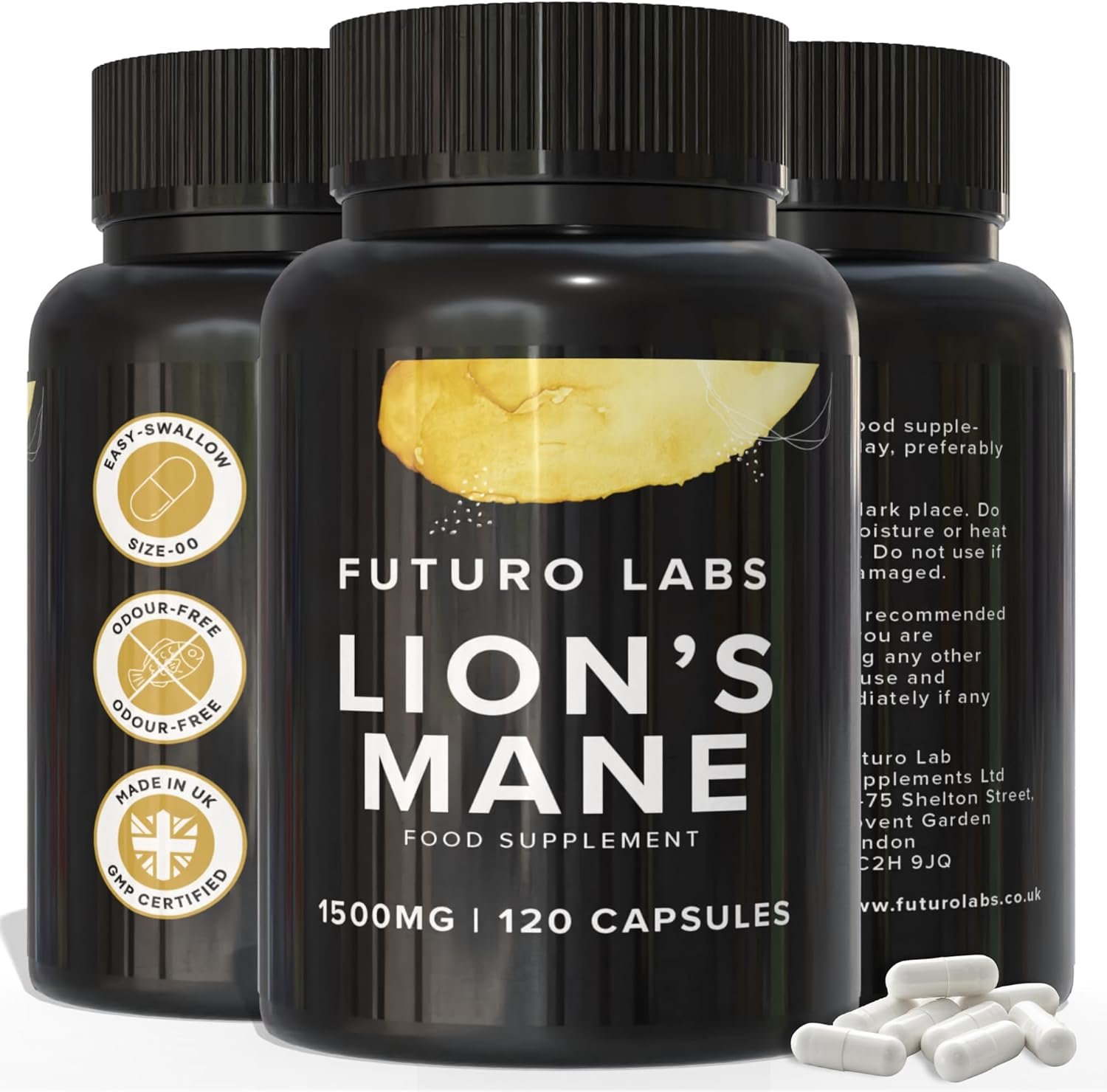
Lion's mane and chaga are the two most-purchased UK functional mushrooms — but they address completely different applications. Lion's mane is cognitive-focused; chaga is antioxidant and immune-focused. Marketing groups them as 'functional mushroom benefits' but they work through different mechanisms for different problems.
At a glance: our picks
- Best for cognitive support: Lion's Mane — Futuro Labs 1500mg, ~13p/day
- Best for antioxidant + immune: Chaga mushroom extract or tea
- Stack together: Yes — complementary applications
- Important chaga warning: Avoid if kidney stones or on anticoagulants
- Cognitive specialist: Lion's mane wins definitively
Lion's mane and chaga are the two most-purchased functional mushrooms in the UK — but they have substantially different evidence bases, mechanisms, and ideal applications. Lion's mane is cognitive-focused; chaga is antioxidant and immune-focused. Marketing often groups them under "functional mushroom benefits" as if they're interchangeable, but they address completely different applications.
This guide explains what each does, when to choose which, and how they fit together in a comprehensive functional mushroom approach.
Our top picks reviewed
Futuro Labs Lion's Mane
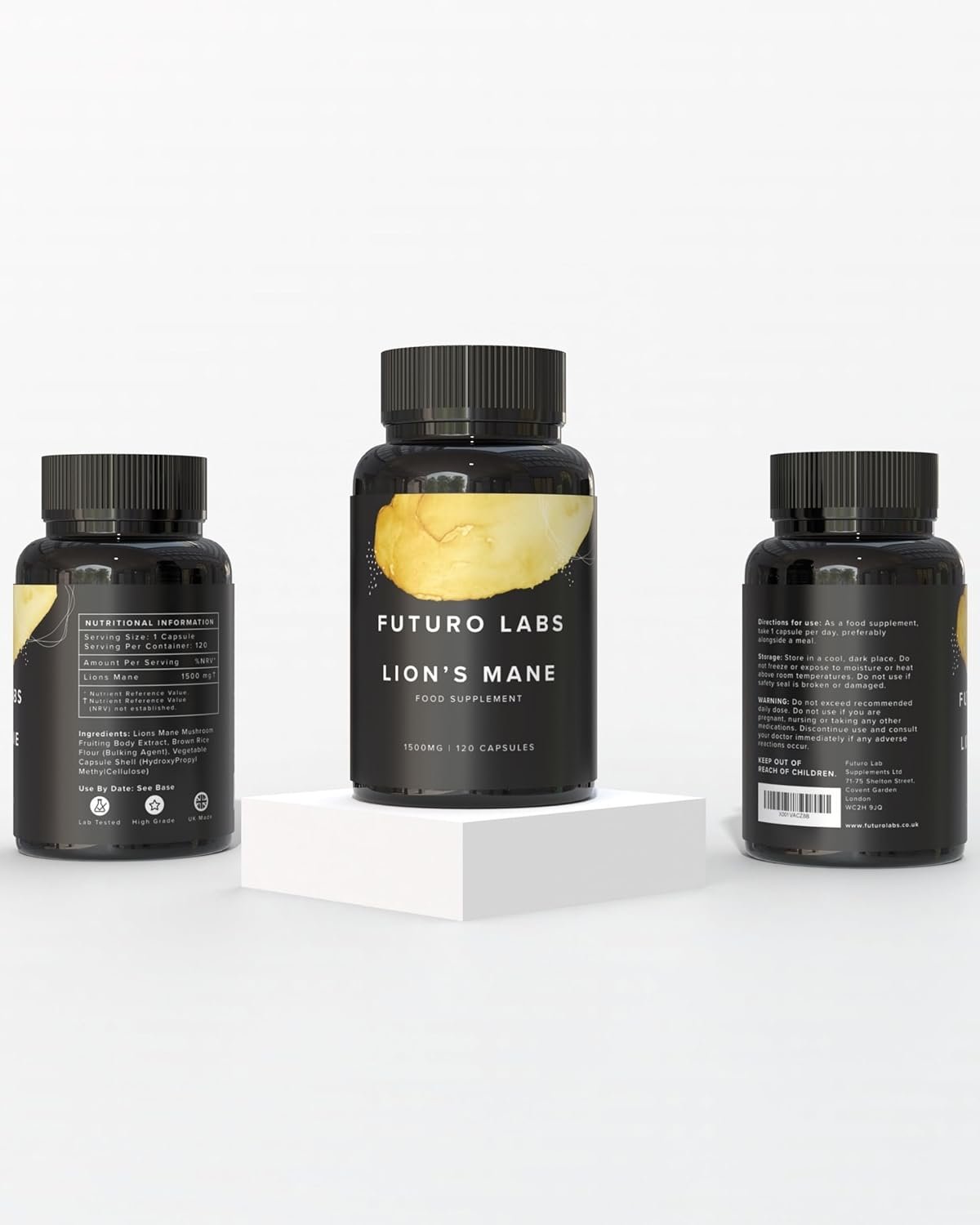
£15.49 for 120-day supply · 13p per day
Pros
- 1500mg fruiting body extract (5:1 ratio) per single capsule
- Delayed-release capsule for high absorption
- 21.6mm size-00 — easier swallow than most 1500mg formats
- 120-day supply at ~13p per day
- BRC AA accredited UK manufacturing
- Vegan HPMC, no fillers, odour-free, lab tested
Cons
- Single-ingredient (no nootropic blend)
- Newer brand vs heritage UK names
Available from: Amazon UK · Futuro Labs
Chaga mushroom (UK brands)
£15-30 / 60-90 day supply · 17-50p per day
Pros
- Highest antioxidant content of any food
- Immune support evidence
- Pairs well with lion's mane
Cons
- Not a cognitive supplement
- Oxalate content — caution with kidney stones
- Quality varies enormously
Available from: Amazon UK · Holland & Barrett
Real Mushrooms Lion's Mane
Around £30-40 for 60-day supply · 50-67p per day
Pros
- 100% fruiting body
- Beta-glucan standardised
- Strong mycology reputation
Cons
- US import, higher delivered cost
- Beta-glucan not polyphenol standardisation
Available from: Real Mushrooms
Bristol Fungarium Lion's Mane
Around £25-32 for 30-day supply · 83p-£1.07 per day
Pros
- UK-grown organic mushrooms
- Soil Association certified
- Dual-extracted fruiting body
Cons
- Premium pricing
- Tincture-format primary
Available from: Bristol Fungarium · Healf
At-a-glance comparison
| Aspect | Lion's Mane | Chaga |
|---|---|---|
| Primary application | Cognitive support | Antioxidant + immune |
| Active compounds | Hericenones, erinacines | Melanin, betulinic acid, polysaccharides |
| Best for | Brain fog, cognitive maintenance | Daily wellness, immune |
| Daily dose | 1000-3000mg fruiting body extract | 1500-3000mg extract or tea |
| Safety | Minimal considerations | Oxalate (kidney stones), mild blood-thinning |
| Cost/day | 13-50p | 17-50p |
| Stack together | Yes — different applications | Complementary |
| UK availability | Wide | Wide — tea, capsule, powder |
Lion's mane — cognitive focus
Lion's mane (Hericium erinaceus) is the cognitive specialist among functional mushrooms. Bioactive compounds (hericenones, erinacines) support NGF/BDNF production and neural maintenance. Evidence base focused on cognitive function, brain fog reduction, and age-related cognitive support.
Best for: brain fog, cognitive maintenance, age-related cognitive changes, perimenopausal cognitive symptoms. Daily dose 1000-3000mg fruiting body extract. ~13-50p per day at UK quality brands.
Chaga — antioxidant and immune focus
Chaga (Inonotus obliquus) is a parasitic fungus growing on birch trees, traditionally harvested across Scandinavia, Russia, and parts of Canada. The defining feature: extremely high antioxidant content — ORAC (Oxygen Radical Absorbance Capacity) values substantially higher than blueberries, pomegranate, or other commonly-cited antioxidant foods.
Mechanism: melanin content (the dark pigment) plus betulinic acid (from the birch host tree) and polysaccharides drive antioxidant and immune-modulating effects. Evidence base focused on antioxidant support and immune function rather than cognitive benefits.
Best for: antioxidant support, immune system maintenance, complementary functional mushroom use alongside lion's mane. Daily dose 1500-3000mg extract or as tea. ~17-50p per day at UK quality brands.
Head-to-head comparison
Primary application
Lion's mane: cognitive support, brain fog, neural maintenance. Chaga: antioxidant support, immune system maintenance, complementary daily wellness.
Evidence base
Lion's mane: growing evidence base for cognitive support specifically. Chaga: established traditional use plus modern research on antioxidant content and immune modulation. Different evidence bases — both legitimate, addressing different applications.
Mechanism
Different. Lion's mane: hericenones/erinacines, NGF/BDNF stimulation. Chaga: melanin, betulinic acid, polysaccharides — antioxidant and immune-modulating.
Format availability UK
Both available as capsules, powder, and tea. Chaga tea is particularly traditional and accessible. Lion's mane capsules are the practical default for cognitive support specifically.
Safety considerations
Lion's mane: minimal documented issues; well-tolerated in most users. Chaga: important oxalate consideration — chaga contains high oxalate levels. UK adults with kidney stones (calcium oxalate type) or high oxalate intake should avoid chaga supplementation or use sparingly. Also has mild blood-thinning effect — discuss with prescriber if on anticoagulants.
Who should choose which
Choose lion's mane if:
- Cognitive support is your primary goal
- You're targeting brain fog, mental fatigue, or sustained cognitive demand
- You want neural maintenance support over weeks
- You're navigating perimenopausal cognitive symptoms
Choose chaga if:
- Antioxidant or immune support is your primary goal
- You want a complementary daily wellness mushroom alongside diet
- You enjoy the chaga tea ritual specifically
- You're targeting general daily wellness rather than cognitive symptoms
Take both if:
- You want comprehensive functional mushroom support across cognitive and immune/antioxidant applications
- You're not at risk of oxalate issues (no kidney stones, normal oxalate diet)
- Cost permits both — combined ~30-100p/day at UK quality brands
Stacking lion's mane and chaga
No documented interactions. Many UK functional mushroom users take both:
- Morning: Lion's mane 1500mg fruiting body extract (cognitive support)
- Throughout day: Chaga tea or capsule (antioxidant + immune support)
This combination provides cognitive specialisation (lion's mane) alongside daily wellness/antioxidant support (chaga). Particularly popular among UK adults interested in functional mushrooms broadly rather than cognitive support specifically.
Broader functional mushroom context
For UK adults exploring the full functional mushroom landscape:
- Lion's mane: cognitive specialist (this article's primary focus)
- Chaga: antioxidant and immune specialist
- Reishi: stress and sleep support — adaptogenic. See our cordyceps/reishi comparison
- Cordyceps: athletic performance and energy
- Turkey tail: immune support specifically
- Maitake: blood sugar and immune support
Each functional mushroom has different applications. UK users targeting comprehensive functional mushroom support often layer 2-3 specific mushrooms matched to their goals rather than taking generic "mushroom complex" blends that typically dilute each below clinical dose.
Frequently asked questions
Is lion's mane or chaga better?
Different applications — they're not interchangeable. Lion's mane: cognitive support, brain fog, neural maintenance. Chaga: antioxidant support, immune function. For cognitive symptoms specifically, lion's mane wins. For general antioxidant/immune support, chaga has the unique high-antioxidant content. Many UK functional mushroom users take both — they address completely different applications through different mechanisms.
Can I take lion's mane and chaga together?
Yes — no documented interactions. Common UK functional mushroom protocol: lion's mane 1500mg morning (cognitive support) + chaga tea or capsule throughout day (antioxidant/immune support). Address different applications through different mechanisms. Note: avoid chaga if you have kidney stones (oxalate content) or are on anticoagulants without prescriber discussion.
What does chaga taste like?
Earthy, slightly bitter, with notes of dark coffee or roasted chicory. Traditional preparation is as tea — many users find chaga tea genuinely pleasant, particularly with a small amount of honey or cinnamon. The taste is milder than lion's mane powder in plain water. Chaga capsules eliminate taste entirely if format preference matters.
Is chaga safe to take daily?
For most healthy UK adults, yes — at standard supplemental doses. Important considerations: chaga contains high oxalate levels, so avoid if you have kidney stones (calcium oxalate type) or high oxalate intake. Mild blood-thinning effect — discuss with prescriber if on anticoagulants. Otherwise well-tolerated for daily use. Lion's mane has fewer safety considerations and is the safer default for adults uncertain about chaga's specific contraindications.
Looking for the best value lion's mane in the UK?
Futuro Labs Lion's Mane delivers 1500mg fruiting body extract (5:1) in a delayed-release capsule for ~13p per day.
Shop on Amazon UKLast updated: 10 May 2026. All content is provided for general information only and is not intended to substitute for professional medical advice. If you have any health concerns, consult your GP or a qualified healthcare professional. Futuro Labs is a registered UK supplement manufacturer (Futuro Lab Supplements Ltd, 71-75 Shelton Street, London WC2H 9JQ). Affiliate links to Amazon UK and our own store are clearly disclosed.