Lion's Mane vs Ginkgo Biloba UK 2026
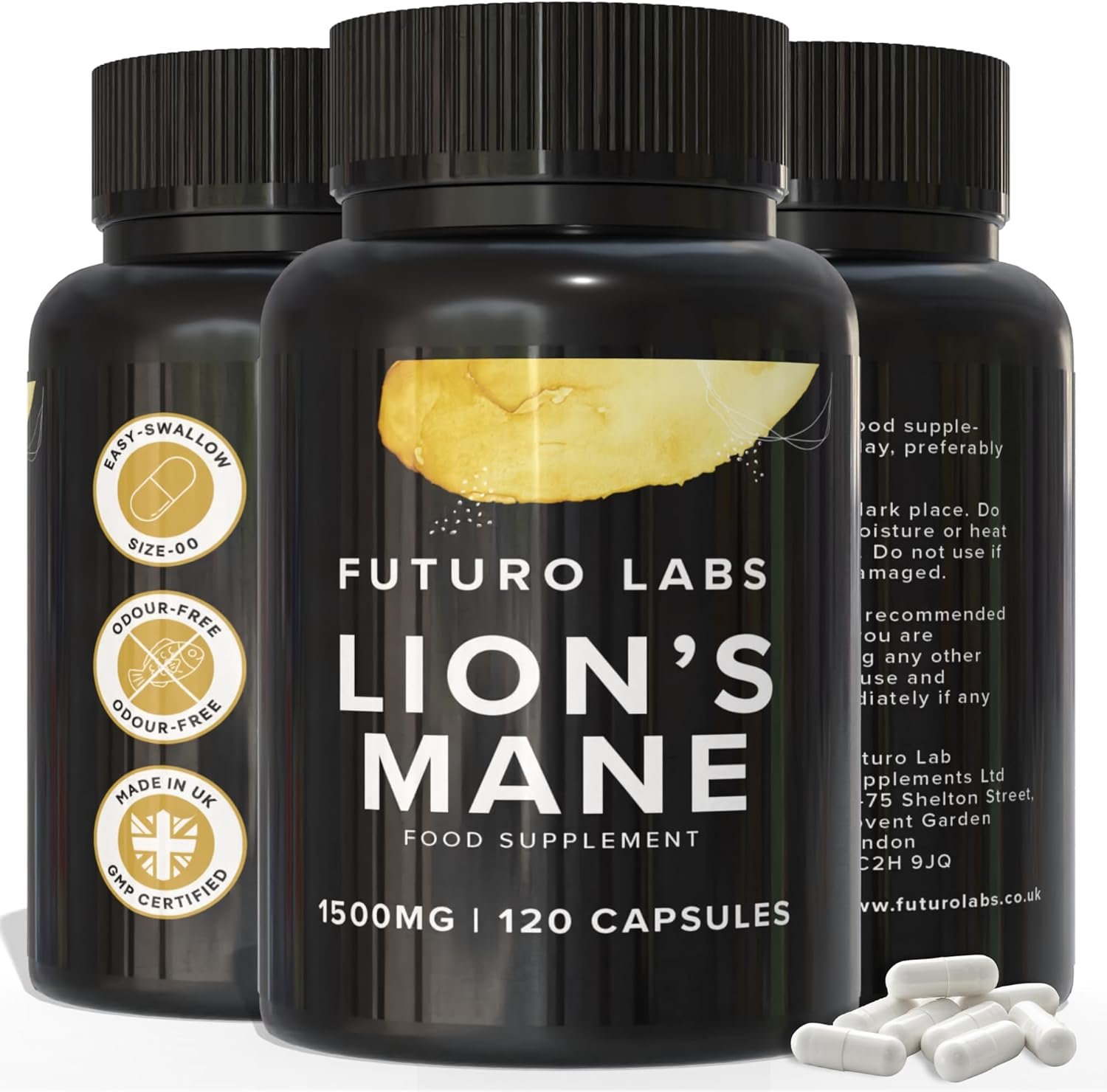
Lion's mane and ginkgo biloba are often grouped as 'natural cognitive supplements' — but they have substantially different evidence bases. Ginkgo's evidence has weakened in modern trials; lion's mane evidence has strengthened. We cover the honest comparison plus important ginkgo safety warnings.
At a glance: our picks
- Better evidence base 2026: Lion's Mane — Futuro Labs 1500mg, ~13p/day
- Specific older-adult application: Ginkgo Biloba (with caveats)
- Avoid ginkgo entirely if: On anticoagulants, planned surgery, pregnancy
- Safer default for most UK adults: Lion's mane — minimal side effect profile
- Cost: Both moderate — choose on evidence not cost
Lion's mane and ginkgo biloba are often grouped together as "natural cognitive supplements" — but they have substantially different evidence bases, mechanisms, and ideal applications. Ginkgo has been studied for decades and was one of the most-prescribed cognitive supplements in 1990s-2000s; modern evidence is more mixed than the early enthusiasm suggested. Lion's mane has emerged more recently with growing evidence base and different mechanism.
This guide explains what each actually does, when one is genuinely better than the other, and the realistic framing for UK buyers comparing them.
Our top picks reviewed
Futuro Labs Lion's Mane
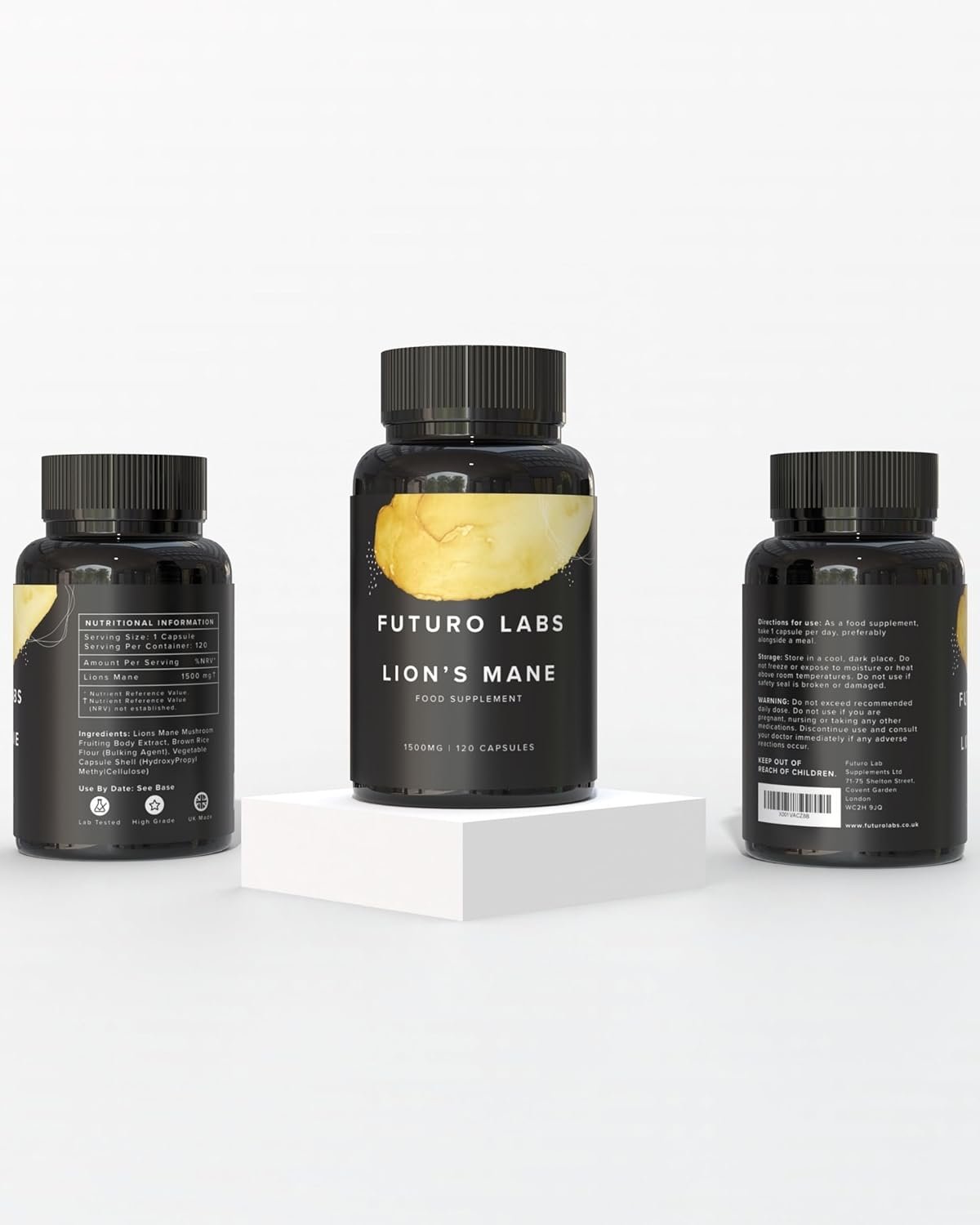
£15.49 for 120-day supply · 13p per day
Pros
- 1500mg fruiting body extract (5:1 ratio) per single capsule
- Delayed-release capsule for high absorption
- 21.6mm size-00 — easier swallow than most 1500mg formats
- 120-day supply at ~13p per day
- BRC AA accredited UK manufacturing
- Vegan HPMC, no fillers, odour-free, lab tested
Cons
- Single-ingredient (no nootropic blend)
- Newer brand vs heritage UK names
Available from: Amazon UK · Futuro Labs
Ginkgo Biloba (UK brands)
£8-20 / 90-day supply · 9-22p per day
Pros
- Long-established evidence base
- Affordable
- Multiple UK brands available
Cons
- Mixed evidence in younger adults
- Blood-thinning effect — discuss with prescriber if on anticoagulants
- Effects modest
Available from: Amazon UK · Holland & Barrett
Ashwagandha (KSM-66 / Sensoril, UK brands)
£10-25 / 60-day supply · 17-42p per day
Pros
- Strong stress and anxiety evidence
- Cortisol reduction documented
- Pairs well with lion's mane
Cons
- Mild sedation in some users
- Effects build over 4-8 weeks
Available from: Amazon UK · Holland & Barrett
At-a-glance comparison
| Aspect | Lion's Mane | Ginkgo Biloba |
|---|---|---|
| Modern evidence base | Growing — 2010s-2020s | Mixed — weaker in modern trials |
| Mechanism | NGF/BDNF neural support | Blood flow, antioxidant |
| Best applications | Most adults wanting cognitive support | Older adults with mild cognitive concerns |
| Daily dose | 1000-3000mg fruiting body | 120-240mg standardised extract |
| Side effects | Minimal | Bleeding risk, anticoagulant interactions |
| Pregnancy / surgery | Generally fine | Avoid both |
| Cost/day | 13-50p | 9-22p |
| Default UK choice 2026 | Yes | No — specific populations only |
Lion's mane — emerging evidence, neural mechanism
Lion's mane (Hericium erinaceus) is a functional mushroom with bioactive compounds (hericenones, erinacines) supporting NGF/BDNF production. Mechanism supports neural maintenance and plasticity. Evidence base has grown substantially in 2010s-2020s with multiple human trials showing modest cognitive benefits.
Best for: brain fog, cognitive maintenance, age-related cognitive changes, perimenopausal cognitive symptoms. Effects build over 4-8 weeks.
Daily dose: 1000-3000mg fruiting body extract
UK pricing tier: 13-50p per day
Ginkgo biloba — long-studied, mixed modern evidence
Ginkgo biloba is one of the longest-studied cognitive supplements with substantial historical research base. Mechanism includes mild blood-flow effects and antioxidant activity. Modern evidence is more mixed than the early enthusiasm suggested — modest improvements in cognitive function in older adults with cognitive concerns; minimal effect in younger healthy adults.
Best for: older adults with mild cognitive concerns, situations where ginkgo's blood-flow mechanism is theoretically relevant. Less compelling for younger adults wanting general cognitive support.
Daily dose: 120-240mg standardised extract (24% flavonoid glycosides, 6% terpene lactones)
Timing: with meals, daily continuous use
UK pricing tier: 9-22p per day
The evidence base — honest comparison
Ginkgo's evidence has gotten weaker over time, not stronger
Early ginkgo research in 1990s suggested broad cognitive benefits. The largest modern trial — the GEM Study (3,069 participants over 6 years, published 2008) — showed no significant effect on cognitive decline or dementia prevention. Subsequent meta-analyses suggest modest effects in specific populations (older adults with mild cognitive concerns) but minimal effect in younger healthy adults.
Lion's mane evidence has grown
Lion's mane evidence base is smaller in absolute terms but trending positive. Multiple RCTs in older adults show modest cognitive improvements at adequate doses. The 2009 Mori et al study and subsequent research have established a credible evidence base for cognitive support, particularly in adults with cognitive concerns.
For most UK adults wanting cognitive support, lion's mane is the better-evidenced choice in 2026
Ginkgo retains relevance for specific populations (older adults with mild cognitive concerns, where blood-flow mechanism is theoretically relevant) but isn't the default cognitive supplement it was perceived as 20 years ago.
Head-to-head comparison
Mechanism
Different. Lion's mane: NGF/BDNF stimulation, neural maintenance. Ginkgo: blood flow modulation, antioxidant effects.
Best applications
Lion's mane: brain fog, cognitive maintenance, age-related changes, perimenopausal symptoms. Ginkgo: older adults with mild cognitive concerns specifically.
Side effect profile
Lion's mane: minimal side effects in most users. Ginkgo: blood-thinning effect (significant — discuss with prescriber if on anticoagulants like warfarin or DOACs), occasional headache, GI sensitivity in some users.
Cost
Comparable. Ginkgo slightly cheaper at typical UK pricing (9-22p/day vs 13-50p/day for lion's mane). Cost difference rarely justifies choosing on cost alone given the evidence-base difference.
Who should choose which
Choose lion's mane if:
- You're a younger or middle-aged adult wanting general cognitive support
- You're targeting brain fog, cognitive demand, or perimenopausal cognitive symptoms
- You're not on anticoagulant medication
- You want stronger 2010s-2020s evidence base
Choose ginkgo if:
- You're an older adult with mild cognitive concerns and the blood-flow mechanism is theoretically relevant for your situation
- You're under clinical care for cognitive concerns and ginkgo is included in your protocol
- You're not on anticoagulants and want to try ginkgo specifically
Important ginkgo warnings
- Anticoagulant interactions: ginkgo has documented blood-thinning effect. Avoid combining with warfarin, DOACs (apixaban, rivaroxaban, dabigatran), aspirin therapy, or clopidogrel without prescriber discussion.
- Surgery: stop ginkgo at least 2 weeks before any planned surgery to reduce bleeding risk.
- Pregnancy: avoid during pregnancy due to bleeding risk.
- Quality variation: standardised extract (24% flavonoid glycosides, 6% terpene lactones) matters substantially. Generic whole-leaf ginkgo products are typically lower-quality.
Lion's mane has none of these significant warnings — minimal interaction profile, no bleeding risk, generally safe across populations.
Frequently asked questions
Is lion's mane better than ginkgo biloba?
For most UK adults wanting cognitive support in 2026, yes. Ginkgo's evidence has gotten weaker over time — the large modern trials show minimal effect in younger healthy adults. Lion's mane has growing evidence base in 2010s-2020s with multiple RCTs showing modest cognitive benefits. Lion's mane also has milder side effect profile (no bleeding risk, no anticoagulant interactions). Ginkgo retains relevance for specific older adult populations with mild cognitive concerns.
Can I take lion's mane and ginkgo together?
No documented direct interaction, but the combination isn't typically recommended. Both are intended for cognitive support — taking both rarely produces additive benefit beyond what single-supplement at adequate dose delivers. If on anticoagulants, ginkgo should be avoided regardless. For most UK adults, choosing one based on age and specific cognitive concerns is more practical than stacking both.
Does ginkgo biloba really work?
Modest evidence in specific populations. The largest modern trial (GEM Study, 3,069 participants, 6 years) showed no significant effect on cognitive decline or dementia prevention. Meta-analyses suggest modest benefits in older adults with mild cognitive concerns; minimal effect in younger healthy adults. Ginkgo isn't the broadly-effective cognitive supplement it was perceived as 20 years ago, though it retains relevance for specific older adult populations.
Is ginkgo biloba safe?
Generally well-tolerated but has notable safety considerations. Documented blood-thinning effect — avoid combining with anticoagulants (warfarin, DOACs, aspirin therapy, clopidogrel) without prescriber discussion. Stop at least 2 weeks before any planned surgery. Avoid during pregnancy due to bleeding risk. Lion's mane has none of these significant warnings, making it a safer default for most UK adults wanting cognitive support.
Looking for the best value lion's mane in the UK?
Futuro Labs Lion's Mane delivers 1500mg fruiting body extract (5:1) in a delayed-release capsule for ~13p per day.
Shop on Amazon UKLast updated: 10 May 2026. All content is provided for general information only and is not intended to substitute for professional medical advice. If you have any health concerns, consult your GP or a qualified healthcare professional. Futuro Labs is a registered UK supplement manufacturer (Futuro Lab Supplements Ltd, 71-75 Shelton Street, London WC2H 9JQ). Affiliate links to Amazon UK and our own store are clearly disclosed.