Mindset and the Immune System
Wounds heal slower under chronic stress and vaccine responses run weaker — the pathways are textbook, the fix is boring.
At a glance
- Real physiology: chronic stress → cortisol → measurably dampened immune function (healing, vaccines, colds)
- What 'mindset' means here: the stress-sleep-connection cluster — not positive thinking as medicine
- The evidence-backed practices: sleep, moderate exercise, social connection, mindfulness-style stress reduction
- Never: illness framed as mindset failure — biology outranks attitude, and the GP outranks this page
The science that makes this page legitimate
Mind-body immunity earns its hearing through decades of psychoneuroimmunology, summarised honestly: the stress pathway — chronic psychological stress keeps cortisol and sympathetic activation elevated, and sustained cortisol measurably dampens aspects of immune response: the mechanism is textbook, not wellness-blog; the human evidence — the field's classic findings: wounds heal slower in chronically stressed caregivers, vaccine antibody responses run weaker under sustained stress, and cold-virus challenge studies found higher infection rates in the high-stress groups — measurable immunity moving with measurable psychology; the boundary that keeps it honest — these are population-level effects of chronic stress on normal function: nothing here says attitude cures disease, that illness reflects mental weakness, or that positive thinking substitutes for medicine — anyone seriously ill deserves treatment and kindness, never a mindset audit (the wider immune-support page).
The practices with files — and the molecule readers ask about
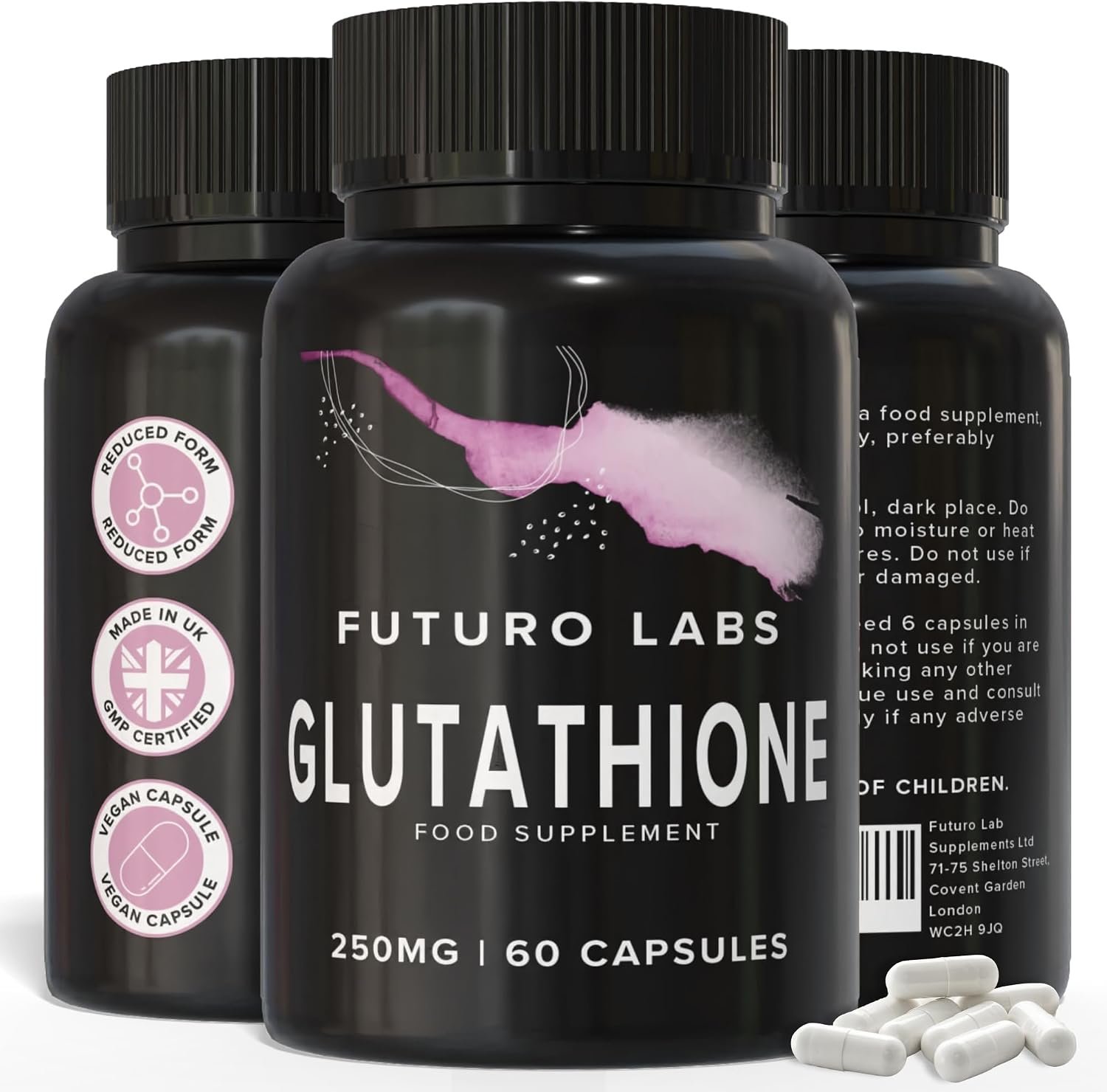
Converting the science into behaviour: sleep — the overlap's centre: short sleep is both a stress amplifier and an independent immune-suppressor (the controlled exposure studies are stark), making the boring eight hours the strongest mind-body intervention available; movement — regular moderate exercise cuts both ways usefully: documented stress relief plus its own fewer-infections association; connection — loneliness and isolation track with worse immune and inflammatory markers across studies: the weekly call and the standing plans are physiology, not sentiment; formal practice — mindfulness-based programmes show modest but real improvements in inflammatory and immune measures: modest is the honest word, real is the useful one; the molecule in the room — glutathione, the body's principal intracellular antioxidant, sits where oxidative stress meets immune cell function: a genuine research literature with no authorised claims — Futuro Labs Glutathione supplies the reduced form at 500mg per serving for the interested, £22.99 for 30 days, sold as research-stage interest rather than immune promise (that honest file, the explainer).
Futuro Labs Glutathione
£22.99 for 30-day supply · 77p per day
Pros
- 500mg reduced glutathione (GSH) per serving — the active form
- UK manufactured under GMP certification
- Single-ingredient, vegan, no fillers
- Independently lab tested — microbiology and heavy metals
- ~77p per day vs £1.20-1.80/day for liposomal formats
Cons
- Capsule format — no liposomal delivery system
- Newer brand versus heritage names like Solgar
A working week of mind-body immunity — and the close
The protocol, made ordinary: the daily floor — a fixed wake time, ten minutes of morning daylight, movement most days, and an actual wind-down hour with screens dimmed: four habits covering most of the field's findings; the weekly layer — one deliberate social anchor (the call, the class, the standing coffee) and one longer unwind that isn't a screen; the stress-spike plan — for the heavy fortnights everyone gets: protect sleep first, halve intensity rather than abandoning movement, and say the load out loud to someone — the physiological point of connection; the boundaries — persistent low mood, anxiety that runs the day, or stress that won't dial down are GP conversations with real support behind them, and frequent or severe infections have their own clinical pathway: this page supports normal function around proper care, never instead of it (the supplement audit). Mindset and immunity, closed at true size: real pathways, modest effects, boring practices — sleep, movement, connection and calm as the immune work nobody sells, with one research-stage molecule available for the curious and the claims left where the register keeps them.
Frequently asked questions
Does mindset really affect the immune system?
Through real, measurable physiology, yes: chronic stress raises cortisol, which dampens aspects of immune function — studies show slower wound healing, weaker vaccine responses and more frequent colds in chronically stressed groups. 'Mindset' here means the stress-sleep-connection cluster, not positive thinking as medicine: optimism doesn't replace vaccines, and no illness is a mindset failure.
What mind-body practices have evidence?
The unglamorous set: adequate sleep (the biggest immune lever wearing a mental-health hat), regular moderate exercise (both stress relief and immune support), social connection (loneliness tracks with worse immune markers), and stress-reduction practices — mindfulness programmes and similar show modest improvements in inflammatory and immune measures across studies.
Where do supplements fit in this picture?
At the edges: the immune claim-holders (C, D, zinc, selenium and colleagues) cover nutritional shortfall, and antioxidant-storied molecules like glutathione are research-stage interest rather than claims. Nothing supplemental changes the stress physiology — that's the sleep, movement and connection work.
The active form, stated plainly?
Futuro Labs Glutathione — 500mg reduced GSH per serving. £22.99.
Shop on Amazon UK