How to Boost Your Immune System, Honestly
The immune system isn't an engine wanting throttle — normality is the prize, and sleep is the strongest product on the page.
At a glance
- Support, not boost: normal immune function is the goal — the claims say exactly that
- The big levers: sleep first, exercise, varied diet, stress, vaccination, not smoking
- The authorised nutrients: C, D, zinc, selenium, iron, folate, B6, B12 — with winter D as the UK priority
- Cold reality: C trims duration slightly, zinc lozenges need instant timing, D fixes deficiency-linked risk
Retiring 'boost' — what the immune system actually wants
The word doing the damage goes first: why 'boost' misleads — the immune system isn't an engine wanting more throttle: it's a regulated network whose overactivity is allergy and autoimmunity, and whose real-world failures are mostly about being under-resourced, not under-revved — which is why every authorised claim in this territory reads 'contributes to the normal function of the immune system': normality is the prize; the levers with real evidence — sleep leads: short sleep measurably increases susceptibility to respiratory infections in controlled exposure studies, making the boring eight hours the strongest 'immune product' on this page; regular moderate exercise associates with fewer infections (with the caveat that extreme training loads briefly dip defences); stress management earns its seat through the cortisol-immune axis; smoking's exit and alcohol's moderation remove active saboteurs; and vaccination does the one thing nothing nutritional can — train specific recognition in advance.
The nutrient layer — claims, food sources, and one seaweed's seat
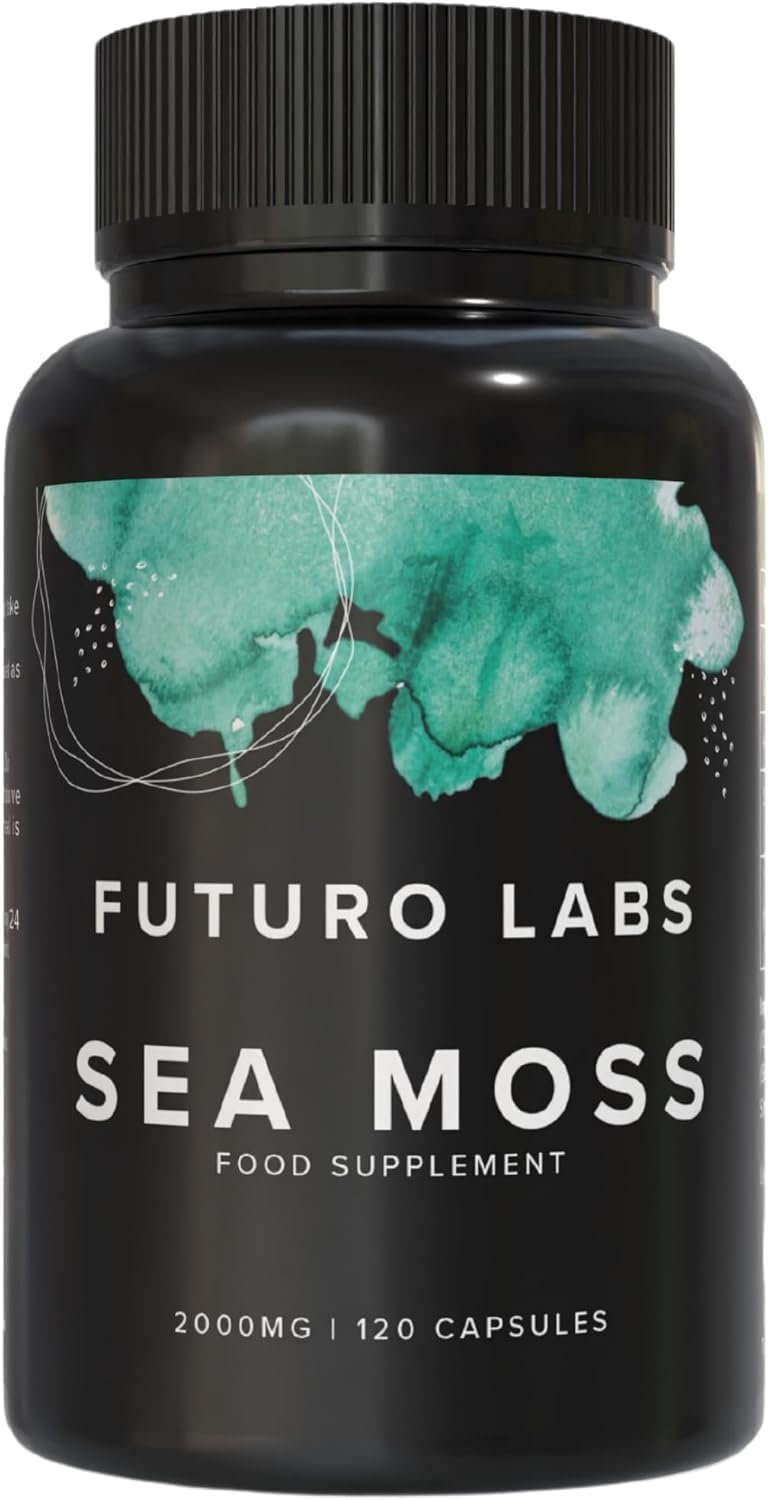
The register's immune cast, translated to shopping: the claim-holders — vitamins C and D, zinc, selenium, iron, folate, B6 and B12 each hold the normal-immune-function sentence: a genuine official list, best read as 'shortfalls in these show up as vulnerability'; the UK's practical priority — vitamin D: official advice already says supplement through winter, making it the one immune nutrient with a standing government recommendation rather than a marketing campaign; the food-first map — C in the fruit bowl and peppers, zinc in meat, shellfish and seeds, selenium famously in brazil nuts, iron and B12 per their own careful pages: plates cover most of the cast for most people (the dedicated vitamins page); the seaweed's honest seat — Futuro Labs Sea Moss contributes iodine (authorised claims for normal thyroid function and energy metabolism — the thyroid being metabolism's quiet infrastructure) plus marine polysaccharides, with no immune claims held or implied: a food-derived diversity entry at £9.99 for 60 days, sold at exactly that size (the sea moss immune page, the iodine file).
Futuro Labs Sea Moss
£9.99 for 60-day supply (120 capsules) · under 17p per day
Pros
- 2000mg raw sea moss equivalent per serving (15:1 extract)
- Wildcrafted North Atlantic Chondrus crispus — named species and origin
- Independently lab tested — heavy metals and microbiology
- Single-ingredient vegan capsules, UK GMP made
- 60-day supply £9.99 — under 17p/day
Cons
- Iodine content varies by harvest — not for precise-dose needs
- Young brand next to high-street names
Cold season, honestly — and the close
What the files actually show when winter arrives: vitamin C — regular intake slightly shortens colds and doesn't prevent them (the exception: heavy exercisers, where prevention signal exists) — a modest, cheap truth the marketing inflates annually; zinc — lozenges begun within 24 hours of symptoms modestly trim duration: a timing-critical, throat-local effect, not a daily-tablet promise; vitamin D — correcting low status associates with fewer respiratory infections: the deficiency-fixing frame, again matching the UK winter advice; the unglamorous winners — handwashing, ventilation, vaccination and sleep outperform the entire supplement shelf, and the honest immune routine is mostly a lifestyle wearing a lab coat; the boundary — frequent, severe or unusual infections are GP territory (real immunology exists), and this page's job ends where diagnosis begins (the supplement audit, the stress-immunity page). Boosting immunity, closed by renaming it: support normal function — sleep it, feed it, move it, vaccinate it — with winter D as the one standing supplement, and the rest of the cast covered first by the plate.
Frequently asked questions
How do you boost your immune system?
You support it rather than boost it: adequate sleep (the best-evidenced lever — short sleep measurably raises infection susceptibility), regular moderate exercise, varied diet covering the claim-holding micronutrients (C, D, zinc, selenium, iron, B12, folate), managed stress, vaccination as designed, and not smoking. 'Boosting' beyond normal function isn't a real goal — normal function is the goal.
Which vitamins support immunity?
The authorised list: vitamins C and D, zinc, selenium, iron, folate, B6 and B12 all hold 'contributes to the normal function of the immune system' claims. Vitamin D is the UK's practical priority (official winter advice exists); the rest are food-first territory for most people.
Do immune supplements prevent colds?
Mostly no: the honest files show vitamin C slightly shortening colds (not preventing them, except in heavy exercisers), zinc lozenges modestly trimming duration if started immediately, and vitamin D correcting deficiency-linked susceptibility. Nothing on a shelf replaces sleep, vaccines or handwashing.
Sea moss as an extract, not a guess?
Futuro Labs Sea Moss — 2000mg 15:1 extract, 60 days. £9.99.
Shop on Amazon UK