Vitamins for Immune Support: The Official Eight
The register's list is shorter than the immunity aisle pretends — and 'normal function' is the operative phrase.
At a glance
- The authorised cast: C, D, zinc, selenium, iron, folate, B6, B12 — normal-immune-function claims all
- UK priority: vitamin D through winter — the one standing official recommendation
- Food-first map: the cast arrives on ordinary varied plates; capsules cover named gaps
- Dose truth: sufficiency is the target — megadoses buy expense, not extra immunity
The cast, introduced properly
'Vitamins for immune support' has a register answer, so it leads: the claim-holders — vitamin C, vitamin D, zinc, selenium, iron, folate, vitamin B6 and vitamin B12 each hold the authorised sentence 'contributes to the normal function of the immune system': an official list that survived evidence review, and notably shorter than the immunity aisle pretends; reading the sentence right — 'normal function' is the operative phrase: these nutrients are infrastructure whose shortfall shows up as vulnerability, not accelerants whose surplus builds a superhuman — which reframes the whole shopping question from 'which boosts most' to 'where might I actually be short' (the boost-retiring page); the UK shortfall reality — vitamin D is the honest headline: official advice already recommends winter supplementation for the general population because British sunlight can't make enough from October to March — the rest of the cast reaches most varied diets without help.
The food map — and the honest gaps a capsule covers
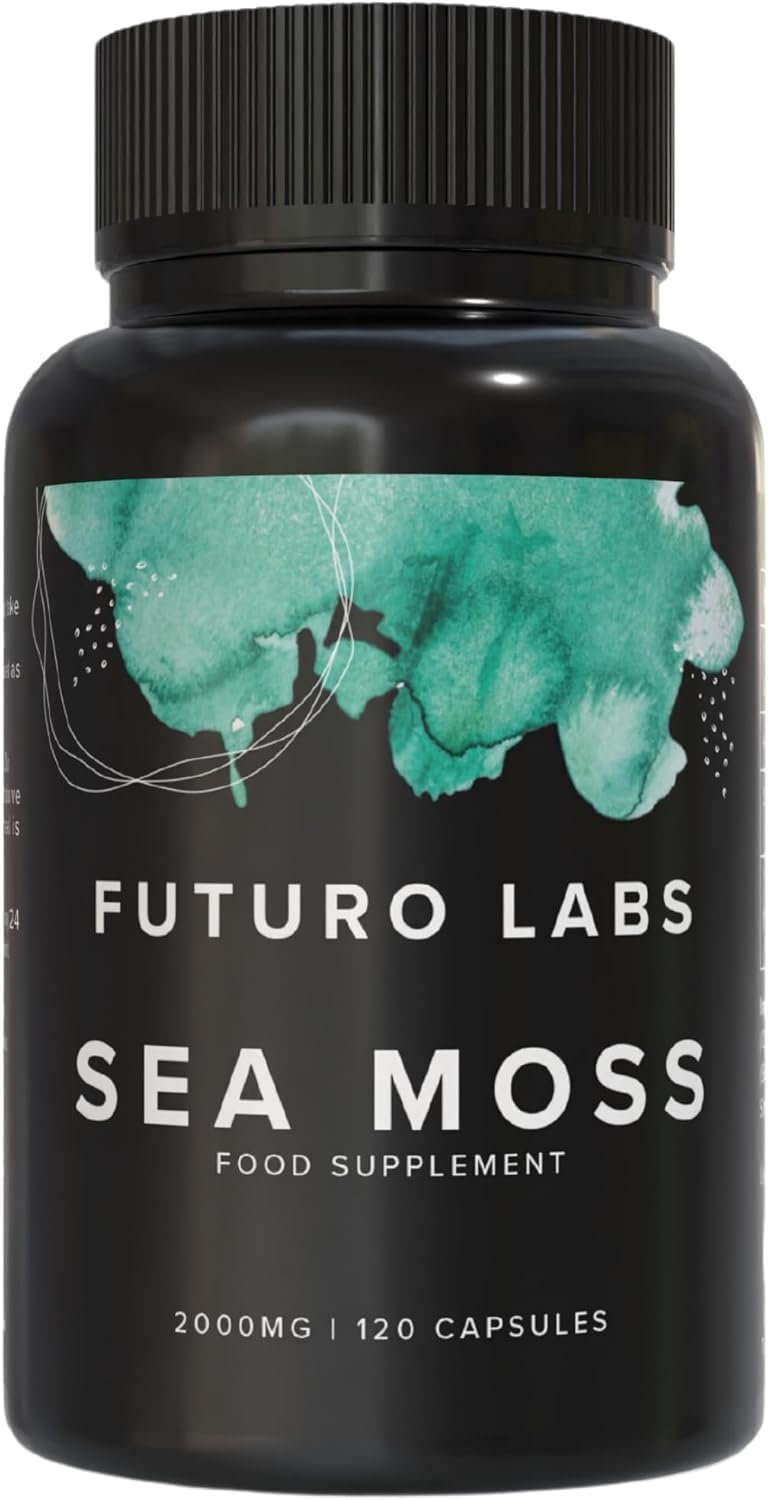
Where the cast actually lives: the plate tour — vitamin C in citrus, peppers, berries and brassicas; zinc in meat, shellfish, seeds and legumes; selenium famously concentrated in brazil nuts (two or three cover a day); folate in leafy greens and pulses; B6 across poultry, fish and bananas; B12 in animal products exclusively; iron in red meat, pulses and fortified cereals — a varied ordinary diet covers this cast without ceremony; the named gaps — winter D for everyone (the standing advice, cheaply followed), B12 for vegans and the over-60s (absorption declines with age), iron only ever after a GP test (excess harms, causes matter), and general coverage during genuinely poor eating spells; the seaweed footnote — iodine, while not on the immune cast, holds its own authorised claims (normal thyroid function, energy metabolism, cognitive function), and the thyroid is metabolism's quiet infrastructure: Futuro Labs Sea Moss supplies natural seaweed iodine at 2000mg-equivalent from 15:1 extract, £9.99 for 60 days — a food-derived way to cover a mineral British diets often miss (the iodine file, the sea moss immune page).
Futuro Labs Sea Moss
£9.99 for 60-day supply (120 capsules) · under 17p per day
Pros
- 2000mg raw sea moss equivalent per serving (15:1 extract)
- Wildcrafted North Atlantic Chondrus crispus — named species and origin
- Independently lab tested — heavy metals and microbiology
- Single-ingredient vegan capsules, UK GMP made
- 60-day supply £9.99 — under 17p/day
Cons
- Iodine content varies by harvest — not for precise-dose needs
- Young brand next to high-street names
Dosing sanity, cold-season truth — and the close
The section that saves readers money: the dose truth — immunity is not dose-responsive above sufficiency: the claims operate at ordinary intakes, high-dose C's honest file is 'slightly shorter colds, not fewer', and long-term high-dose zinc can induce copper deficiency — sufficiency is the whole target; the winter protocol, assembled — daily vitamin D October through March (the official baseline), the varied plate doing the cast's work, sleep and vaccination doing the heavy lifting no nutrient replicates, and hand-washing outperforming the entire aisle; the checking rule — anyone on medication, pregnant, or managing conditions runs the pharmacist minute before adding supplements, immune-branded or otherwise; the boundary — frequent, severe or unusual infections are a GP conversation with real immunology behind it, not a signal to escalate doses. Vitamins for immune support, closed as the register wrote it: eight official names, one standing winter recommendation, a plate that covers the rest — and every megadose left on the shelf where it can't disappoint anybody.
Frequently asked questions
What vitamins support the immune system?
The authorised cast: vitamins C and D, zinc, selenium, iron, folate, B6 and B12 each hold 'contributes to the normal function of the immune system'. Practical translation for the UK: vitamin D through winter (official advice), food-first for the rest, targeted attention where diets create gaps (B12 for vegans, iron post-test only).
Should I take a daily immune multivitamin?
Most people with varied diets don't need one — the claim-holders arrive on plates. Reasonable exceptions: winter vitamin D for everyone (the standing advice), B12 for plant-based diets, and a general multivitamin as low-stakes insurance for genuinely poor eating spells. Megadoses add cost, not immunity.
Do high doses work better?
No — the claims describe supporting normal function at ordinary intakes, and immunity isn't dose-responsive above sufficiency. High-dose vitamin C's honest file is 'slightly shorter colds'; high-dose zinc long-term can cause copper deficiency. Sufficiency is the target; excess is expense.
Sea moss as an extract, not a guess?
Futuro Labs Sea Moss — 2000mg 15:1 extract, 60 days. £9.99.
Shop on Amazon UK