Glutathione vs NAC vs Other Antioxidants: Which Should You Take?
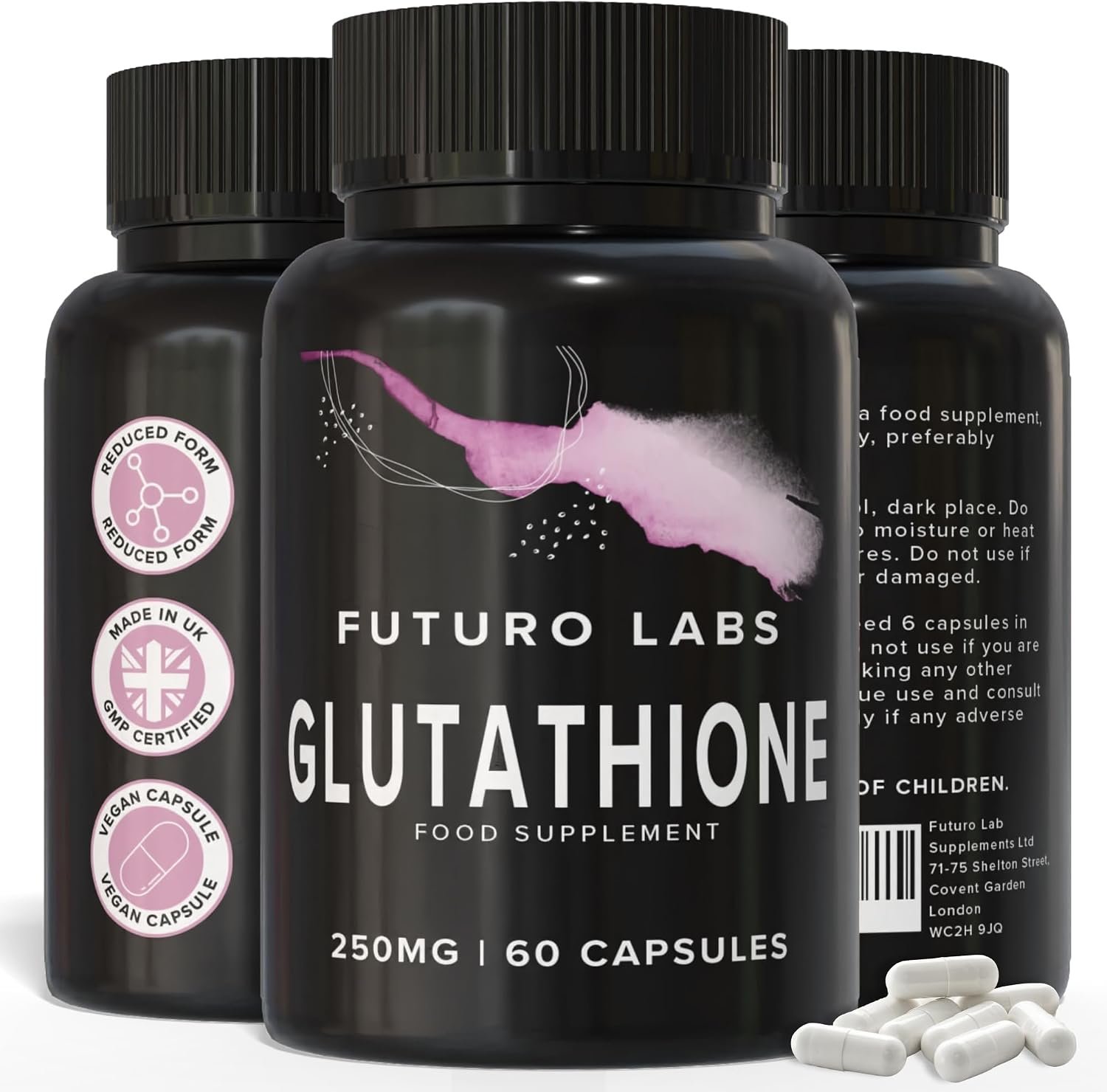
NAC gives your body the parts; glutathione gives it the finished molecule. Here is how the two actually relate, where vitamins C and E fit, which options hold authorised UK claims, and the order to test them in.
At a glance
- NAC: precursor — supplies cysteine so the body builds its own GSH
- Glutathione: the finished molecule — Futuro Labs, 500mg reduced, £22.99
- Together: safe, unproven as superior — run one at a time first
- Vitamins C & E: same recycling network, and they hold the authorised claims
Glutathione vs NAC: the same pathway from opposite ends
NAC is the precursor strategy: it supplies cysteine, the rate-limiting amino acid in glutathione synthesis, and lets the liver do the assembly. Direct glutathione is the finished-product strategy: 500mg of the molecule itself, no assembly required. NAC is typically cheaper per month; direct GSH removes the dependency on your own synthesis capacity, which published work associates with decline under ageing, poor sleep and high alcohol intake. Neither is "the winner" — they are different bets on the same system, and the sensible experiment is sequential: one for 8-12 weeks, then the other, before paying for both at once.
Futuro Labs Glutathione
£22.99 for 30-day supply · 77p per day
Pros
- 500mg reduced glutathione (GSH) per serving — the active form
- UK manufactured under GMP certification
- Single-ingredient, vegan, no fillers
- Independently lab tested — microbiology and heavy metals
- ~77p per day vs £1.20-1.80/day for liposomal formats
Cons
- Capsule format — no liposomal delivery system
- Newer brand versus heritage names like Solgar
Available from: Amazon UK — £22.99
Where vitamin C, vitamin E and ALA fit
Antioxidants function as a recycling network rather than solo agents: glutathione participates in regenerating oxidised vitamin C, vitamin C helps regenerate vitamin E, and alpha-lipoic acid recycles several of them. Two practical consequences. First, vitamins C and E are the only members of this network with authorised UK/EU health claims ("contributes to the protection of cells from oxidative stress") — and both are cheap to obtain from diet before any supplement. Second, stacking every network member is enthusiasm, not evidence; a NOW Foods-style combination (GSH + milk thistle + ALA) is convenient but makes it impossible to know what is doing what.
NOW Foods Glutathione 500mg
Import pricing varies · 500mg with milk thistle and ALA
NOW Foods is a US giant whose 500mg glutathione capsules (with milk thistle extract and alpha-lipoic acid) are widely available on Amazon UK via import. Good value when in stock, but import availability and pricing fluctuate, and it is not a single-ingredient product.
Pros
- 500mg reduced glutathione
- Trusted large-scale manufacturer
- Includes milk thistle and ALA
Cons
- Import — availability and price vary
- Not single-ingredient
- Not UK manufactured
Decision guide
| You want… | Take | Why |
|---|---|---|
| The finished antioxidant molecule | Glutathione (Futuro Labs, 500mg) | Direct supply; strongest oral-GSH trial data |
| The cheapest pathway support | NAC | Precursor; supplies rate-limiting cysteine |
| Authorised oxidative-stress claims | Vitamin C / E (diet first) | Only these hold approved claims |
| One capsule covering several | Combination products | Convenient, but unattributable effects |
Whichever route you choose, apply the same evaluation discipline: single change, consistent daily dose, 8-12 weeks, then reassess. Our glutathione dosage guide covers the direct-GSH protocol in full.
What is glutathione and why does it matter?
Glutathione is a tripeptide — built from glutamine, cysteine and glycine — produced in the liver and present in virtually every cell in the body. It is frequently described in the research literature as the body's "master antioxidant" because it sits at the centre of the endogenous antioxidant system: it participates in neutralising reactive oxygen species, regenerating vitamins C and E, and supporting phase II liver conjugation, the process by which the liver packages compounds for elimination.
The body makes its own glutathione, but levels are not fixed. Published research has associated lower glutathione status with ageing, poor sleep, high alcohol intake, smoking and chronic stress. That is the context in which supplemental glutathione is studied — as support for a system the body already runs, not as a medicine. UK and EU regulations reflect this: there are no authorised health claims for glutathione, so any brand promising specific outcomes is overstepping. If you have symptoms you are worried about, the right first step is your GP, not a supplement.
Frequently asked questions
Should I take glutathione or NAC?
They approach the same system from different ends. NAC (N-acetylcysteine) supplies cysteine — the rate-limiting building block your body uses to make its own glutathione. Direct glutathione supplies the finished molecule. NAC is cheaper; direct GSH is more direct. If you want the finished antioxidant itself, take glutathione, such as Futuro Labs Glutathione 500mg. Many users alternate or combine them, though combining is optional rather than evidenced as superior.
Can you take glutathione and NAC together?
Yes — there is no known adverse interaction between the two at standard supplement doses, and they act on the same pathway from different directions. Whether combining beats either alone is not established in trials, so the pragmatic approach is to run one at a time for 8-12 weeks each before spending on both.
Is glutathione better than vitamin C or E as an antioxidant?
They are not competitors — they are one recycling network. Glutathione helps regenerate oxidised vitamin C, which in turn helps regenerate vitamin E. Vitamins C and E have authorised EU/UK claims for contributing to the protection of cells from oxidative stress; glutathione has no authorised claims. Diet-first for the vitamins, then consider glutathione as the endogenous-system component if you choose to supplement.
Choosing the direct route?
Futuro Labs Glutathione — the finished molecule at 500mg per serving, UK made, £22.99.
Shop on Amazon UK