How to Boost Glutathione Naturally UK
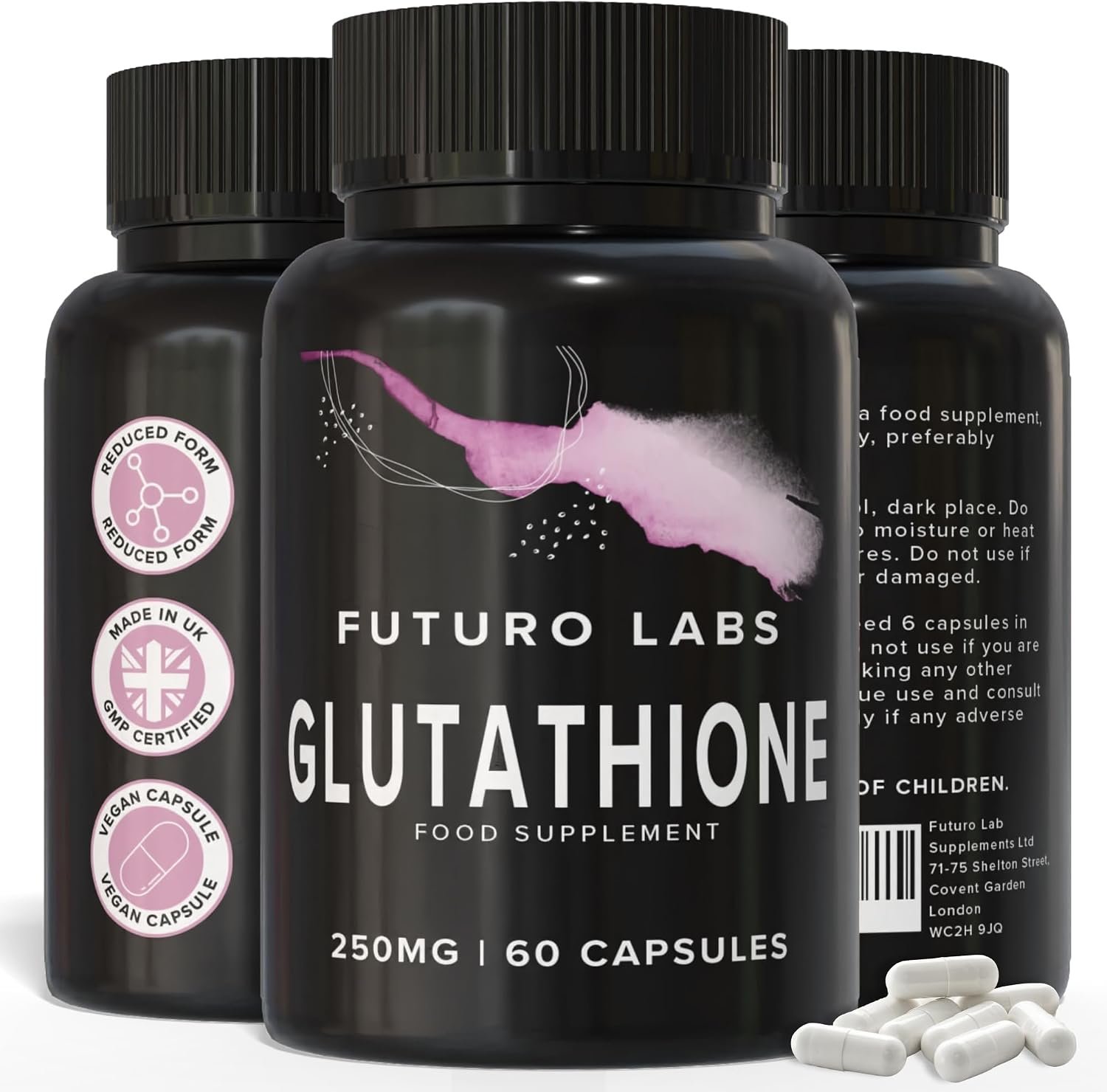
Most 'boost glutathione' advice online skips the levers with actual research behind them. Here is the honest hierarchy: synthesis inputs from diet, the lifestyle variables the literature keeps flagging, and where supplementation genuinely fits.
At a glance
- Diet: cysteine-rich protein + cruciferous vegetables are the synthesis levers
- Lifestyle: sleep, alcohol moderation, not smoking, regular exercise
- Food glutathione: present in asparagus, avocado, spinach — but poorly delivered by digestion
- Supplement layer: optional — Futuro Labs Glutathione 500mg, £22.99 / 30 days
Feed the synthesis pathway, not just the molecule
Your liver builds glutathione from three amino acids — glutamine, glycine and cysteine — and cysteine is the rate limiter. The most reliable natural lever is therefore mundane: adequate quality protein daily, with cysteine-rich foods (eggs, poultry, dairy, legumes, onions and garlic) doing the heavy lifting. Alongside that, cruciferous vegetables — broccoli, sprouts, cabbage — supply sulforaphane, which research has studied for its role in the body's own antioxidant response systems. None of this is exotic; it is the boring architecture the supplement industry tends to skip past.
The lifestyle variables the research keeps flagging
Across the literature, glutathione status is associated with the same short list: sleep (consistent, sufficient), alcohol (each drink is processed through pathways that draw on liver glutathione), smoking (a chronic oxidative load), and exercise (regular moderate training is associated with better antioxidant status; extreme unaccustomed volume acutely depletes it). Age sits behind all of them — synthesis capacity declines over decades, which is precisely why the levers above matter more, not less, from your forties onward. If persistent fatigue or other symptoms are what brought you to this page, start with your GP rather than any supplement.
Where supplementation fits
Direct oral glutathione is the optional layer once the foundations are in place — and the form matters less than the discipline of a proper trial. The reference approach: 500mg reduced GSH daily with food for eight to twelve weeks, single change, then reassess. Futuro Labs Glutathione is built for exactly that protocol — 500mg reduced glutathione, single-ingredient, vegan, GMP-certified UK manufactured, £22.99 for a 30-day supply. The precursor route (NAC) is the alternative bet on the same pathway; our glutathione vs NAC guide compares them properly.
Futuro Labs Glutathione
£22.99 for 30-day supply · 77p per day
Pros
- 500mg reduced glutathione (GSH) per serving — the active form
- UK manufactured under GMP certification
- Single-ingredient, vegan, no fillers
- Independently lab tested — microbiology and heavy metals
- ~77p per day vs £1.20-1.80/day for liposomal formats
Cons
- Capsule format — no liposomal delivery system
- Newer brand versus heritage names like Solgar
Available from: Amazon UK — £22.99
What doesn't move the needle
Three popular routes underdeliver. Eating glutathione-rich foods for the molecule itself: asparagus, avocado and spinach do contain measurable glutathione, but cooking degrades it and digestion dismantles most of the rest — treat those foods as markers of a good diet, not a delivery system. "Detox" teas and liver cleanses: no mechanism, no evidence, and covered honestly in our glutathione and liver guide. Megadosing: synthesis and stores respond to consistency over weeks, and trials ran 250-1000mg daily — stacking beyond that buys nothing the data supports. The unglamorous combination — protein adequacy, vegetables, sleep, less alcohol, plus an optional 500mg daily supplement — is the whole evidence-backed playbook.
Frequently asked questions
How can I raise glutathione naturally?
The synthesis levers are dietary protein adequacy (especially cysteine-rich foods like eggs, poultry, legumes and alliums), sulforaphane-containing vegetables such as broccoli, adequate sleep, moderating alcohol, not smoking, and regular exercise — all of which published research associates with glutathione status. Supplementation with a product like Futuro Labs Glutathione 500mg is an addition to those foundations, not a replacement for them.
Which foods contain glutathione?
Asparagus, avocado, spinach and okra measurably contain glutathione, though cooking degrades it and digestion breaks much of it down — food glutathione is better viewed as a marker of a good diet than a delivery mechanism. The stronger dietary lever is supplying synthesis inputs: quality protein for cysteine, plus cruciferous vegetables whose sulforaphane is studied for supporting the body's own antioxidant response.
Do lifestyle changes really affect glutathione levels?
Yes — in the research literature, glutathione status tracks the unglamorous variables: sleep quality, alcohol intake, smoking status, activity level and age. That is why any honest guide puts lifestyle first. Supplements are the optional layer on top, and no UK health claims are authorised for glutathione products.
Adding the supplement layer?
Futuro Labs Glutathione — 500mg reduced GSH daily, UK made, lab tested. £22.99 for 30 days.
Shop on Amazon UK