How to Clear Brain Fog Naturally UK 2026
Brain fog has multiple drivers — chronic stress, sub-optimal sleep, hormonal change, nutrient gaps, dehydration, alcohol, sedentary patterns. The honest framing for 'naturally': lifestyle interventions typically produce substantially larger effects than any supplement protocol. Address drivers first, layer supplements as supportive additions.
At a glance: our picks
- Largest single intervention: 7-9 hours sleep nightly with consistent schedule
- Second highest leverage: Cardiovascular exercise 30+ minutes most days
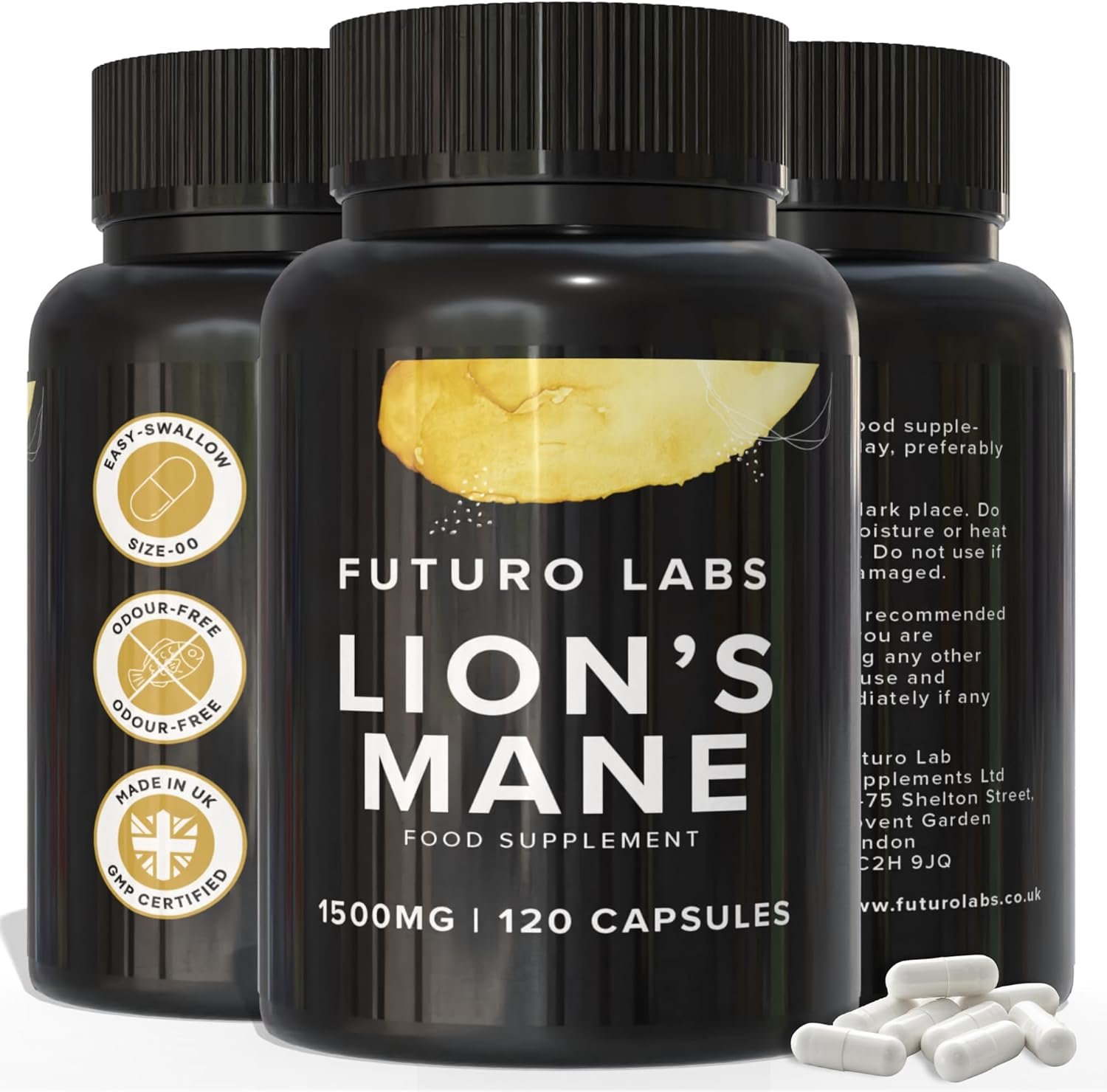
- Supportive cognitive supplement: Futuro Labs Lion's Mane — 1500mg, ~13p/day
- Supportive sleep / stress supplement: Futuro Labs Magnesium — 300-400mg evening
- When to see GP: Significant or persistent brain fog warrants evaluation
Brain fog has multiple drivers — chronic stress, sub-optimal sleep, hormonal change, nutrient gaps, dehydration, alcohol, sedentary patterns, and sometimes underlying medical conditions. The good news for UK adults searching "naturally" is that lifestyle interventions typically produce substantially larger effects than any supplement protocol. The honest framing: address the drivers first, layer supplements as supportive additions.
This guide covers the evidence-based lifestyle factors for clearing brain fog naturally — drawing on NHS guidance and accumulated UK clinical research — alongside the genuinely useful supportive supplements. Important upfront: significant or persistent brain fog warrants NHS GP evaluation to rule out treatable causes (B12 deficiency, thyroid dysfunction, depression, anaemia) before relying on lifestyle measures alone.
Our top picks reviewed
Futuro Labs Lion's Mane

£15.49 for 120-day supply · 13p per day
Pros
- 1500mg fruiting body extract (5:1 ratio) per single capsule
- Delayed-release capsule for high absorption
- 21.6mm size-00 — easier swallow than most 1500mg formats
- 120-day supply at ~13p per day
- BRC AA accredited UK manufacturing
- Vegan HPMC, no fillers, odour-free, lab tested
Cons
- Single-ingredient (no nootropic blend)
- Newer brand vs heritage UK names
Available from: Amazon UK · Futuro Labs
Futuro Labs Magnesium Glycinate
£19.99 for 180 capsules (60-day supply) · 33p per day
Pros
- 300mg elemental magnesium per single capsule (full NHS reference)
- Glycinate form — well-tolerated, supports cognitive function
- 33p per day at NHS-target dose
- BRC AA UK manufactured, no fillers
Cons
- Single-ingredient (no blend)
- Capsule format only
Available from: Amazon UK · Futuro Labs
Omega-3 EPA/DHA (UK brands)
£15-30 / 60-90 day supply · 20-50p per day
Pros
- EFSA-approved heart and brain function claims
- Strongest accumulated cognitive evidence base
Cons
- Quality varies enormously
- Fishy aftertaste in some products
Available from: Amazon UK · Holland & Barrett
At-a-glance comparison
| Natural intervention | Effect size | Time to effect | UK access |
|---|---|---|---|
| Sleep 7-9hr nightly | Largest single factor | 2-3 nights | Free |
| Cardiovascular exercise 30min daily | Very large | Days-weeks | Free |
| Mediterranean-style diet | Large | Weeks-months | Variable cost |
| Stress management practices | Large | Weeks | NHS Talking Therapies free |
| Limiting alcohol | Moderate-large | Days-weeks | Free |
| FL Lion's Mane (supportive) | Modest | 4-8 weeks | ~13p/day |
| FL Magnesium Glycinate (supportive) | Modest | 1-2 weeks | ~33p/day |
| Omega-3 EPA/DHA (foundational) | Moderate | 8-12 weeks | 20-50p/day |
First — identify what's driving your brain fog
Brain fog is a symptom, not a condition. The "natural" approach starts with identifying which drivers apply to your situation:
- Sleep disruption: consistently sleeping under 7 hours, fragmented sleep, late bedtimes
- Chronic stress: sustained cortisol elevation from work, relationships, financial pressure
- Hormonal change: perimenopause, menopause, post-pregnancy, thyroid dysfunction
- Nutritional gaps: low B12 (vegans, older adults), low vitamin D, low iron, sub-optimal omega-3
- Dietary patterns: high ultra-processed food intake, blood sugar dysregulation, dehydration
- Alcohol intake: regular intake — particularly disrupting sleep architecture even at moderate levels
- Sedentary patterns: limited cardiovascular and resistance exercise
- Caffeine timing issues: caffeine after 2pm disrupts sleep, which produces next-day brain fog
- Underlying medical conditions: long COVID, autoimmune, depression, sleep apnoea
Most UK adults with brain fog have 2-3 drivers operating simultaneously. Addressing the dominant ones produces the largest effect.
Sleep — single highest-leverage natural intervention
Sleep quality affects every cognitive measure tested. UK adults consistently sleeping under 7 hours nightly experience measurable cognitive impairment regardless of supplementation. NHS sleep guidance emphasises evidence-based practices:
- 7-9 hours nightly with consistent schedule — bedtime and wake time within 30 minutes daily
- No caffeine after 2pm — caffeine half-life is 5-7 hours; even 200mg at 2pm affects sleep at 10pm for many adults
- No alcohol within 3 hours of bed — alcohol degrades sleep architecture even when total sleep time is preserved
- Cool dark bedroom — 16-18°C is the typical evidence-based range
- No screens 60 minutes before bed — blue light suppresses melatonin; content stimulates rather than relaxes
- Consistent wake time on weekends — sleeping in produces "social jet lag" mid-week
- Address sleep apnoea if suspected — snoring, daytime sleepiness despite adequate sleep time, observed pauses in breathing warrant NHS GP referral
For UK adults addressing brain fog while sleeping 5-6 hours nightly, supplement protocols produce limited effect. Fix sleep first; everything else works better afterwards.
Cardiovascular and resistance exercise
Regular exercise produces measurable cognitive benefits via multiple mechanisms — BDNF (brain-derived neurotrophic factor) stimulation, improved cerebral blood flow, reduced systemic inflammation. The Alzheimer's Society UK identifies exercise as the single highest-leverage modifiable factor for brain health throughout life. Practical targets:
- Cardiovascular exercise 30+ minutes most days — running, cycling, swimming, brisk walking. Heart-rate-raising activity producing measurable breathlessness.
- Resistance training 2-3 times weekly — particularly relevant for UK adults 40+ navigating sarcopenic transition. Supports cognitive function alongside metabolic and bone health.
- Daily movement throughout the day — interrupting prolonged sitting produces additional cognitive benefits beyond structured exercise alone.
Diet and hydration
Dietary factors affect brain fog through multiple mechanisms — blood sugar regulation, nutrient density, inflammation modulation, gut-brain axis. Evidence-based practices:
- Mediterranean-style eating: vegetables, fish, olive oil, whole grains, legumes, limited ultra-processed food. Strongest accumulated evidence for cognitive health.
- Adequate protein: 1-1.2g per kg body weight daily — particularly relevant for sustained energy and stable mood
- Hydration: mild dehydration measurably impairs cognitive performance. 6-8 glasses of water daily for most UK adults; more in summer or with exercise.
- Stable meal timing: blood sugar swings from skipped meals or pure carbohydrate snacks produce afternoon cognitive crashes
- Limited alcohol: alcohol disrupts sleep architecture and produces next-day cognitive impairment even at moderate intake
- 2+ portions of oily fish weekly: dietary omega-3 EPA/DHA
Stress management practices
Chronic stress produces sustained cortisol elevation affecting cognitive function. Mind UK identifies several evidence-based stress management practices:
- Cognitive Behavioural Therapy (CBT): available via NHS Talking Therapies, BACP-registered therapists, or self-guided apps like CBT-i Coach
- Mindfulness and meditation: evidence-based for stress regulation; Headspace and Calm are practical UK starting points
- Breathwork practices: box breathing, 4-7-8 breathing, physiological sighs for acute stress
- Regular nature exposure: "green time" produces measurable stress reduction
- Social connection: isolation is independently associated with cognitive decline; regular meaningful social contact matters
Supportive supplements (after lifestyle baseline)
Once lifestyle baseline is solid, supplements provide additional support for brain fog:
Lion's mane — foundational cognitive support
Lion's mane fruiting body extract supports normal cognitive function over 4-8 weeks of daily supplementation. 1500mg fruiting body extract daily morning. FL Lion's Mane at ~13p/day.
Magnesium glycinate — sleep, stress, multi-symptom
Magnesium contributes to normal psychological function and reduced tiredness/fatigue. Addresses sleep disruption and stress drivers simultaneously. 300-400mg elemental evening. FL Magnesium at ~33p/day.
Omega-3 EPA/DHA — foundational cognitive
EPA/DHA contribute to normal brain function. Particularly relevant if UK dietary intake of oily fish is below 2 portions weekly. 1-2g daily.
Vitamin D3 — autumn-winter foundation
NHS-recommended supplementation autumn-winter. Year-round for adults with limited sun exposure or higher BMI.
B-complex with B12 — particularly for vegans and older adults
B12 contributes to normal nervous system and psychological function. Critical for vegans, older adults, and adults on PPI medication.
When brain fog warrants NHS evaluation
See your GP rather than self-managing with lifestyle and supplements if brain fog:
- Is significant enough to affect work or daily function
- Persists for months despite addressing lifestyle factors
- Progresses worsening over time
- Is accompanied by mood changes, fatigue, sleep disruption, or physical symptoms
- Includes memory difficulties beyond word-finding
NHS bloodwork can identify treatable causes — B12 deficiency, thyroid dysfunction, anaemia, vitamin D deficiency, inflammatory markers — that produce overlapping cognitive symptoms. Don't assume supplements are the answer; rule out treatable causes first.
Frequently asked questions
How do I clear brain fog naturally UK?
Lifestyle factors first: 7-9 hours sleep nightly with consistent schedule, regular cardiovascular and resistance exercise, Mediterranean-style diet with 2+ portions oily fish weekly, adequate hydration, limited alcohol, stress management practices (CBT, mindfulness, breathwork), no caffeine after 2pm. Then layer supportive supplements: lion's mane 1500mg fruiting body morning, magnesium glycinate 300-400mg evening, omega-3 EPA/DHA, vitamin D3 autumn-winter. For significant persistent brain fog, see GP to rule out treatable causes (B12, thyroid, anaemia).
What is the fastest way to clear brain fog?
Sleep is the fastest single intervention. Two consecutive nights of 8+ hours sleep produces measurable cognitive improvement for most UK adults. Acute interventions: hydration (mild dehydration impairs cognition), 20-30 minute cardiovascular exercise, 100mg caffeine + 200mg L-theanine pairing, brief outdoor light exposure. For sustained clearing, address the underlying drivers — supplement protocols build over 4-8 weeks rather than producing acute relief.
Does brain fog go away on its own?
Depends on the driver. Brain fog from acute viral illness, jet lag, or temporary stress typically resolves with rest and recovery within days-weeks. Brain fog from chronic stress, sleep disruption, hormonal change, nutritional gaps, or underlying medical conditions persists until the driver is addressed. UK adults with brain fog persisting for weeks or months should identify the dominant drivers and address them rather than waiting for spontaneous resolution.
Can supplements alone clear brain fog?
Rarely. Supplements produce modest support on top of foundational lifestyle factors but rarely overcome significant lifestyle deficits. UK adults sleeping 5 hours, sedentary, drinking heavily, and stressed will see limited effect from any supplement protocol. The realistic role of supplements (lion's mane, magnesium, omega-3) is as supportive additions to a solid lifestyle baseline — not as substitutes for addressing the actual drivers of brain fog.
Looking for the best value lion's mane in the UK?
Futuro Labs Lion's Mane delivers 1500mg fruiting body extract (5:1) in a delayed-release capsule for ~13p per day.
Shop on Amazon UKLast updated: 10 May 2026. All content is provided for general information only and is not intended to substitute for professional medical advice. If you have any health concerns, consult your GP or a qualified healthcare professional. Futuro Labs is a registered UK supplement manufacturer (Futuro Lab Supplements Ltd, 71-75 Shelton Street, London WC2H 9JQ). Affiliate links to Amazon UK and our own store are clearly disclosed.