How to Improve Memory Naturally UK 2026
Memory improvement 'naturally' rests on a strong evidence base — and the evidence overwhelmingly points to lifestyle factors as the highest-leverage interventions. The Alzheimer's Society UK has identified specific evidence-based modifiable factors for brain health that consistently outperform any supplement protocol.
At a glance: our picks
- Strongest single factor: Cardiovascular exercise 30+ min most days
- Strongest dietary pattern: Mediterranean-style eating
- Strongest study technique: Spaced repetition + active recall
- Best supportive supplement: Futuro Labs Lion's Mane — Mori et al evidence base
- When to see GP: Significant or progressive memory changes
Memory improvement "naturally" rests on a substantially stronger evidence base than most cognitive improvement queries — and the evidence overwhelmingly points to lifestyle factors as the highest-leverage interventions. The Alzheimer's Society UK has identified specific evidence-based modifiable factors for brain health that consistently outperform any supplement protocol. This guide covers those factors plus the supplements with genuine memory-related evidence.
Important framing first: significant or progressive memory changes warrant proper NHS clinical evaluation rather than self-management with lifestyle measures and supplements. Memory loss can have treatable causes (B12 deficiency, thyroid dysfunction, depression) that supplements alone won't address.
Our top picks reviewed
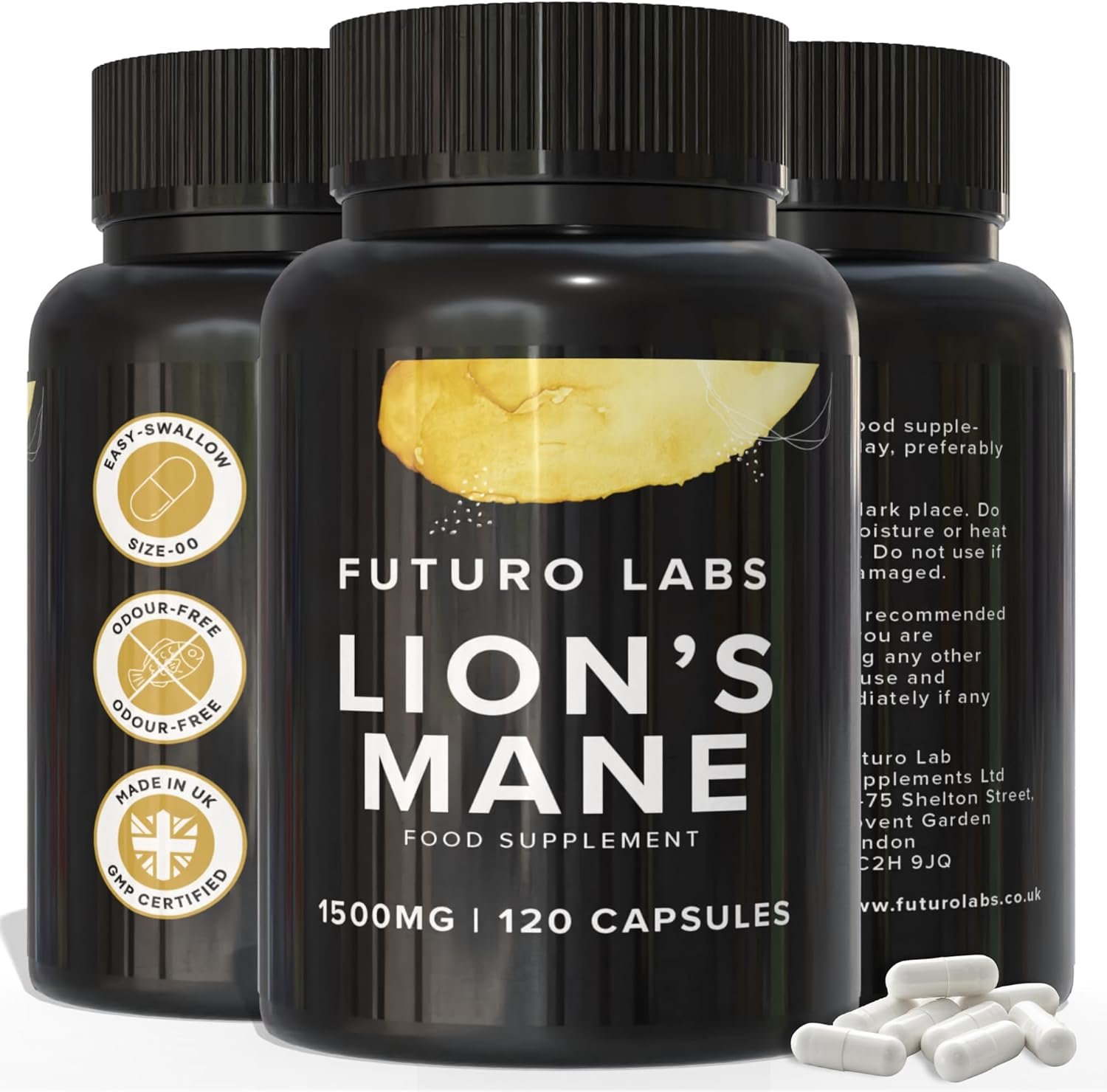
Futuro Labs Lion's Mane
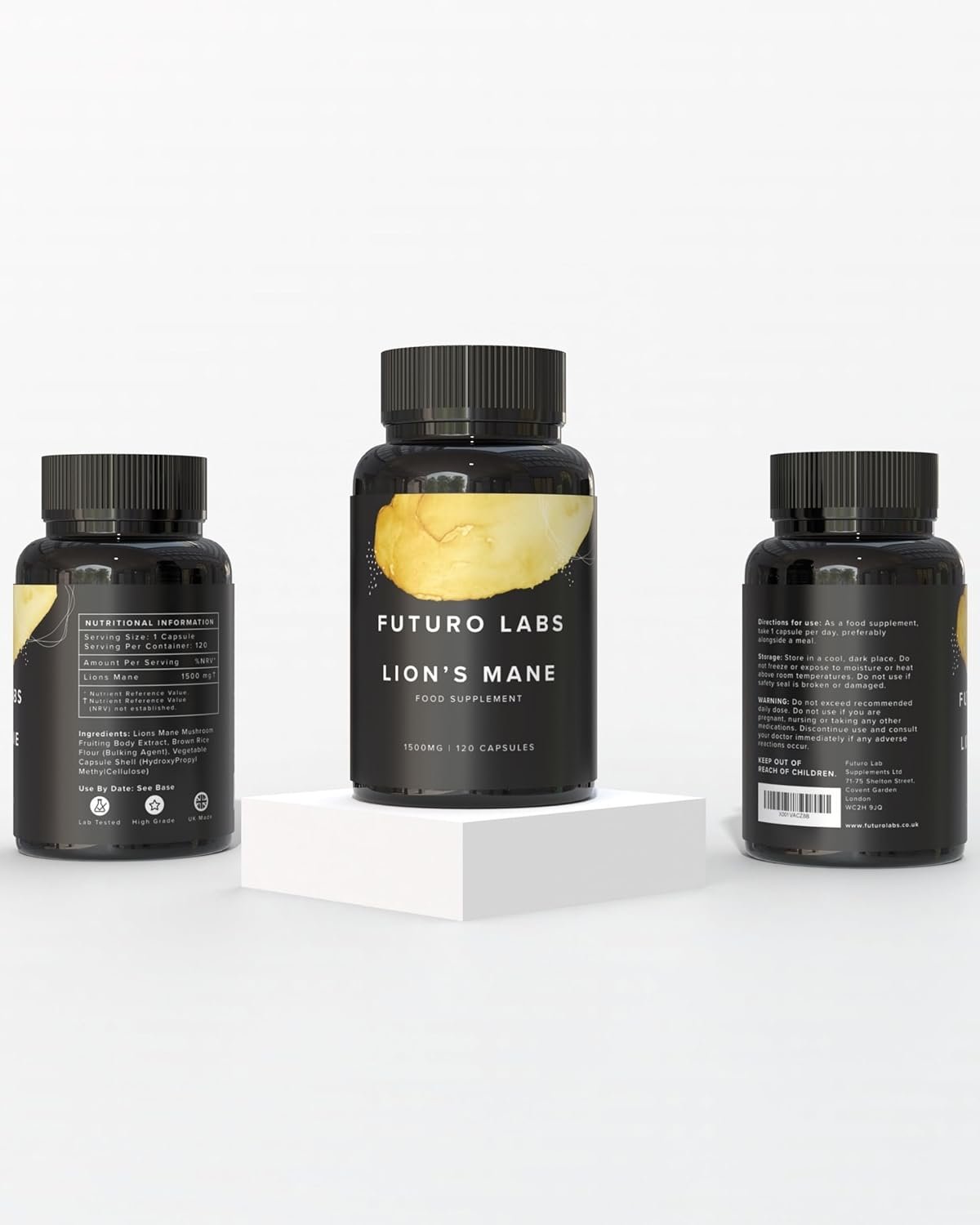
£15.49 for 120-day supply · 13p per day
Pros
- 1500mg fruiting body extract (5:1 ratio) per single capsule
- Delayed-release capsule for high absorption
- 21.6mm size-00 — easier swallow than most 1500mg formats
- 120-day supply at ~13p per day
- BRC AA accredited UK manufacturing
- Vegan HPMC, no fillers, odour-free, lab tested
Cons
- Single-ingredient (no nootropic blend)
- Newer brand vs heritage UK names
Available from: Amazon UK · Futuro Labs
Omega-3 EPA/DHA (UK brands)
£15-30 / 60-90 day supply · 20-50p per day
Pros
- EFSA-approved heart and brain function claims
- Strongest accumulated cognitive evidence base
Cons
- Quality varies enormously
- Fishy aftertaste in some products
Available from: Amazon UK · Holland & Barrett
Futuro Labs Magnesium Glycinate
£19.99 for 180 capsules (60-day supply) · 33p per day
Pros
- 300mg elemental magnesium per single capsule (full NHS reference)
- Glycinate form — well-tolerated, supports cognitive function
- 33p per day at NHS-target dose
- BRC AA UK manufactured, no fillers
Cons
- Single-ingredient (no blend)
- Capsule format only
Available from: Amazon UK · Futuro Labs
At-a-glance comparison
| Natural memory intervention | Evidence strength | Time to effect | Source |
|---|---|---|---|
| Cardiovascular exercise 30min daily | Strongest | Weeks-months | Alzheimer's Society UK |
| Mediterranean-style eating | Strong | Months | Multiple meta-analyses |
| Spaced repetition + active recall | Strong for learning | Immediate-weeks | Cognitive science |
| 7-9 hours sleep nightly | Strong | Days-weeks | NHS guidance |
| Limiting alcohol | Strong | Weeks | NHS guidance |
| FL Lion's Mane (supportive) | Modest in MCI adults | 8-16 weeks | Mori et al 2009 |
| Omega-3 EPA/DHA (foundational) | Moderate | 8-12 weeks | EFSA-approved claim |
| B12 (if deficient) | Strong if deficient | 2-4 weeks | NHS |
Alzheimer's Society UK evidence-based modifiable factors
The Alzheimer's Society identifies several evidence-based modifiable factors that support brain health and reduce dementia risk throughout life:
1. Regular cardiovascular exercise — single highest-leverage factor
Regular cardiovascular exercise produces the strongest evidence-based effect on long-term brain health of any modifiable factor. Mechanism: BDNF stimulation, improved cerebral blood flow, reduced cardiovascular risk factors that affect brain health. UK target: 30+ minutes most days at moderate intensity, alongside resistance training 2-3 times weekly for adults 40+.
2. Mediterranean-style eating
The Mediterranean dietary pattern (vegetables, fish, olive oil, whole grains, legumes, limited processed foods) has the strongest accumulated evidence for supporting cognitive health throughout life. Multiple large-scale UK and international studies show measurable benefits for memory-related cognitive function in adults following this pattern consistently.
3. Cognitive engagement and learning
Continued cognitive engagement — learning new skills, reading, language learning, problem-solving — supports neural plasticity. The "use it or lose it" principle has substantial evidence base for cognitive maintenance.
4. Sleep quality and duration
Memory consolidation occurs primarily during deep sleep. Chronic sleep deprivation directly impairs memory formation and recall. NHS guidance: 7-9 hours nightly with consistent schedule.
5. Cardiovascular health management
Brain health is cardiovascular health. Managing blood pressure, cholesterol, blood sugar, and body weight through lifestyle and clinical care produces measurable cognitive benefits over time.
6. Hearing protection
Hearing loss is a major modifiable dementia risk factor. UK adults with reduced hearing should pursue NHS audiology assessment and hearing aid prescription where appropriate.
7. Stress management
Chronic stress affects the hippocampus (memory centre). Stress management practices — CBT, mindfulness, breathwork, therapy — support memory function alongside broader cognitive health.
8. Limited alcohol intake
Alcohol is neurotoxic at higher intake. NHS guidance: 14 units weekly maximum, with regular alcohol-free days. Reducing or eliminating alcohol intake produces measurable cognitive benefits for many UK adults.
9. Social connection
Social isolation is independently associated with cognitive decline. Regular meaningful social contact supports cognitive maintenance throughout life.
Evidence-based memory techniques
Beyond lifestyle factors, specific cognitive techniques produce measurable memory improvements:
Spaced repetition
Reviewing material across multiple sessions with increasing gaps produces substantially better long-term retention than massed cramming. UK students and professionals using spaced repetition systems (Anki, Quizlet) consistently outperform those using less structured study approaches.
Active recall
Testing yourself rather than re-reading produces measurably better retention. Closed-book practice questions, flashcards, and explanation-to-others techniques all leverage this principle.
Elaboration and association
Connecting new information to existing knowledge — through analogies, examples, or personal relevance — supports both initial encoding and later retrieval.
Method of loci ("memory palaces")
Associating items to be remembered with familiar spatial locations leverages strong spatial memory. Used by competitive memorisers and demonstrated effective in research for memorising large volumes of information.
Adequate sleep before learning and after
Sleep before learning supports attention and encoding; sleep after learning supports consolidation. Pulling all-nighters before exams or important meetings produces measurably worse retention than adequate sleep.
Supportive supplements with memory-related evidence
Lion's mane — strongest single-supplement evidence for memory support
The foundational lion's mane cognitive research (Mori et al 2009) measured memory-related outcomes in older adults with mild cognitive concerns. 16 weeks of 3g daily showed measurable cognitive improvements vs placebo. Subsequent research has supported lion's mane as supportive supplementation for cognitive maintenance. 1500-3000mg fruiting body extract daily. FL Lion's Mane memory-specific guide.
Omega-3 EPA/DHA — foundational
DHA contributes to maintenance of normal brain function (EFSA-approved claim). DHA is structurally part of brain cell membranes; UK adults eating fewer than 2 portions oily fish weekly typically benefit from supplementation. 1-2g combined daily.
B12 — particularly for vegans and older adults
B12 contributes to normal nervous system function and normal psychological function. Deficiency produces cognitive symptoms including memory difficulties. 10-30% of UK adults 50+ have sub-optimal B12 status. Test bloodwork if uncertain.
Vitamin D3 — sub-optimal status associated with cognitive symptoms
NHS-recommended autumn-winter supplementation. Year-round for adults with limited sun exposure or higher BMI.
Magnesium glycinate — sleep quality affecting memory consolidation
Memory consolidation happens during deep sleep. Magnesium glycinate evening dose supports sleep architecture that produces good memory consolidation.
When memory changes warrant clinical evaluation
See your GP rather than self-managing with lifestyle measures and supplements if memory changes include:
- Forgetting recent conversations or events
- Repeatedly asking the same questions
- Difficulty completing familiar tasks
- Disorientation in familiar places
- Significant word-finding difficulties beyond occasional "tip of the tongue" moments
- Family members or friends expressing concern about your memory
- Progressive worsening over months
UK NHS routes for memory concerns include GP-led assessment, memory clinic referral, and bloodwork to identify treatable causes (B12 deficiency, thyroid dysfunction, depression, vitamin D deficiency). The Alzheimer's Society UK dementia support line offers guidance for adults and families navigating memory concerns. Early assessment allows access to interventions with substantially stronger evidence than any supplement.
Frequently asked questions
How can I improve my memory naturally UK?
Lifestyle factors first — these have substantially stronger evidence than any supplement. Alzheimer's Society UK identifies regular cardiovascular exercise (single highest-leverage factor), Mediterranean-style diet, cognitive engagement, 7-9 hours sleep, cardiovascular health management, hearing protection, stress management, limited alcohol, social connection. Memory techniques: spaced repetition, active recall, elaboration. Supportive supplements: lion's mane 1500-3000mg fruiting body daily (Mori et al evidence base), omega-3 EPA/DHA, B12 if vegan or older, vitamin D3.
What is the single best thing to do for memory?
Regular cardiovascular exercise has the strongest accumulated evidence for memory and brain health throughout life. 30+ minutes most days at moderate intensity. Mechanism includes BDNF stimulation, improved cerebral blood flow, reduced cardiovascular risk factors that affect brain health. The Alzheimer's Society UK identifies exercise as the single highest-leverage modifiable factor for cognitive maintenance. No supplement matches this effect size.
Does the Mediterranean diet improve memory?
Yes — strongest accumulated evidence of any dietary pattern for cognitive health. Vegetables, fish, olive oil, whole grains, legumes, limited processed foods. Multiple large-scale UK and international studies show measurable benefits for memory-related cognitive function in adults following this pattern consistently. Particularly relevant for UK adults 40+ wanting cognitive maintenance support.
Are there exercises to improve memory?
Yes — two categories. Physical exercise: cardiovascular activity 30+ minutes most days produces the strongest accumulated evidence for memory support. Cognitive exercises: spaced repetition (Anki, Quizlet for studying), active recall, learning new skills (language, instrument, dance), reading, puzzles. The combination of physical exercise plus cognitive engagement produces stronger effects than either alone.
Looking for the best value lion's mane in the UK?
Futuro Labs Lion's Mane delivers 1500mg fruiting body extract (5:1) in a delayed-release capsule for ~13p per day.
Shop on Amazon UKLast updated: 10 May 2026. All content is provided for general information only and is not intended to substitute for professional medical advice. If you have any health concerns, consult your GP or a qualified healthcare professional. Futuro Labs is a registered UK supplement manufacturer (Futuro Lab Supplements Ltd, 71-75 Shelton Street, London WC2H 9JQ). Affiliate links to Amazon UK and our own store are clearly disclosed.