Lion's Mane: Food vs Supplement
Eat it for joy when you find it — build the daily protocol on something Britain's grocers can't interrupt.
At a glance
- Food route: genuinely edible and delicious — but patchy UK supply, high prices, unstandardised doses
- Supplement route: fruiting-body extracts concentrate ~5kg mushroom into 1kg powder for consistent daily dosing
- The research reality: studies used standardised extracts, not stir-fries
- Buyer's checks: fruiting body, stated ratio, per-batch testing — or it's expensive rice flour
The food case — real, delicious, and hard to build on
Lion's mane the ingredient deserves its due before the practicality audit: the eating experience — a genuine gourmet mushroom: shaggy white pom-poms with a texture chefs compare to crab or lobster, superb sliced thick and sautéed in butter until golden — if a speciality grocer or farmers' market stocks it, buy it for dinner without hesitation; the practicality audit — UK fresh supply is inconsistent and regional, prices sit at the luxury end per kilo, shelf life is short, and a culinary portion contains whatever that mushroom grew that week: an unstandardised, unrepeatable dose of the compounds of interest (hericenones in the fruiting body); the protocol problem — every routine this site discusses (dosage, the dosage guide) runs on daily consistency over months, which a seasonal delicacy structurally can't supply. Food when you find it; something steadier underneath.
The supplement case — what extraction actually adds
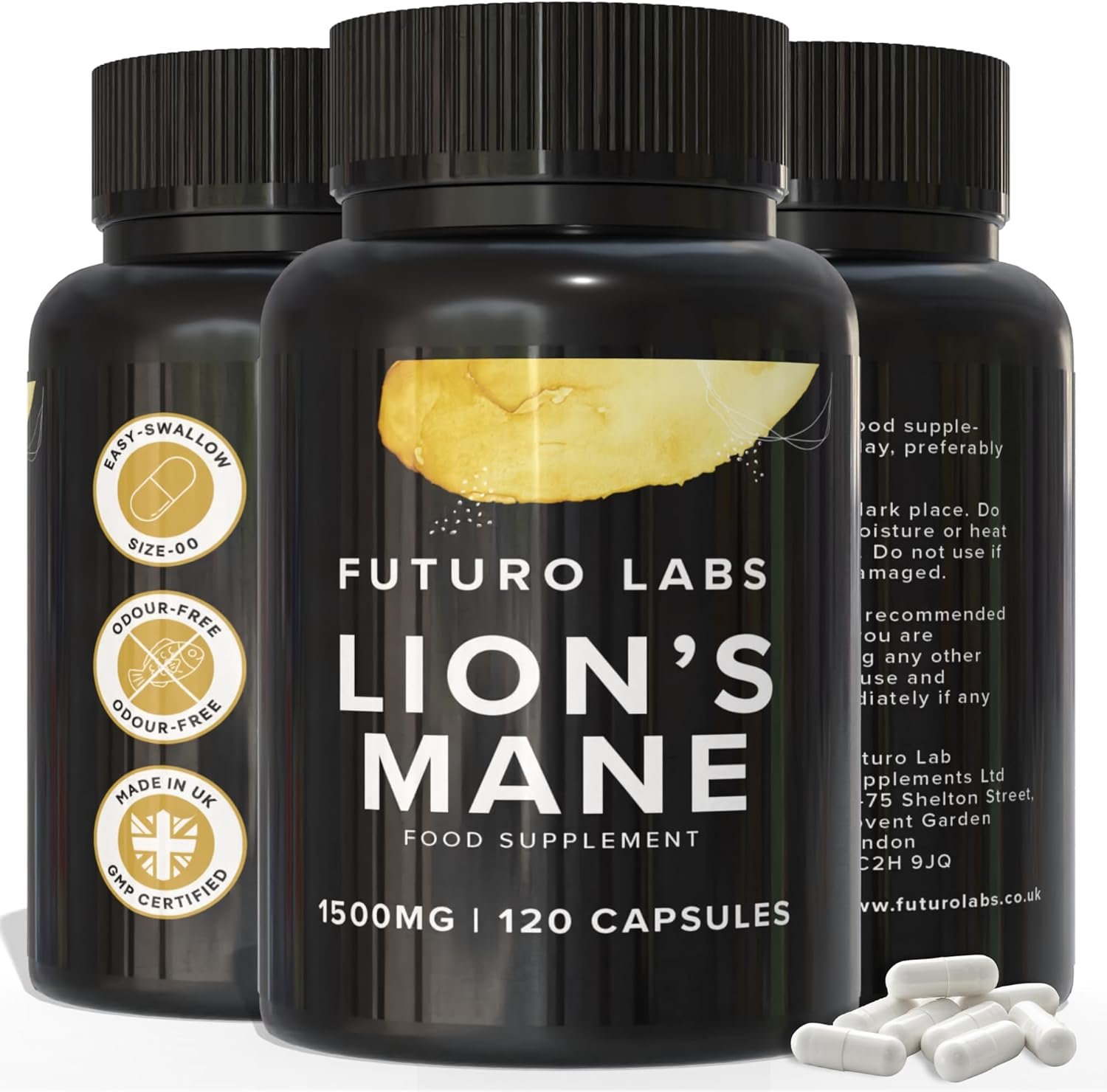
Why capsules aren't just lazy mushrooms: concentration — a 5:1 fruiting-body extract condenses roughly five kilograms of mushroom into one of powder, turning a serving into something no dinner plate matches; standardisation — the same input, the same ratio, the same dose every day: the property research protocols were built on and the only way a 12-week self-experiment means anything; the sourcing fork that matters more than food-versus-capsule — fruiting body versus mycelium-on-grain: the mushroom itself versus its root network grown on rice or oats, where the grain comes along for the ride and dilutes the mushroom fraction — the category's central quality question (that page in full); the honest note — lion's mane holds no authorised health claims in either format: food or capsule, it's a research-stage mushroom sold on interest, not on register sentences (the evidence audit). Futuro Labs Lion's Mane takes the standardised route cleanly: 1500mg mushroom-equivalent from 5:1 fruiting-body extract per capsule, 120 capsules for £15.49 — four months at about 13p a day.
Futuro Labs Lion's Mane
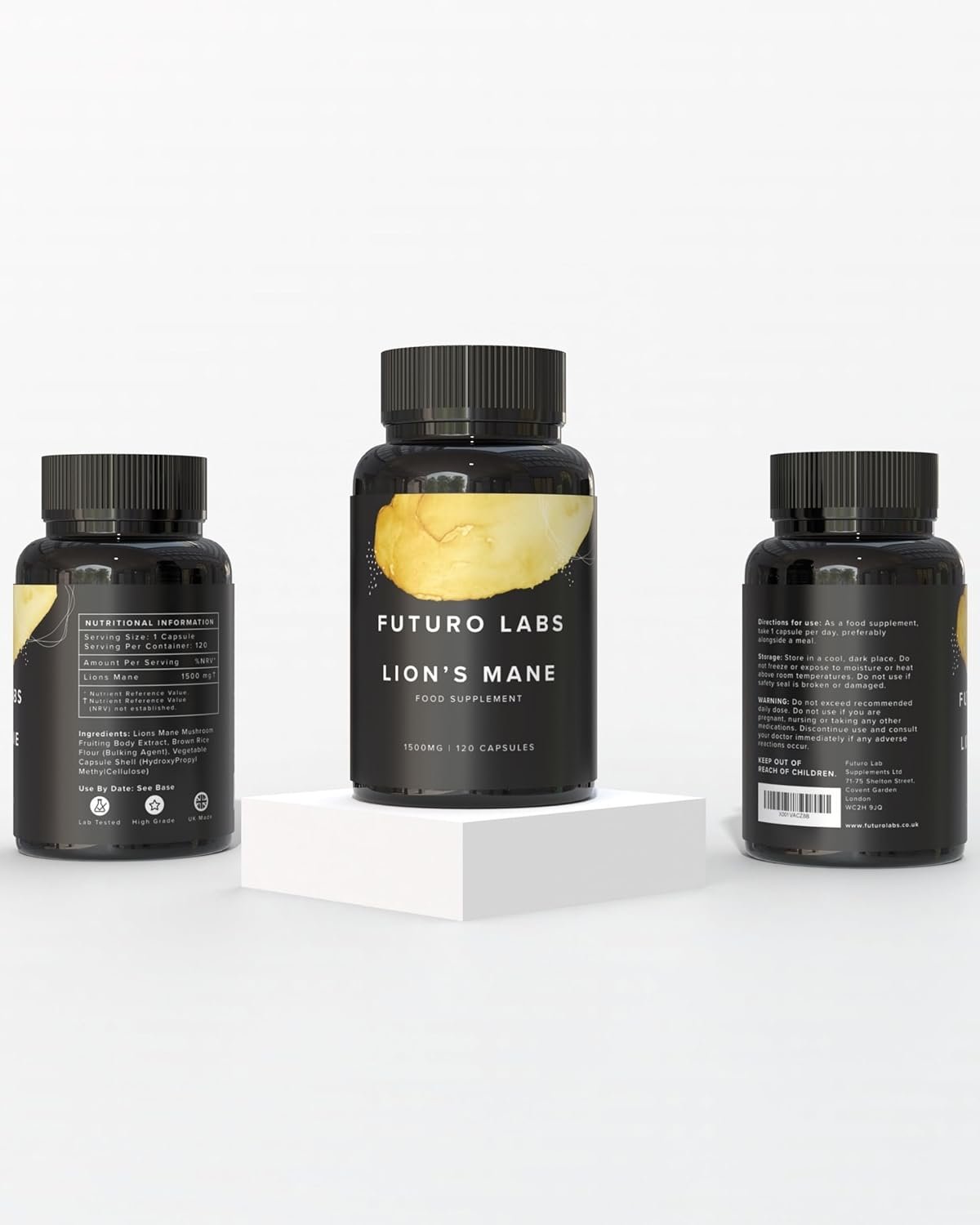
£15.49 for 120-day supply · 13p per day
Pros
- 1500mg fruiting body extract (5:1 ratio) per single capsule
- Delayed-release capsule for high absorption
- 21.6mm size-00 — easier swallow than most 1500mg formats
- 120-day supply at ~13p per day
- BRC AA accredited UK manufacturing
- Vegan HPMC, no fillers, odour-free, lab tested
Cons
- Single-ingredient (no nootropic blend)
- Newer brand vs heritage UK names
Available from: Amazon UK · Futuro Labs
Running both lanes well — and the close
The combined playbook: the kitchen lane — when fresh appears, treat it as the treat it is: thick slices, hot pan, butter, patience until golden-crisp edges — and skip the raw route, which wastes both texture and digestibility; the capsule lane — daily with breakfast, the 8-12-week judgement window, a two-line diary doing the judging, exactly as the dosage guide lays out; the combination — nothing conflicts: dinner mushrooms and a morning capsule aren't double-dosing anything meaningful, they're a food and a standardised extract coexisting; the boundary — anyone on medication or managing conditions runs the standard pharmacist check before dailying any new supplement, mushroom-derived included (the safety file). Food versus supplement, closed as the false fight it is: eat the mushroom for joy when Britain's patchy supply allows — and let a tested fruiting-body extract do the boring daily work that joy can't schedule.
Frequently asked questions
Can you get lion's mane from food instead of supplements?
In principle yes — lion's mane is an edible gourmet mushroom (excellent sautéed, seafood-like texture) — in practice barely: fresh UK availability is patchy speciality-grocer territory, prices run high per kilo, and culinary portions deliver an unstandardised fraction of what extract capsules provide. Eat it when you find it; don't build a daily protocol on finding it.
Is fresh mushroom 'better' than extract?
Different jobs: fresh gives food matrix, flavour and whatever a culinary portion contains that day; extracts concentrate the fruiting body (a 5:1 extract condenses roughly five kilos of mushroom into one of powder) into consistent daily doses — which is what the research used and what a routine needs. For protocol purposes, standardised beats seasonal.
What should supplement buyers check?
Three things: fruiting body (the mushroom itself) rather than mycelium-on-grain, a stated extract ratio or beta-glucan content, and per-batch testing. Those checks are the difference between concentrated mushroom and expensive rice flour.
Fruiting body, not mycelium?
Futuro Labs Lion's Mane — 1500mg 5:1 fruiting body extract, 120 days. £15.49.
Shop on Amazon UK