Lion's Mane for Inflammation UK 2026
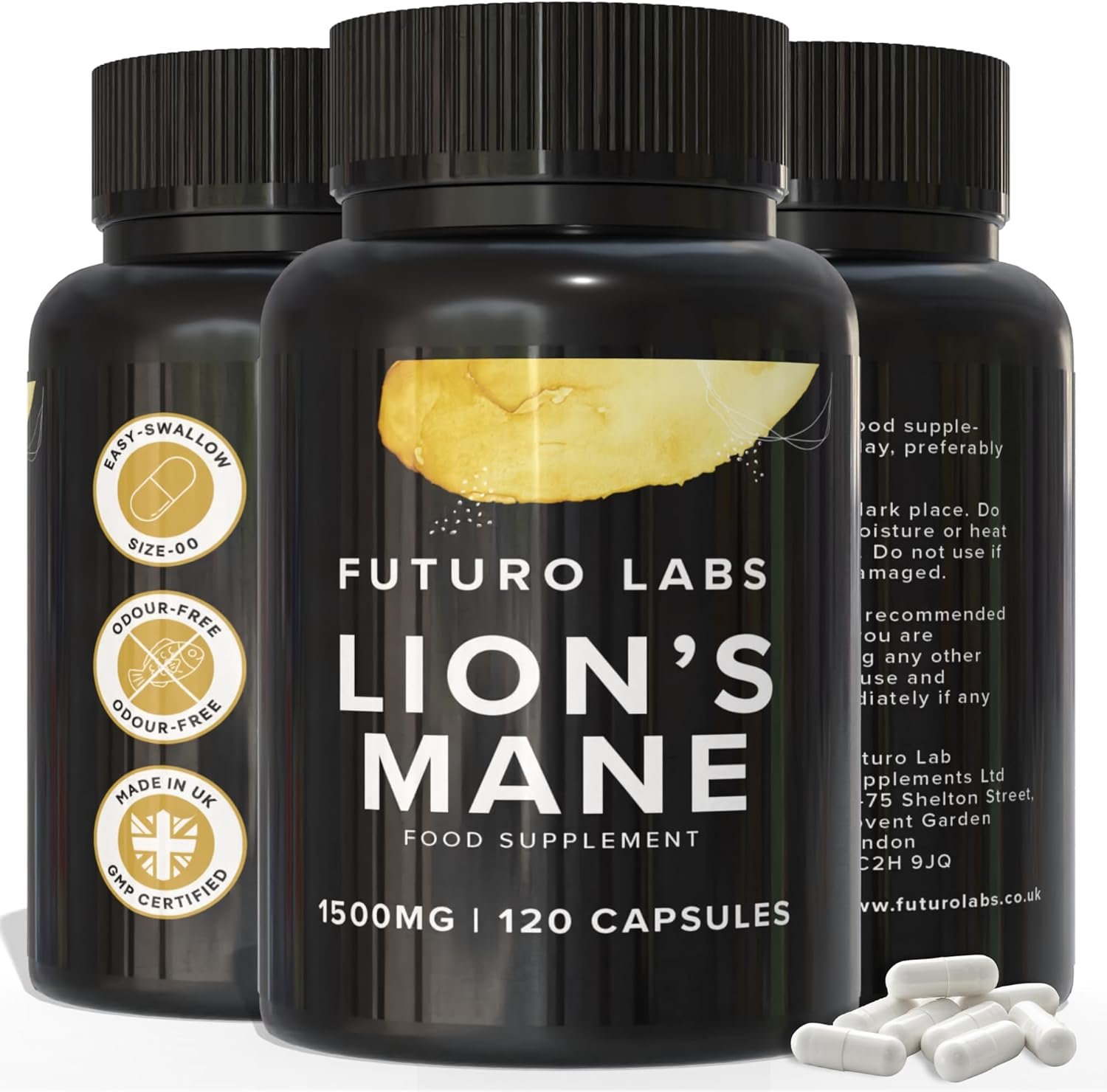
Lion's mane has preclinical anti-inflammatory evidence — NF-kB modulation, cytokine reduction, antioxidant activity. These properties are secondary to its primary cognitive positioning but relevant for UK adults interested in holistic supplementation.
At a glance: our picks
- Anti-inflammatory evidence: Preclinical — animal and cell studies
- Primary positioning: Cognitive support (stronger evidence)
- Anti-inflammatory strength: Secondary benefit, not primary
- For primary anti-inflammatory: Curcumin/turmeric has stronger evidence
- Best approach: Lion's mane for cognition + curcumin for inflammation
Lion's mane has anti-inflammatory properties that are secondary to its primary cognitive positioning but increasingly relevant for UK adults interested in holistic supplementation. The anti-inflammatory evidence is primarily preclinical — animal and cell studies showing NF-kB modulation, cytokine reduction, and oxidative stress protection. This guide covers what the evidence shows and how inflammation fits alongside lion's mane's cognitive applications.
Our top picks reviewed
Futuro Labs Lion's Mane
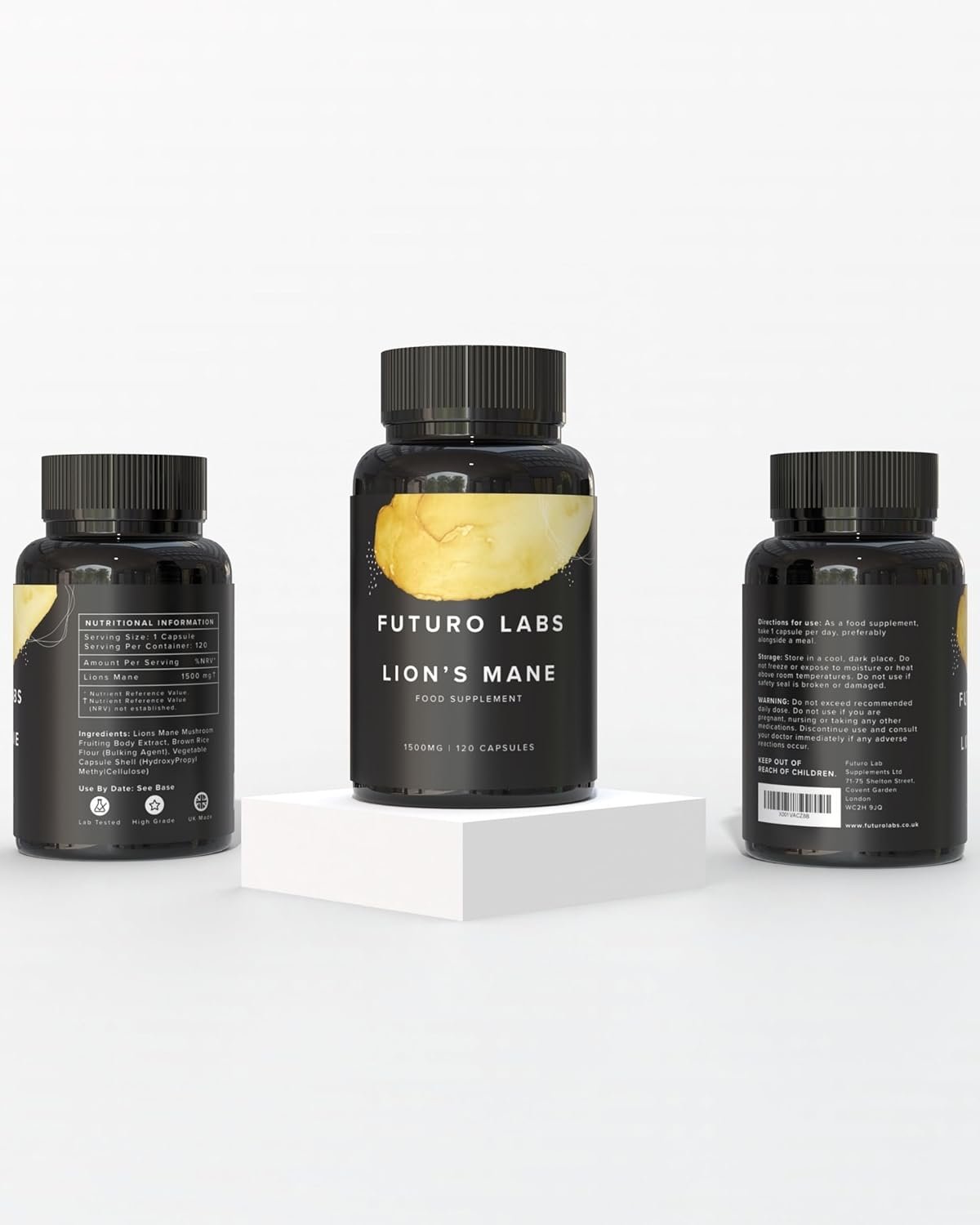
£15.49 for 120-day supply · 13p per day
Pros
- 1500mg fruiting body extract (5:1 ratio) per single capsule
- Delayed-release capsule for high absorption
- 21.6mm size-00 — easier swallow than most 1500mg formats
- 120-day supply at ~13p per day
- BRC AA accredited UK manufacturing
- Vegan HPMC, no fillers, odour-free, lab tested
Cons
- Single-ingredient (no nootropic blend)
- Newer brand vs heritage UK names
Available from: Amazon UK · Futuro Labs
Turmeric / Curcumin (UK brands)
£10-25 / 60-day · 17-42p
Pros
- Strong anti-inflammatory evidence
- Well-researched
- Affordable
Cons
- Poor absorption without piperine
- Stains everything yellow
- Blood-thinning effect
Available from: Amazon UK
At-a-glance comparison
| Anti-inflammatory evidence | Lion's Mane | Curcumin/Turmeric |
|---|---|---|
| Preclinical (cell/animal) | Positive — NF-kB, cytokines | Strong — multiple pathways |
| Human clinical trials | Limited for inflammation | Multiple meta-analyses |
| Primary positioning | Cognitive support | Anti-inflammatory |
| Anti-inflammatory strength | Secondary benefit | Primary benefit |
| Best approach | Take for cognition; inflammation is bonus | Take for inflammation specifically |
Anti-inflammatory evidence
Lion's mane has demonstrated anti-inflammatory activity through multiple mechanisms in preclinical research:
- NF-kB pathway modulation: cell studies show lion's mane extracts can reduce NF-kB activation, a key inflammatory signalling pathway
- Cytokine reduction: animal studies demonstrate reduced pro-inflammatory cytokine production (TNF-α, IL-6)
- Antioxidant activity: polyphenol and beta-glucan content contributes to oxidative stress protection
- Neuroinflammation specifically: relevant to the gut-brain axis and age-related cognitive decline
Important caveat: this evidence is primarily preclinical. Human clinical trials specifically measuring anti-inflammatory outcomes from lion's mane supplementation are limited. The cognitive evidence (Mori et al 2009) is substantially stronger than the inflammation-specific evidence.
Where inflammation fits alongside cognitive support
Chronic low-grade inflammation ("inflammaging") is increasingly recognised as a driver of age-related cognitive decline, joint discomfort, cardiovascular risk, and metabolic dysfunction. Lion's mane's anti-inflammatory properties are relevant in this broader context — supporting both neural health and systemic inflammation modulation.
For UK adults over 40 navigating the intersection of cognitive and inflammatory concerns, lion's mane provides potential dual benefit. However, for primary anti-inflammatory support, curcumin (turmeric extract) has substantially stronger and more established evidence. Lion's mane vs turmeric comparison.
Practical approach
Take lion's mane primarily for cognitive support. Any anti-inflammatory benefit is a secondary advantage, not the primary reason to supplement. For UK adults wanting dedicated anti-inflammatory support, pair lion's mane (cognitive) with curcumin (anti-inflammatory) at adequate individual doses rather than relying on lion's mane alone for inflammation.
Lifestyle factors with stronger anti-inflammatory evidence: Mediterranean-style diet, regular exercise, adequate sleep, stress management, omega-3 EPA/DHA, limited alcohol intake.
Frequently asked questions
Is lion's mane anti-inflammatory?
Yes — preclinical evidence shows NF-kB modulation, cytokine reduction, and antioxidant activity. However, the anti-inflammatory evidence is primarily from animal and cell studies, not human clinical trials. Lion's mane's cognitive evidence is substantially stronger. Take primarily for cognitive support; anti-inflammatory benefit is secondary. For primary anti-inflammatory support, curcumin has stronger established evidence.
Does lion's mane reduce inflammation?
Preclinical research suggests lion's mane reduces inflammatory markers (TNF-α, IL-6) and modulates the NF-kB inflammatory pathway. Human evidence for anti-inflammatory effects specifically is limited. The mechanism is relevant to neuroinflammation and age-related cognitive decline. Lifestyle factors (diet, exercise, sleep) and curcumin have stronger anti-inflammatory evidence than lion's mane.
Best supplement for brain inflammation UK?
For neuroinflammation: lion's mane (NGF/BDNF support + anti-inflammatory properties) combined with omega-3 EPA/DHA (anti-inflammatory, EFSA brain function claim) is a reasonable evidence-based approach. Curcumin adds systemic anti-inflammatory support. Lifestyle factors (Mediterranean diet, exercise, sleep) produce the largest anti-inflammatory effects. Significant neurological symptoms warrant NHS clinical evaluation.
Looking for the best value lion's mane in the UK?
Futuro Labs Lion's Mane delivers 1500mg fruiting body extract (5:1) in a delayed-release capsule for ~13p per day.
Shop on Amazon UKLast updated: 10 May 2026. All content is provided for general information only and is not intended to substitute for professional medical advice. If you have any health concerns, consult your GP or a qualified healthcare professional. Futuro Labs is a registered UK supplement manufacturer (Futuro Lab Supplements Ltd, 71-75 Shelton Street, London WC2H 9JQ). Affiliate links to Amazon UK and our own store are clearly disclosed.