Krill Oil Benefits: The Honest Audit
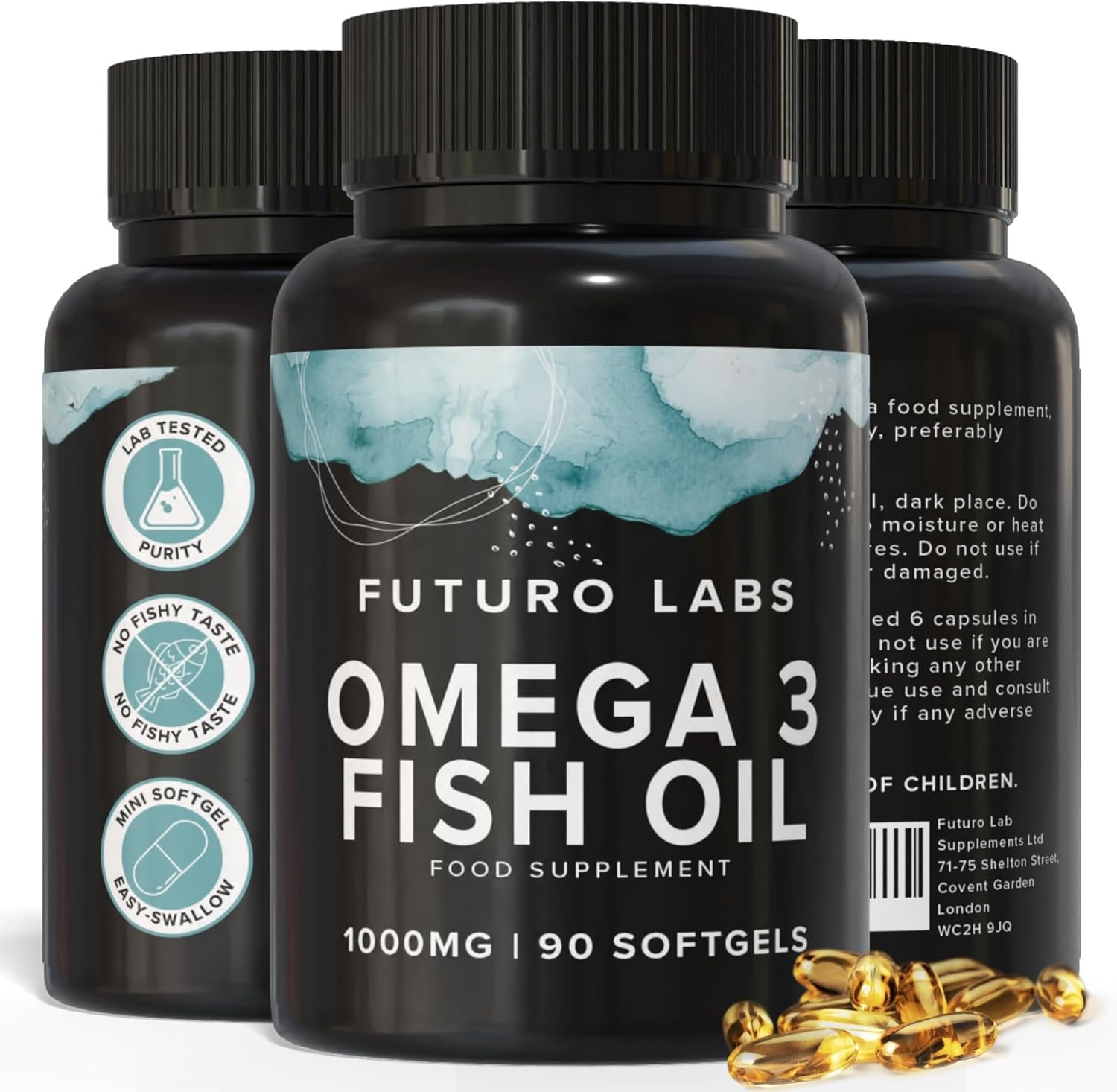
Everything distinctive about krill is pitch; everything claimable is just omega-3 — then the arithmetic decides.
At a glance
- The claimable core: krill = EPA/DHA source → the 250mg heart-function claim applies where dose reaches it
- The pitches: phospholipid-form absorption + natural astaxanthin — real chemistry, modest practical edge
- The arithmetic: low EPA/DHA per capsule at premium prices — fish oil wins per milligram, usually by multiples
- Hard exclusion: shellfish allergy — krill is a crustacean
What krill oil is — and what it can honestly claim
The category, introduced without its marketing: the source — oil pressed from Antarctic krill, tiny crustaceans at the food web's base, yielding EPA and DHA (the claim-carrying omega-3s) packaged largely as phospholipids rather than fish oil's triglycerides, plus a natural pink cargo of astaxanthin, the antioxidant that colours the capsules; the claimable core — because krill supplies EPA/DHA, omega-3's authorised sentences apply on the same terms as anywhere: heart function at 250mg combined daily, DHA's brain and vision claims at its threshold — the register cares about the molecules, not the animal (the claims page); what krill cannot claim — astaxanthin carries no authorised claims, 'superior absorption' is not a register sentence, and joint-and-inflammation marketing runs as far ahead of krill's file as it does fish oil's (the wider audit). Everything distinctive about krill is pitch; everything claimable about it is just omega-3.
The pitches, audited — and the arithmetic that decides
Taking krill's two stories seriously: phospholipid absorption — the form does show somewhat higher absorption in some head-to-heads: real chemistry, modest margin — and then the dose reality lands: typical krill capsules carry roughly 100-200mg combined EPA/DHA versus a standard fish-oil softgel's ~300mg, so the absorption edge is spent before it's banked; astaxanthin — a genuine antioxidant with an interesting research literature and no authorised claims: pleasant passenger, weak purchase reason; the per-milligram audit — krill's UK pricing routinely lands at £0.50-£1.00+ per day for EPA/DHA quantities fish oil delivers for pennies: run cost ÷ combined EPA/DHA milligrams and the multiple is usually 3-6× (the full head-to-head); the sustainability note — Antarctic krill fisheries are certification territory (MSC logos worth checking) given the ecosystem's importance. Futuro Labs Omega 3 states the counter-case in two numbers: 180mg EPA + 120mg DHA per softgel, £14.99 for 90 days — 17p per threshold-clearing day (label maths).
Futuro Labs Omega 3 Fish Oil
£14.99 for 90-day supply (90 softgels) · ~17p per day
Pros
- 1000mg fish oil per softgel — 180mg EPA + 120mg DHA stated
- Mini softgel, no fishy taste, lab tested
- 90-day supply at £14.99 (~17p/day), UK made
Cons
- Fish-derived, bovine-gelatin softgel — not vegan or vegetarian (algal DHA is that route)
- Ethyl-ester form — take with a meal; DHA brain/vision register claims need 250mg DHA daily, above the one-a-day serving
Who krill suits, who it doesn't — and the close
The honest sorting: reasonable krill buyers — the astaxanthin-curious with money already sorted, small-capsule preferrers (krill capsules run petite, a real comfort point), and burp-averse users who find krill gentler — all with the per-milligram maths run and accepted as a lifestyle price; poor fits — anyone buying 'krill absorbs better' as a value proposition (the arithmetic above), anyone chasing joint claims neither oil holds, and budget-led buyers for whom the multiple funds months of fish oil; the hard exclusion — krill is a crustacean: shellfish allergy rules it out completely, with algal DHA as the marine-free route instead; the shared rules — whatever the source, hit the 250mg threshold daily, take it with a fat-containing meal, and run the pharmacist minute if anticoagulants are in the picture (timing). Krill oil benefits, closed at true size: omega-3's claims in a pink premium wrapper — defensible as a preference, indefensible as an upgrade, and always answerable to the same two-number label maths that governs the whole aisle.
Frequently asked questions
What are the benefits of krill oil?
The claimable ones are omega-3's: krill supplies EPA and DHA, so the heart-function claim (250mg combined daily) applies where the dose reaches it. Krill's specific pitches — phospholipid-form omega-3s and natural astaxanthin content — are real chemistry with modest evidence of practical advantage, priced at a multiple of fish oil per EPA/DHA milligram.
Is krill oil better absorbed than fish oil?
The phospholipid form shows somewhat higher absorption in some comparisons — but typical krill capsules carry much less EPA/DHA per capsule than standard fish oil, so per-capsule and per-pound delivery usually favours fish oil decisively. Absorption percentages don't outrun dose arithmetic.
Who might reasonably choose krill?
Someone who wants the astaxanthin story, tolerates krill's smaller capsules better, has checked the sustainability certification, and has run the per-milligram maths with eyes open. Shellfish-allergic readers avoid it entirely — that's the one hard exclusion.
EPA and DHA you can read off the label?
Futuro Labs Omega 3 — 1000mg fish oil, 180mg EPA / 120mg DHA per softgel. £14.99.
Shop on Amazon UK