Label Reading: Two Minutes That Outlast Every Bottle
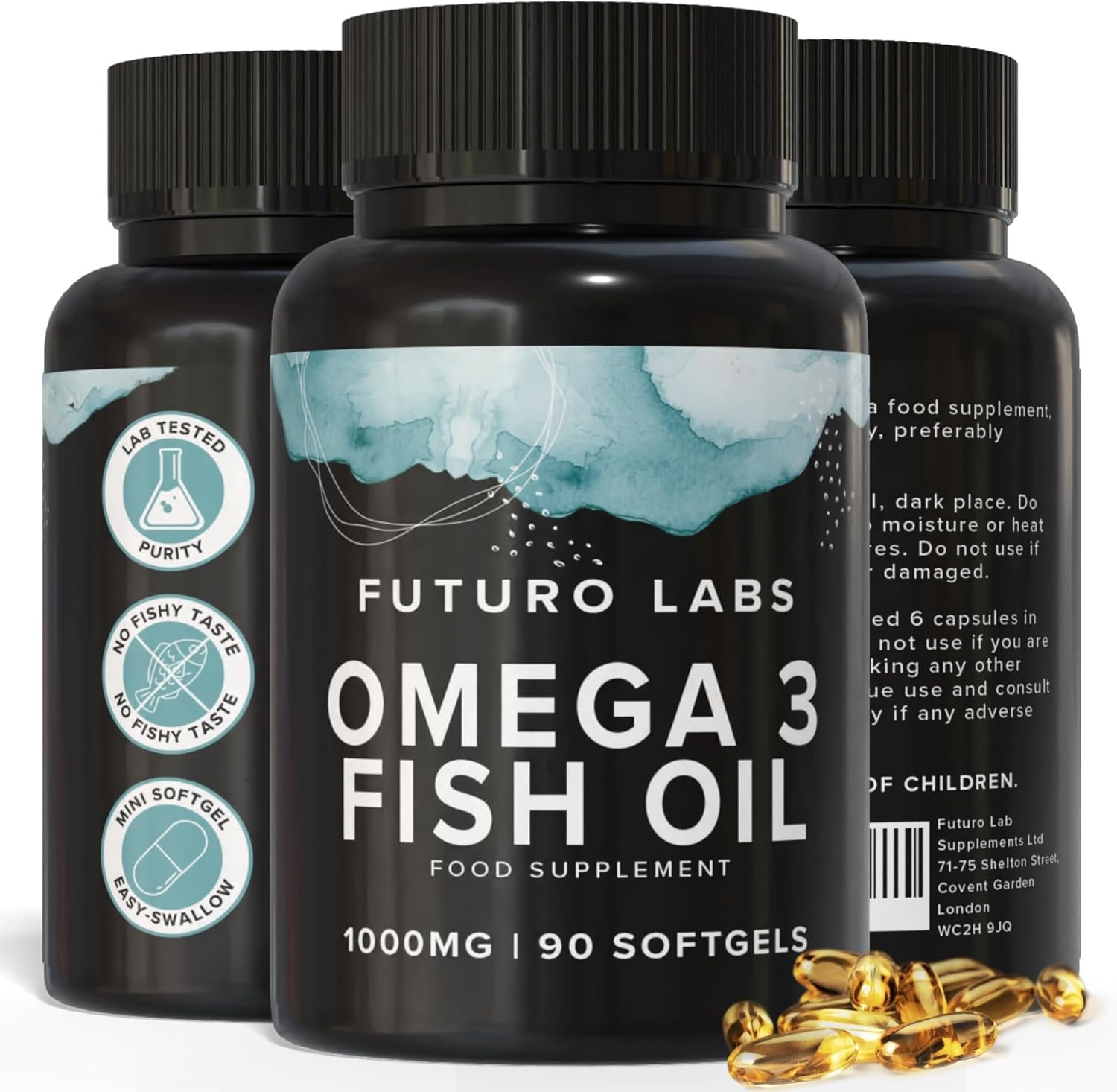
The method applies hardest at home — 350 total, 300 the pair, one-softgel servings, and the DHA gate the read surfaces honestly.
At a glance
- The method: skip the front · read the panel's five lines · divide by true servings
- The key gap: total omega ≠ EPA+DHA — the pair's sum is the only claims number
- Then the checks: form · freshness handling · testing retrievable · allergen bold
- The worked example: our own panel read honestly — 350 total, 300 the pair, limitations included
The panel's anatomy — five lines, read in order
This is the habit's home page, so the full walkthrough: ignore the front of pack entirely — headlines are theatre (carrier worship, multiplier adjectives, borrowed claim-words) — and go to the nutrition panel, where five lines tell the whole truth in order: the fish-oil weight (the carrier — how much oil, not how much omega); the total omega-3 (the family sum — able to include ALA and minor acids that serve no marine claim); and the EPA and DHA lines (the payload — the two acids every authorised sentence conditions on, and the only numbers this cluster ranks by: the pair, the conditions). Then the division that makes any of it real: the true serving size — per-serving figures divided by the capsule count beneath them, because the two-capsule asterisk is the shelf's oldest instrument (its natural habitat).
The worked example — our own panel, read the hard way
The house rule is that the method applies hardest at home, so here is Futuro Labs Omega 3's panel read exactly as this page teaches: fish oil 1000mg (the carrier — a size statement, nothing more); total omega 3: 350mg (the family sum — and not the claims number); EPA 180mg, DHA 120mg (the payload: 180 + 120 = 300mg of the pair — the number that clears the everyday 250mg heart condition, and the only figure this site quotes for claims); serving size: one softgel, genuinely (the division is by one — no asterisk); and the limitation the read surfaces honestly: 120mg DHA sits below the 250mg-DHA conditions for the register's brain and vision sentences, which is why those claims appear nowhere on this label (that gate's page, the review that prints it). A panel that survives its own method — including the parts that don't flatter — is the whole trust proposition (the layers behind it).
Futuro Labs Omega 3 Fish Oil
£14.99 for 90-day supply (90 softgels) · ~17p per day
Pros
- 1000mg fish oil per softgel — 180mg EPA + 120mg DHA stated
- Mini softgel, no fishy taste, lab tested
- 90-day supply at £14.99 (~17p/day), UK made
Cons
- Fish-derived, bovine-gelatin softgel — not vegan or vegetarian (algal DHA is that route)
- Ethyl-ester form — take with a meal; DHA brain/vision register claims need 250mg DHA daily, above the one-a-day serving
Available from: Amazon UK — £14.99
The remaining checks, the red-flag five, and the close
After the five lines and the division, the completing checks: form disclosure — ethyl esters or triglycerides stated or inferable (ours: ethyl esters, with the with-meal rule doing the practical work — why, the debate); freshness handling — deodorisation, an antioxidant (tocopherol here), any oxidation-testing mention: silence on the category's real failure mode is itself a reading (that failure mode); testing — claimed versus retrievable: certificates you can actually see, batch-linked (what they should show); and the allergen bold — fish, stated as the major allergen it is. The red-flag five, for speed: no split, hidden servings, carrier headlines, freshness silence, off-register claims — any two together closes a listing (the basement they guard). Gates as ever, because labels end at the till: pregnancy, nursing or any medication → doctor first per the label (the conversation). Reading a fish oil label, closed as a skill installed: five lines, one division, four checks — two minutes that outlast every bottle you'll ever hold.
Frequently asked questions
How do I read a fish oil label properly?
The five-line walkthrough this cluster runs on: skip the front entirely, find the nutrition panel, read the fish-oil weight line (the carrier), the total-omega line (the family), and the EPA and DHA lines (the payload — the only numbers claims condition on); divide everything by the true serving size; then check form, freshness handling, testing and the allergen bold. Two minutes, any bottle, forever.
What's the difference between total omega 3 and EPA+DHA?
The gap where marketing lives: total omega-3 can include ALA and minor acids that serve no marine claim, so a '350mg omega 3' line can sit above a 300mg EPA+DHA reality — as on our own panel, where the honest read is exactly that: 350mg total, 180 EPA + 120 DHA = 300mg of the pair, and the 300 is the claims number.
What are the red flags on a label?
The recurring five: no EPA/DHA split (answering by omission), per-serving figures hiding multi-capsule servings, carrier headlines doing payload work, freshness unmentioned anywhere, and claim language beyond the register — joints, brain power, mood. Any two together and the listing has told you enough.