With Food: This Molecule Reads the Menu
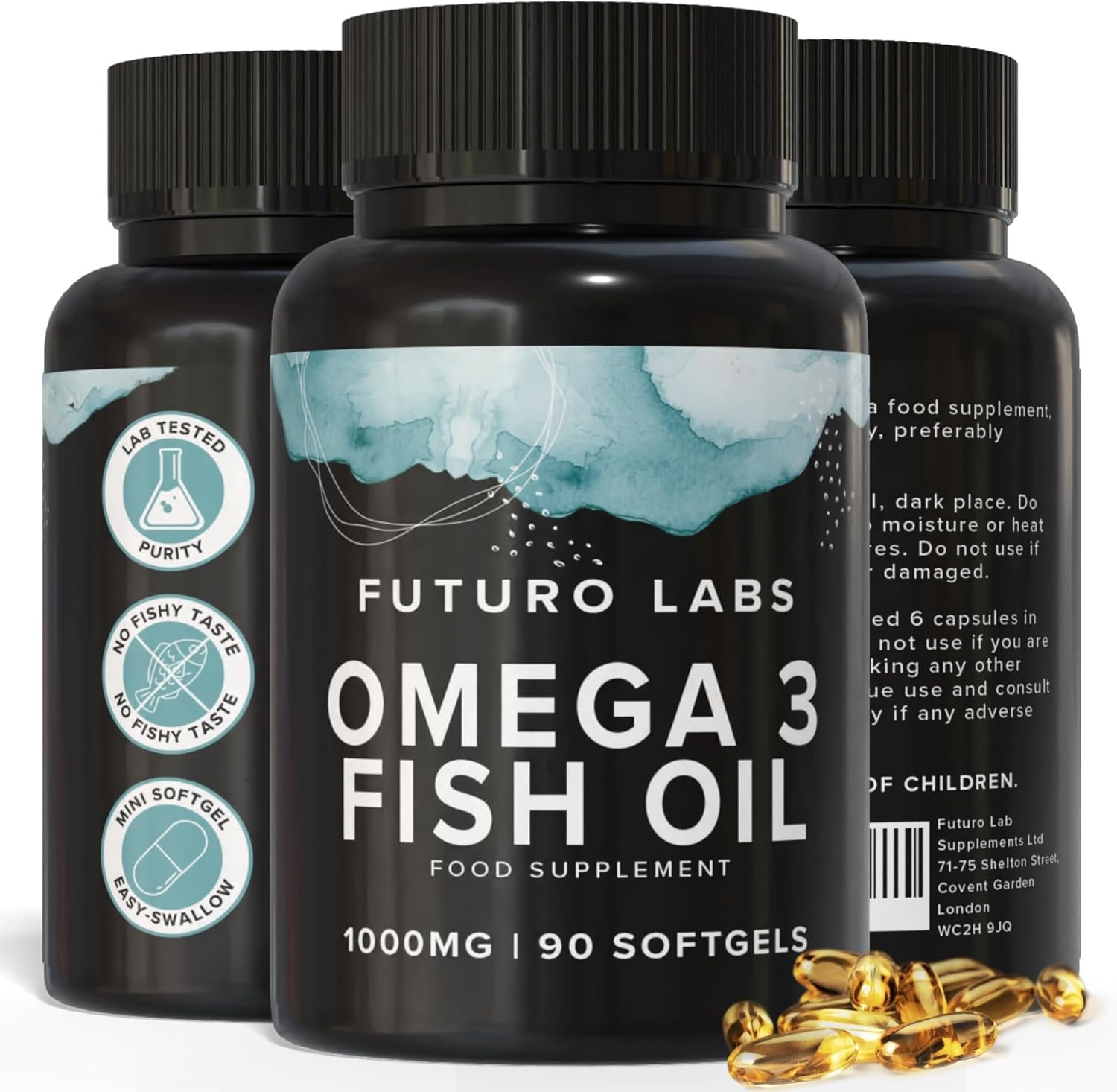
One habit, four wins — absorption, comfort, adherence, stacking — and the cheapest upgrade in the category: breakfast first.
At a glance
- The mechanism: fat-dependent absorption — bile, enzymes, micelles are meal-triggered
- The evidence: fatty-meal vs fasted studies show large uptake differences for ethyl esters
- The bar: a meal, not a feast — ordinary plates carry enough fat
- Fasted costs: partial absorption + most of the digestive niggles — avoidable for free
The cascade — why this molecule reads the menu
Fish oil's with-food rule has an actual mechanism worth two minutes: dietary fats aren't absorbed raw — they're processed by a cascade the body runs on demand: a fatty meal triggers bile release (the emulsifier), pancreatic lipases (the scissors), and micelle formation (the ferry service that carries fat products to the absorptive surface) — and concentrated omega-3 oils ride that same machinery. The form detail that sharpens it: the ethyl-ester form — the industry-standard concentration chemistry this product and most of the shelf use — is particularly dependent on the cascade's enzymatic step, which is why the research comparing dosing states is unusually stark: fatty-meal dosing shows multiples-better uptake than fasted dosing for EE oils in the classic studies. A softgel on an empty stomach meets machinery that isn't running; the identical softgel beside breakfast rides infrastructure the meal switched on — same capsule, very different delivery (the form debate this fact largely settles in practice, the timing page it anchors).
The bar, set honestly — a meal, not a project
What 'with food' actually requires, before optimisation culture inflates it: a meal — ordinary UK breakfasts and dinners carry ample triggering fat (eggs, dairy, spreads, cooking oils, the fat in meat and fish all count), the cascade doesn't demand a macronutrient spreadsheet, and pairing rituals ('take with avocado', 'needs full-fat yoghurt') are theatre built on a true mechanism: the difference that matters is fed-versus-fasted, not fed-versus-more-fed. The practical residue is one habit: never fasted — the softgel rides a real plate, whichever plate your day reliably produces, which folds this page into the cluster's standing anchor logic: one capsule, one dependable meal, months of pattern (the base layer it builds, the clock it feeds). The fasted costs, priced for completeness: meaningfully reduced absorption — paying 17p for partial delivery — plus the lion's share of the category's digestive niggles, nausea and repeats concentrating in empty-stomach dosing (the mild tier's file): nothing dangerous, everything unnecessary.
Futuro Labs Omega 3 Fish Oil
£14.99 for 90-day supply (90 softgels) · ~17p per day
Pros
- 1000mg fish oil per softgel — 180mg EPA + 120mg DHA stated
- Mini softgel, no fishy taste, lab tested
- 90-day supply at £14.99 (~17p/day), UK made
Cons
- Fish-derived, bovine-gelatin softgel — not vegan or vegetarian (algal DHA is that route)
- Ethyl-ester form — take with a meal; DHA brain/vision register claims need 250mg DHA daily, above the one-a-day serving
Available from: Amazon UK — £14.99
The compound win — chemistry, comfort, adherence, one habit
Why this cluster leans on the rule so hard: the with-meal habit wins four ways at once — absorption (the cascade, above), comfort (the niggle tier largely dissolves — and paired with purified deodorised oil, the burp question closes entirely: that page), adherence (meals are the most reliable anchors a routine owns, and the pattern is the mechanism), and stacking simplicity (fat-soluble companions like vitamin D ride the same plate happily — the natural pairing). The product built to the rule: Futuro Labs Omega 3 — one 1000mg mini softgel with a meal, 300mg EPA+DHA, the everyday heart-claim condition met daily for ~17p across a 90-day quarter (the record, the ladder it serves). Gates as ever, because no mechanism page escapes them: pregnancy, nursing or any medication → doctor first per the label; blood thinners → the pharmacist conversation (that routing). With food, why: because this molecule reads the menu — and the cheapest upgrade in the whole category is eating breakfast before you swallow it.
Frequently asked questions
Why should omega 3 be taken with food?
Because absorption of concentrated fish oil is fat-dependent: the ethyl-ester form most of the category uses needs the meal-triggered digestive cascade — bile, pancreatic enzymes, micelle formation — to be efficiently taken up, and studies comparing fatty-meal versus fasted dosing show large absorption differences. 'With food' on a fish-oil label is chemistry instruction, not filler.
Does the meal need to be fatty?
It needs to be a meal — ordinary breakfasts and dinners contain enough fat to trigger the cascade (eggs, dairy, oils in cooking all count), and chasing extra-fatty pairings is optimisation theatre. The habit that matters is never-fasted: the softgel rides a real plate, whichever plate that reliably is.
What happens if I take it on an empty stomach?
Two costs, neither dramatic: absorption drops meaningfully (paying full price for partial uptake), and the digestive niggles rise (nausea and repeats show up mostly in fasted dosing). Nothing dangerous — just the product working worse and feeling worse than it needed to, for the price of skipping breakfast.