Krill: Form Stories Serve Marketing Where Payloads Run Thin
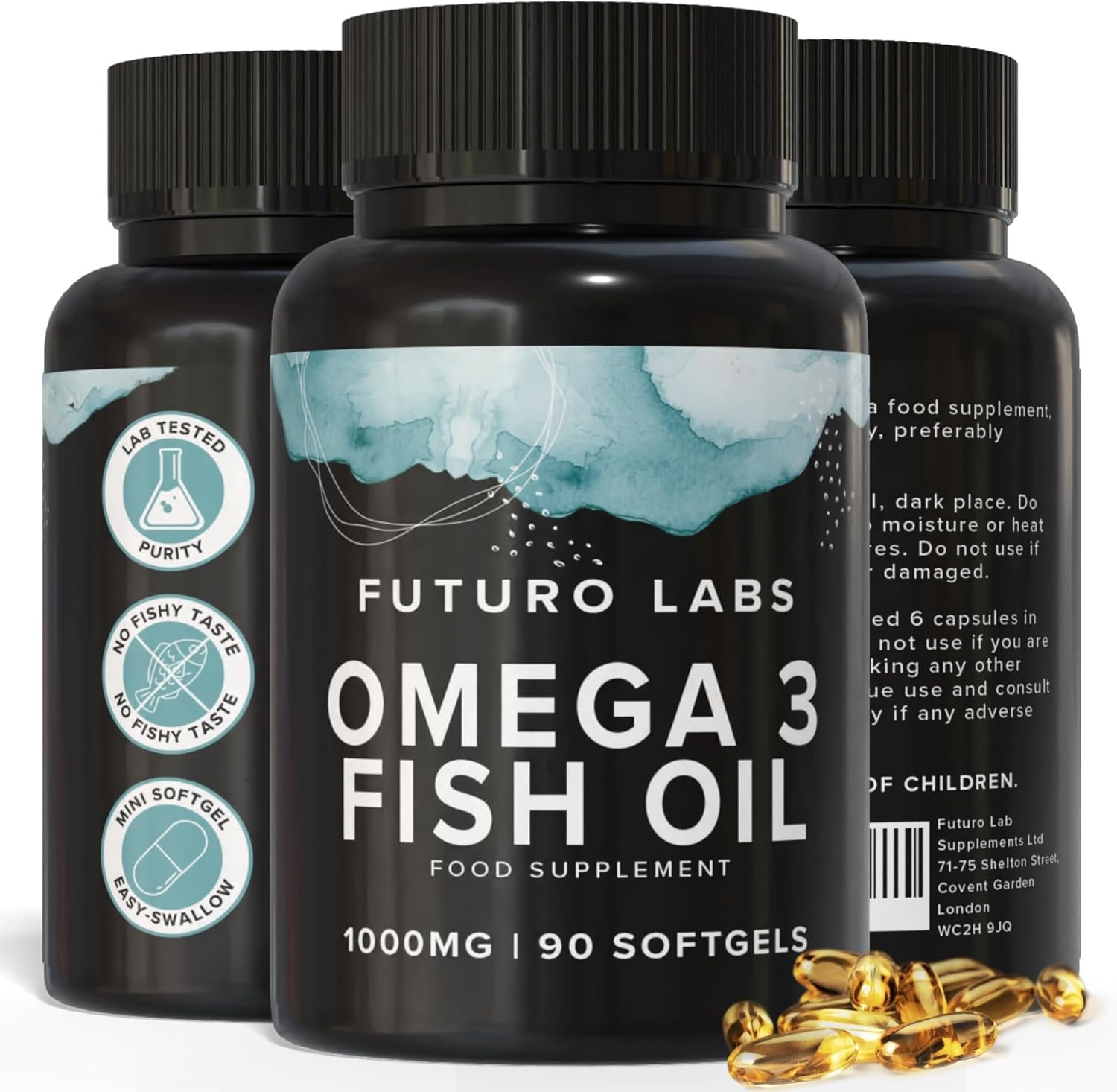
No absorption percentage multiplies 100mg into 300mg — the arithmetic side of the argument, plus the values question decided by the buyer.
At a glance
- Krill's pitch: phospholipid form · astaxanthin · premium shine
- Krill's problem: payload — fractions of a softgel's EPA+DHA at multiples of the price
- The absorption story: real-ish, narrowed by any meal, and no multiplier of tiny milligrams
- Sustainability: a genuine debate — flagged honestly, decided by the buyer
The premium pitch — credited before it's audited
Krill oil is fish oil's boutique cousin and its pitch deserves fair statement: the phospholipid story — krill's omega-3 arrives bound to phospholipids rather than triglycerides or ethyl esters, and some studies show favourable absorption characteristics for that form: genuine biochemistry, honestly interesting; the astaxanthin bonus — the red carotenoid that colours krill oil is a real antioxidant, protecting the oil itself and riding along in small amounts; and the premium shine — small capsules, no fishy repeats reported by many users, ocean-boutique branding. All real enough to explain the category's existence — and none of it the number that decides purchases (the layers, as ever).
The payload audit — where the comparison actually ends
The line every krill label whispers: EPA+DHA per capsule — typical krill products carry a fraction of a standard fish-oil softgel's payload (commonly well under half, often far less), priced at several times the per-capsule cost, which sends the per-milligram maths — this cluster's whole methodology — heavily against them: reaching the everyday 250mg condition on krill alone routinely means multiple capsules and multiples of the daily cost (the condition, the pence-per-day sum). The absorption defence, sized honestly: phospholipid advantages are percentage stories, comparisons across studies vary, the fed state narrows the gap sharply — a meal does for ethyl esters much of what phospholipids do structurally (the cascade, the form debate in full) — and no absorption percentage multiplies 100mg into 300mg: form stories serve marketing best exactly where the payload line is weakest. Futuro Labs Omega 3's position in the comparison is just the arithmetic: 300mg EPA+DHA per softgel, one a day, ~17p (the record).
Futuro Labs Omega 3 Fish Oil
£14.99 for 90-day supply (90 softgels) · ~17p per day
Pros
- 1000mg fish oil per softgel — 180mg EPA + 120mg DHA stated
- Mini softgel, no fishy taste, lab tested
- 90-day supply at £14.99 (~17p/day), UK made
Cons
- Fish-derived, bovine-gelatin softgel — not vegan or vegetarian (algal DHA is that route)
- Ethyl-ester form — take with a meal; DHA brain/vision register claims need 250mg DHA daily, above the one-a-day serving
Available from: Amazon UK — £14.99
The sustainability flag, the honest buyer, and the close
The paragraph krill pages usually skip: the Antarctic krill fishery is genuinely debated — tightly managed by international convention with certified operations on one hand, and the harvesting of a polar food web's base species in a changing climate on the other: both descriptions are accurate, values decide between them, and buyers who care should look for credible certification and choose with eyes open rather than on either side's brochure (the wider sourcing conversation). The honest krill buyer, named without a strawman: someone paying the premium knowingly — for the small capsule, the astaxanthin, the form story — with the payload maths done and accepted; everyone shopping the condition and the pence lands back at body oil, where this cluster's standard build waits: purified, deodorised, tested, with-meal by design (the format's case). Gates as ever: pregnancy, nursing or any medication → doctor first per the label; shellfish note for the allergic — krill is a crustacean, its own allergen lane, while fish-allergic readers route past both oils to algae. Krill versus fish oil, closed on the audit: a real form story, a decorative antioxidant, a debated fishery — and a payload line that ends most comparisons before the branding starts.
Frequently asked questions
Is krill oil better than fish oil?
Krill's honest pitch: phospholipid-form omega-3 (a genuine absorption story), natural astaxanthin (the red antioxidant), premium positioning. Krill's honest problem: payload — typical capsules carry a fraction of a fish-oil softgel's EPA+DHA at several times the price, so the per-milligram maths runs heavily against it. Absorption percentages don't rescue absolute milligrams that small.
Does the phospholipid absorption advantage matter?
It's real-ish and oversold: phospholipid-bound omega-3 shows favourable absorption characteristics in some studies, but the comparisons vary, the fed-state gap narrows sharply (a meal does for ethyl esters much of what phospholipids do for themselves), and no absorption edge multiplies 100mg into 300mg. Form stories serve marketing best when the payload line is weakest.
What about krill sustainability?
The Antarctic fishery is genuinely debated: it's tightly managed with certified operations, and it also harvests the base of a polar food web in a changing climate — both true. Buyers for whom that matters should look for certification and decide with eyes open; it's a values question this page flags rather than settles.