Algae: Not an Imitation — The Origin
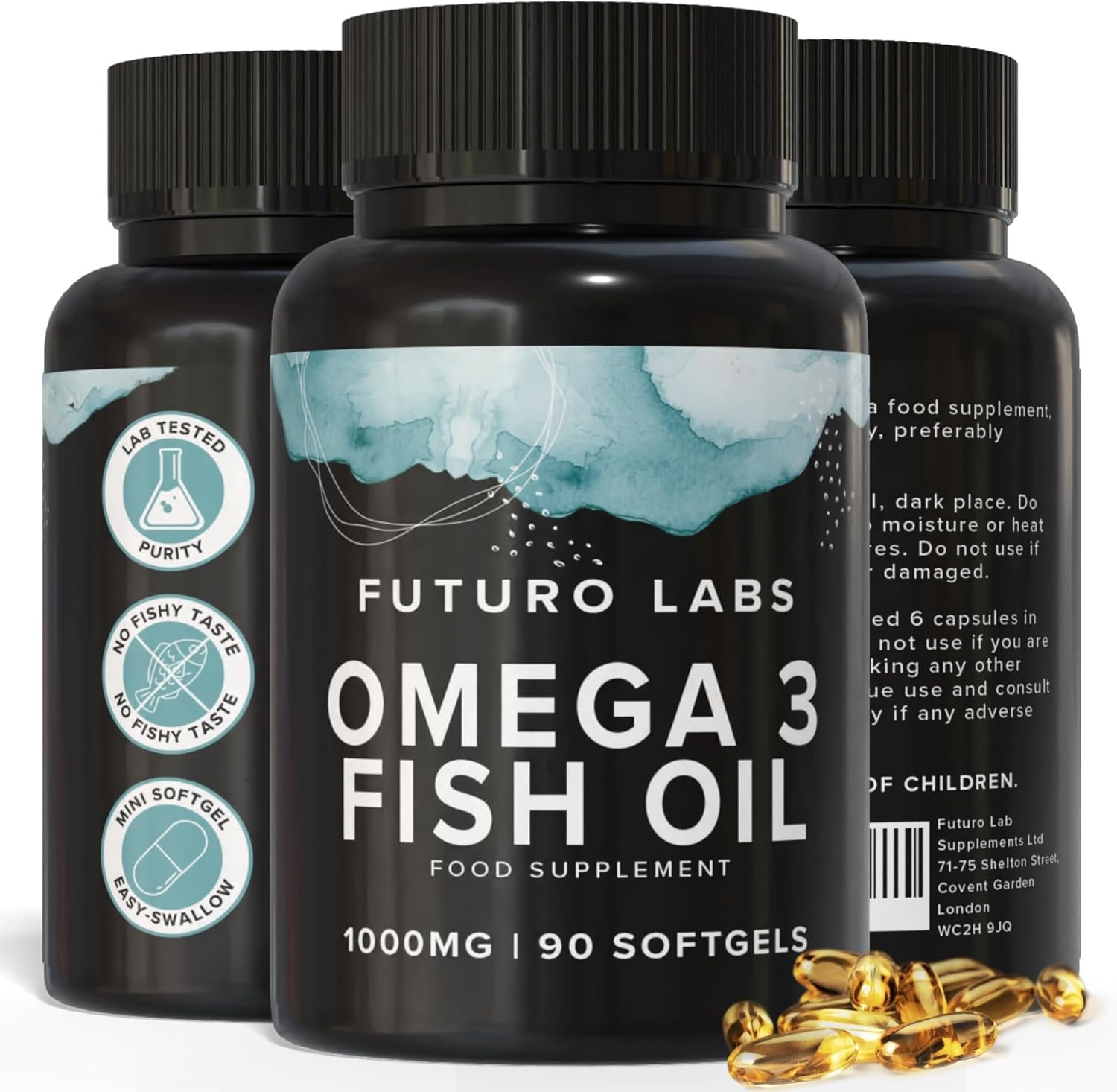
Our label is fish and gelatin, said plainly — the five-question read ported to the algal shelf, the price trade named, the routing made honestly.
At a glance
- Same molecules: algae is where fish get their EPA/DHA — the source behind the source
- For vegans and the fish-allergic: not a comparison — the answer
- Our honesty: this label is fish + bovine gelatin — plant-based readers get routed, not persuaded
- The trade: price per milligram — and the same five-question read regardless
The source behind the source — why algal oil isn't an imitation
The biology that reframes this whole comparison: fish don't make EPA and DHA — they accumulate them from the marine food web, whose primary producers are microalgae: algae is where the molecules originate, and algal oil is simply harvesting the source directly — same EPA, same DHA, identical molecules serving identical roles, grown in cultivation tanks rather than concentrated up a food chain (the family, the pair). Product reality on today's shelf: algal oils run characteristically DHA-rich (the algae strains cultivated first were DHA producers), with EPA+DHA combination products now common and payloads spanning the same range fish oil does — meaning the register's conditions read identically: 250mg of the pair for the everyday heart shape, DHA's own gate for its sentences, the whole ladder source-agnostic (the ladder).
Who this page is really for — and our straight answer
The readers for whom this isn't a versus at all: vegans and vegetarians — algal oil is the one route to preformed EPA/DHA with no animal involved, and the conversion-path alternative (ALA from flax and kin) runs too inefficient to substitute (that page's whole point); and the fish-allergic — for whom fish oil is simply off the table (fish is a major allergen, this cluster bolds it everywhere — the allergen line) and algal oil is the fish-free door. Our position, stated the way this site states everything: Futuro Labs Omega 3 is fish oil in a bovine-gelatin softgel — not vegan, not vegetarian, printed as a limitation on our own review — and plant-based readers get routed to the algal shelf with a straight face rather than persuaded around their own line: the recommendation is the routing.
Futuro Labs Omega 3 Fish Oil
£14.99 for 90-day supply (90 softgels) · ~17p per day
Pros
- 1000mg fish oil per softgel — 180mg EPA + 120mg DHA stated
- Mini softgel, no fishy taste, lab tested
- 90-day supply at £14.99 (~17p/day), UK made
Cons
- Fish-derived, bovine-gelatin softgel — not vegan or vegetarian (algal DHA is that route)
- Ethyl-ester form — take with a meal; DHA brain/vision register claims need 250mg DHA daily, above the one-a-day serving
Available from: Amazon UK — £14.99
Choosing well on the algal shelf — the read, ported
The five-question habit travels intact, with two algal-specific notes: the read — EPA and DHA stated in milligrams per capsule (DHA-only algal products are common: know which you're buying against which claim), payload summed against the 250mg everyday shape, freshness handled (algal oils oxidise like any polyunsaturate — antioxidant protection and dating still matter), testing shown, per-day maths run honestly (the course, source-agnostic); the trade — algal typically costs meaningfully more per milligram than fish oil (cultivation economics), a premium the vegan and allergic buyer pays for the only door that exists, and the values buyer weighs against the sourcing conversation where algal's no-fishery footprint is its genuine card. Constants regardless of source: with-a-meal chemistry (the cascade), the quiet tissue clock (the timeline), and the gates — pregnancy, nursing or any medication → doctor first, on any oil's label. Algae versus fish oil, closed honestly: the same molecules from the source behind the source — a comparison for some buyers, the answer for others, and a routing this fish-oil page makes without flinching.
Frequently asked questions
Is algae oil as good as fish oil?
For the molecules, yes — algal oil supplies the same EPA and DHA (algae being where fish get theirs), typically DHA-rich, with products now spanning the payload range. For vegans, vegetarians and the fish-allergic it isn't a comparison at all: it's the answer — the one route to preformed marine omega-3 with no fish involved. The trade is price: algal typically costs meaningfully more per milligram.
Why don't you make an algal omega 3?
Straight answer: Futuro Labs Omega 3 is a fish-oil product in a bovine-gelatin shell — not vegan, not vegetarian, and this cluster says so on every relevant page rather than burying it. Plant-based readers deserve routing, not persuasion: algal EPA/DHA products are the honest recommendation, chosen on the same label rules this site teaches everywhere.
How should a vegan choose an algal omega 3?
The same read as any oil, ported: EPA and DHA stated in milligrams per capsule (DHA-only products exist — know which you're buying), the 250mg everyday shape as the useful benchmark, freshness handled (algal oils oxidise too), testing shown, and per-day maths honest. The molecules don't care about the source; neither do the five questions.