Lion's Mane Polyphenol Percentage Explained
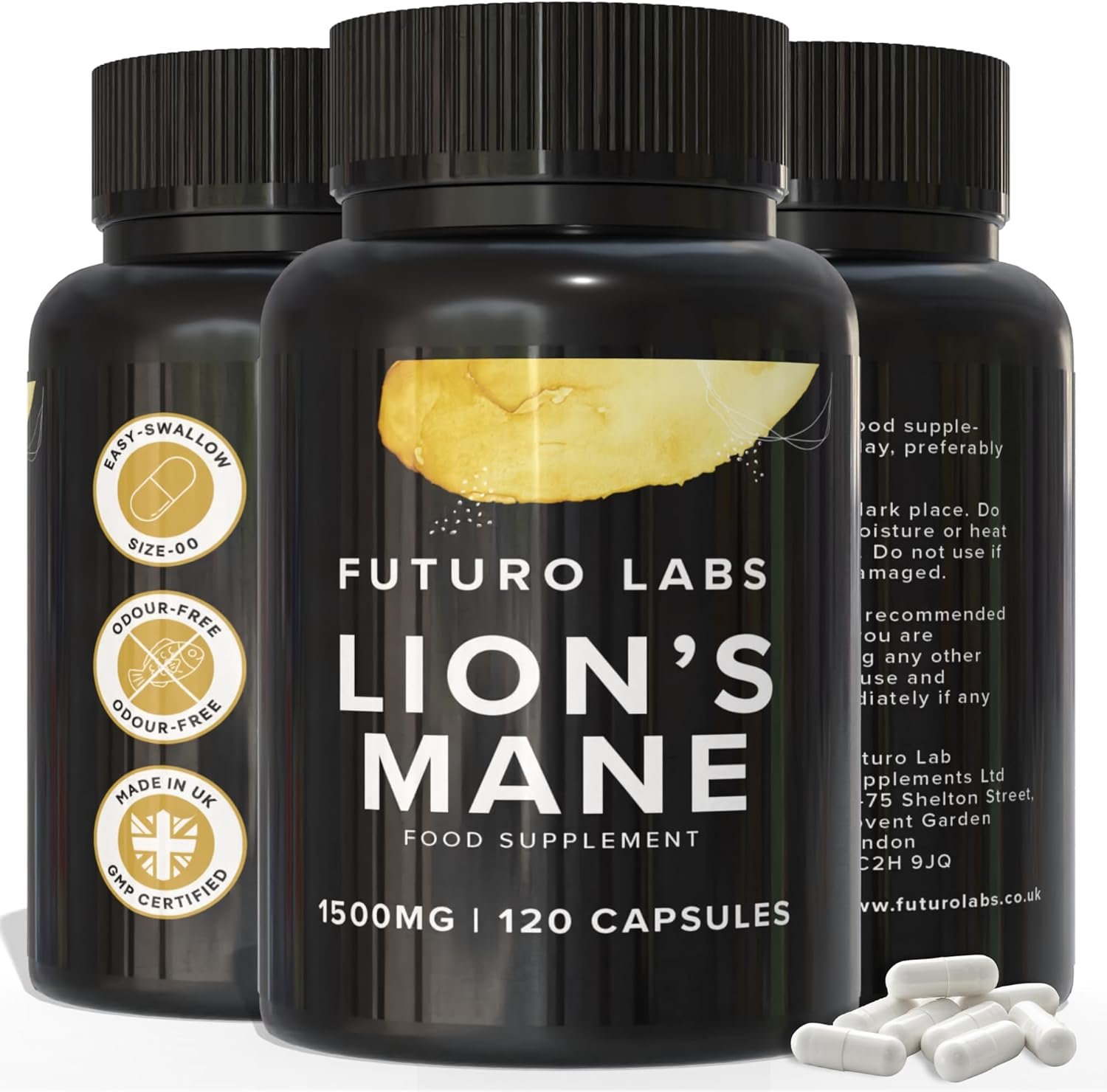
'30% polyphenols' on a lion's mane label looks like marketing jargon but is actually one of the most useful quality signals UK buyers can check. Polyphenol and beta-glucan percentages indicate verified bioactive compound concentration — what the body uses for cognitive support effects.
At a glance: our picks
- What it means: Percentage of extract weight that is standardised polyphenolic content
- Quality threshold: 20%+ polyphenols is useful benchmark
- Typical UK ranges: Powder 1-3%, basic extract 5-15%, standardised 20-30%
- Calculate elemental content: Extract mg × polyphenol % = active compound mg
- Beta-glucan alternative: Some brands standardise to this instead
"30% polyphenols" or "25% beta-glucans" on a lion's mane label looks like marketing jargon but is actually one of the most useful quality signals UK buyers can check. Polyphenol and beta-glucan percentages indicate verified bioactive compound concentration — what the body actually uses for cognitive support effects. This guide explains what these percentages mean, why they matter, and how to evaluate them against UK product labels.
Pairs with our extract ratio explainer (5:1, 8:1, 10:1 deep-dive) and the broader label-reading guide.
Our top picks reviewed
Futuro Labs Lion's Mane
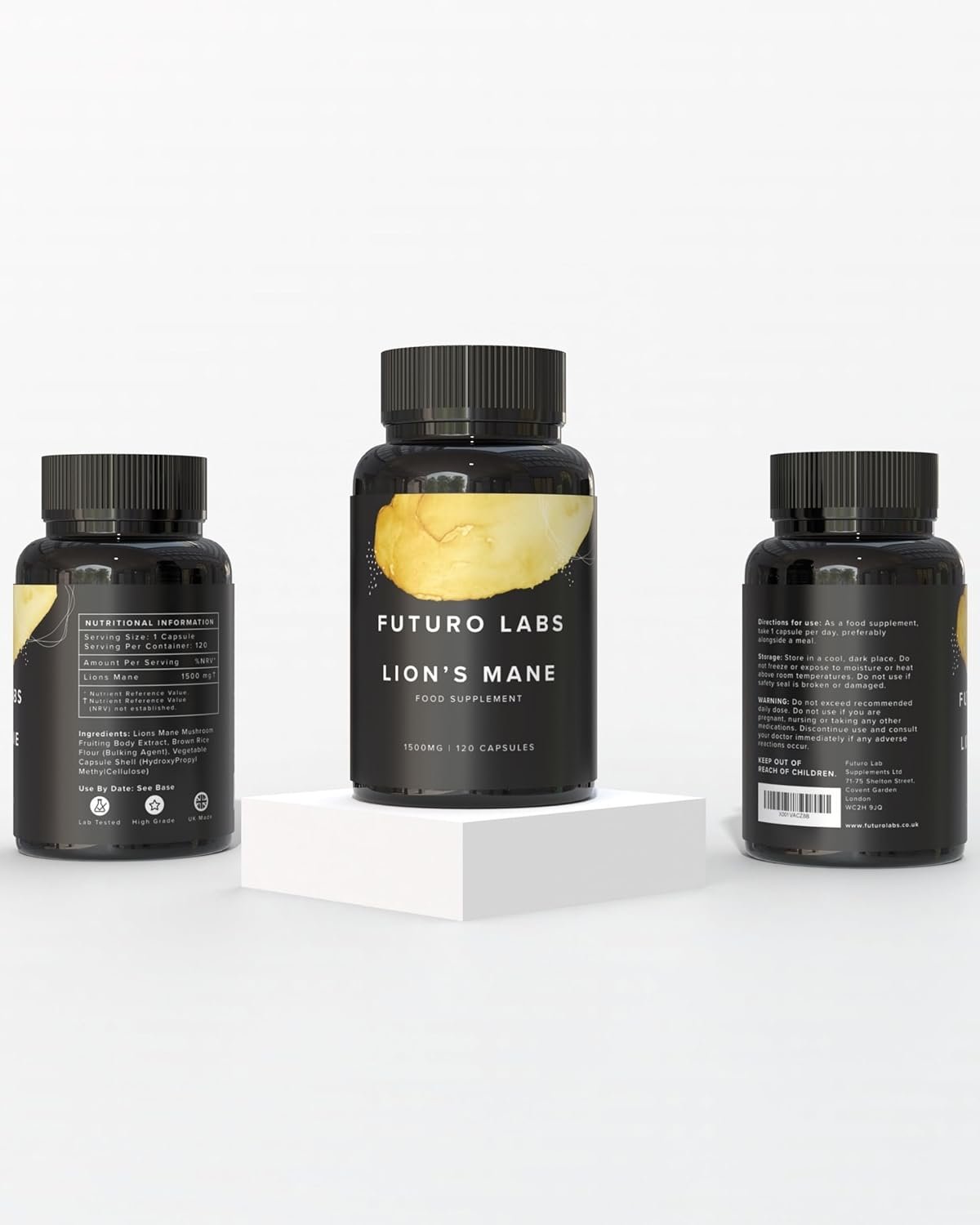
£15.49 for 120-day supply · 13p per day
Pros
- 1500mg fruiting body extract (5:1 ratio) per single capsule
- Delayed-release capsule for high absorption
- 21.6mm size-00 — easier swallow than most 1500mg formats
- 120-day supply at ~13p per day
- BRC AA accredited UK manufacturing
- Vegan HPMC, no fillers, odour-free, lab tested
Cons
- Single-ingredient (no nootropic blend)
- Newer brand vs heritage UK names
Available from: Amazon UK · Futuro Labs
Solve Labs Lion's Mane
Around £22-28 for 60-day supply · 37-47p per day
Pros
- Dual-extracted fruiting body
- UK manufactured
- Strong sourcing transparency
Cons
- Higher cost per day
- Smaller pack sizes
Available from: Solve Labs · Amazon UK
Bristol Fungarium Lion's Mane
Around £25-32 for 30-day supply · 83p-£1.07 per day
Pros
- UK-grown organic mushrooms
- Soil Association certified
- Dual-extracted fruiting body
Cons
- Premium pricing
- Tincture-format primary
Available from: Bristol Fungarium · Healf
At-a-glance comparison
| Product type | Typical polyphenol % | Quality tier |
|---|---|---|
| Unstandardised whole mushroom powder | 1-3% | Sub-clinical typically |
| Basic 5:1 extract (no standardisation) | 5-15% | Adequate |
| Standardised 5:1 extract | 20-30% | Quality benchmark |
| High-end standardised | 30-40% | Premium positioning |
| Beta-glucan standardised | 20-40% beta-glucans | Immune-focused |
What polyphenols are in lion's mane context
Polyphenols are a broad category of plant and mushroom compounds with antioxidant activity. In lion's mane specifically, the polyphenol fraction includes:
- Hericenones — fat-soluble compounds found primarily in the fruiting body, theorised to stimulate NGF (nerve growth factor) production
- Erinacines — water-soluble compounds found primarily in the mycelium, theorised to support BDNF (brain-derived neurotrophic factor) activity
- Other polyphenolic compounds — broader antioxidant-active phenolic structures
When a UK lion's mane label states "30% polyphenols," it indicates that 30% of the extract weight is standardised polyphenolic content. For a 1500mg capsule at 30% polyphenols, that's 450mg of standardised bioactive polyphenol content per capsule.
Why polyphenol percentage matters
Polyphenol percentage is a more granular quality signal than extract ratio alone. Consider two products:
- Product A: 1500mg of 5:1 fruiting body extract, no polyphenol percentage disclosed. You know the concentration ratio but not the verified active compound content.
- Product B: 1500mg of 5:1 fruiting body extract, standardised to 30% polyphenols. You know both the concentration ratio AND that polyphenolic active compounds are at verified concentration.
Product B provides more verification — both the extraction process is standardised AND the active compound content is verified. For UK buyers wanting maximum quality assurance, polyphenol percentage disclosure is a useful additional signal.
Typical polyphenol ranges in UK products
- Unstandardised whole mushroom powder: approximately 1-3% polyphenols typically
- Basic 5:1 extract without polyphenol standardisation: 5-15% polyphenols typically
- Standardised extract products: 20-30% polyphenols (common premium positioning)
- High-end standardised: 30-40% polyphenols (rare; premium pricing)
For UK clinical dose targeting, a product at 1500mg total extract with 30% polyphenols delivers approximately 450mg of standardised polyphenolic content — at the upper end of the research dose tier. Lower-percentage products at the same total milligrams deliver proportionally less.
Beta-glucans — the other quality marker
Beta-glucans are polysaccharides (complex sugars) with documented immune-modulating activity. Lion's mane contains beta-glucans alongside polyphenolic compounds; some UK brands standardise to beta-glucan content rather than polyphenols. Typical ranges:
- Unstandardised powder: 5-15% beta-glucans
- Standardised extract: 20-40% beta-glucans
- Premium positioning: 40%+ beta-glucans (rare)
Beta-glucan standardisation is more common in immune-focused functional mushroom positioning (chaga, reishi, turkey tail) than cognitive-focused lion's mane. Both polyphenol and beta-glucan disclosure are positive quality signals; absence of either isn't a deal-breaker if other quality criteria are met.
Reading UK labels with these percentages
Quality disclosure looks like:
- "Lion's mane fruiting body extract 1500mg, standardised to 30% polyphenols"
- "Hericium erinaceus 5:1 extract, 25% beta-glucans, 1000mg per capsule"
- "Lion's mane extract (Hericium erinaceus, fruiting body) 1500mg, 8:1 ratio, ≥30% polyphenols"
Ambiguous disclosure (less useful):
- "Lion's mane 1500mg" (no extract specification, no standardisation)
- "Premium mushroom blend with lion's mane" (proprietary blend without individual disclosure)
- "Standardised lion's mane extract" without specifying to what
How polyphenol % relates to extract ratio
Extract ratio (5:1, 8:1, 10:1) describes the concentration relative to raw material. Polyphenol percentage describes the verified active compound content of the extract. They're complementary rather than redundant:
- Extract ratio answers: "How concentrated is this extract relative to raw mushroom?"
- Polyphenol percentage answers: "What proportion of this extract is verified bioactive compounds?"
A 10:1 extract sounds more concentrated than a 5:1 extract but if the 10:1 product doesn't standardise to polyphenol content, you don't actually know whether the higher concentration translates to proportionally higher active compound delivery. Both metrics together provide the fullest picture.
Practical recommendation for UK buyers
For UK adults wanting maximum quality assurance:
- Look for products with both extract ratio AND polyphenol percentage disclosed
- Target 20%+ polyphenols as a useful threshold
- Calculate elemental polyphenol content per serving (extract mg × polyphenol %)
- Compare across products on this metric rather than total milligrams alone
For UK buyers comfortable with extract ratio alone as the primary quality signal (most quality UK brands meet this), polyphenol percentage is an additional verification rather than a deal-breaker if absent. Single-ingredient products from UK BRC-accredited manufacturers with stated extraction ratio are typically reliable even without explicit polyphenol disclosure.
Frequently asked questions
What does '30% polyphenols' mean on lion's mane?
30% polyphenols means 30% of the extract weight is standardised polyphenolic content — bioactive compounds including hericenones, erinacines, and other phenolic structures. For a 1500mg lion's mane capsule at 30% polyphenols, that's 450mg of standardised bioactive polyphenol content per capsule. Useful quality signal beyond extract ratio alone.
Is higher polyphenol percentage always better?
Higher percentage indicates more verified bioactive content per gram of extract, but other factors matter. A 30% polyphenol product at 500mg total extract delivers 150mg polyphenols; a 15% polyphenol product at 1500mg extract delivers 225mg polyphenols. Calculate elemental polyphenol content per serving (extract mg × polyphenol %) rather than focusing on percentage alone. Combined with extract ratio, polyphenol percentage gives the fullest quality picture.
What's a good polyphenol percentage for lion's mane UK?
20%+ polyphenols is a useful quality threshold. Most quality UK extract products sit in 20-30% range. Premium positioning sometimes hits 30-40% (rare). Unstandardised whole mushroom powders are typically 1-3% polyphenols — substantially lower. Look for products disclosing both extract ratio (5:1 or higher) and polyphenol percentage for fullest quality verification.
Polyphenols or beta-glucans for lion's mane?
Both are quality markers. Polyphenols (hericenones, erinacines, phenolic compounds) are more typically associated with lion's mane cognitive support. Beta-glucans (polysaccharides) are more typically associated with immune-modulating mushroom positioning. Some UK brands standardise to one or the other; some disclose both. Polyphenol standardisation is more common in cognitive-focused lion's mane products.
Looking for the best value lion's mane in the UK?
Futuro Labs Lion's Mane delivers 1500mg fruiting body extract (5:1) in a delayed-release capsule for ~13p per day.
Shop on Amazon UKLast updated: 10 May 2026. All content is provided for general information only and is not intended to substitute for professional medical advice. If you have any health concerns, consult your GP or a qualified healthcare professional. Futuro Labs is a registered UK supplement manufacturer (Futuro Lab Supplements Ltd, 71-75 Shelton Street, London WC2H 9JQ). Affiliate links to Amazon UK and our own store are clearly disclosed.