Gym: Rounding Error Beside the Fundamentals
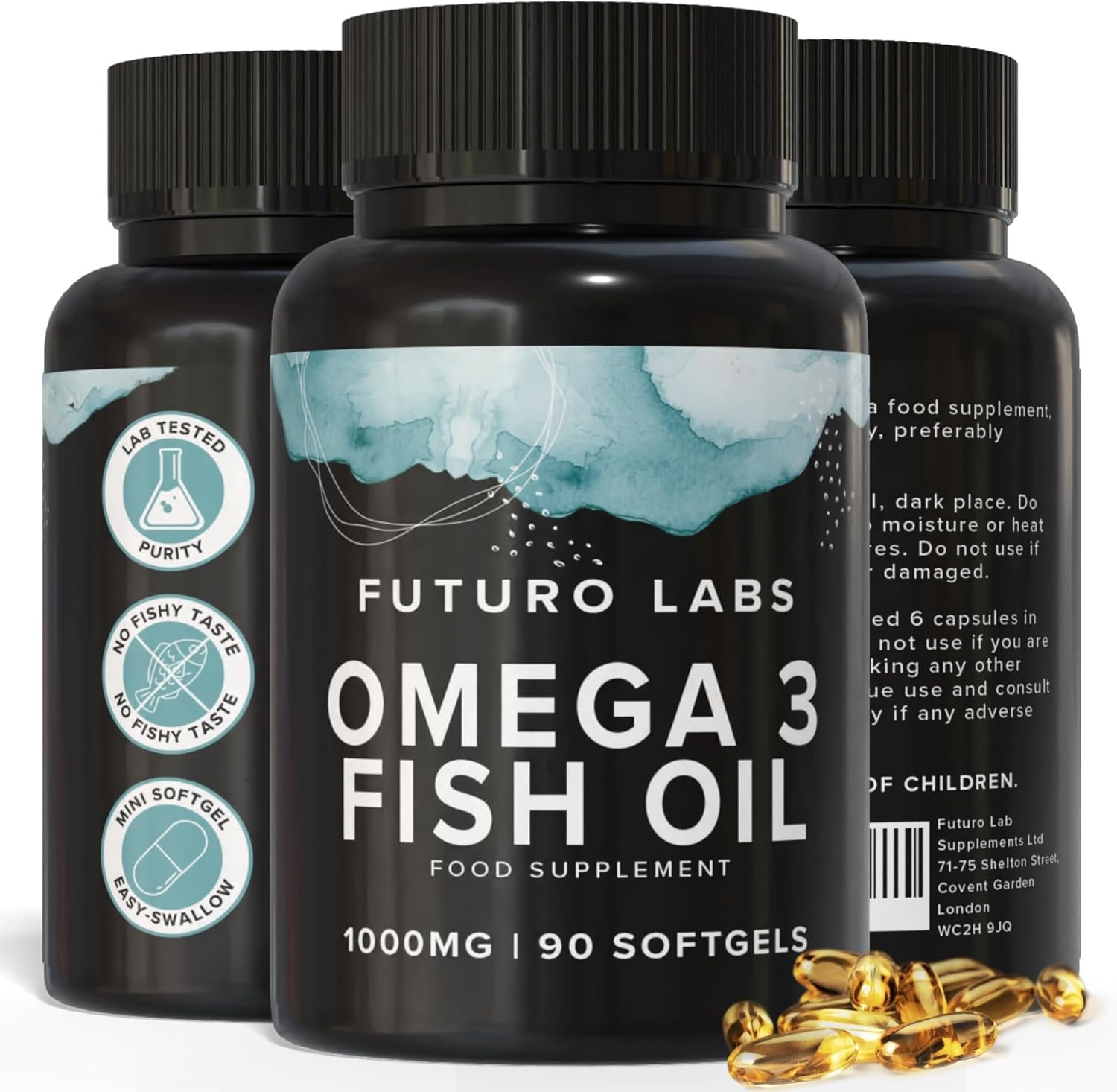
A brand page that points at creatine's stronger file — because two shelves answer two different questions, and this one says which it's on.
At a glance
- No muscle or strength claims exist — and the adjunct research is thin
- The honest comparison: creatine's file is real and strong — fish oil's is a different shelf
- The famous fundamentals: overload · protein · sleep · consistency — the actual stack
- Fish oil's seat: diet infrastructure for a training body — never the edge
The gym shelf — audited without flinching
Gym marketing runs on edges, so the audit runs first: no authorised claim connects omega 3 to muscle, strength, power or training performance at any dose (the layers), and the adjacent research — muscle-protein-synthesis modulation studies, strength-outcome trials in various populations — is thin, inconsistent and nowhere near purchase-grade: interesting biology for researchers, nothing for a programme. The membrane-and-mechanism talk that fills lifter content gets the standing treatment: substrate presence isn't outcome (that audit), and 'supports muscle recovery' labels are borrowing from a file that hasn't filled (the recovery page's mixed record).
The comparison this page owes you — creatine, named honestly
Rare on a brand's own site, standard on this one: if the question is gym results, the honest comparison-winner isn't ours — creatine monohydrate holds one of sports nutrition's strongest evidence bases: strength and power outcomes replicated across decades, meaningful effect sizes, boring reliability — a genuine ergogenic, cheap and unglamorous, and the supplement a results-focused lifter buys first (the pairing page for the many who run both). Fish oil answers a different question entirely: not 'what adds kilos to the bar' but 'what fills the essential-fat line a chicken-and-rice training diet leaves empty' — dietary infrastructure with the heart-maintenance claim genuinely held at one softgel (that sentence), zero performance pretence attached. Two shelves, two questions — and a page that names which one it's on.
Futuro Labs Omega 3 Fish Oil
£14.99 for 90-day supply (90 softgels) · ~17p per day
Pros
- 1000mg fish oil per softgel — 180mg EPA + 120mg DHA stated
- Mini softgel, no fishy taste, lab tested
- 90-day supply at £14.99 (~17p/day), UK made
Cons
- Fish-derived, bovine-gelatin softgel — not vegan or vegetarian (algal DHA is that route)
- Ethyl-ester form — take with a meal; DHA brain/vision register claims need 250mg DHA daily, above the one-a-day serving
Available from: Amazon UK — £14.99
The famous fundamentals — and the close
What actually builds, in the order every honest coach ranks it: progressive overload applied — the stimulus itself, more weight or reps or sets over time, the variable most stalled lifters aren't actually progressing; protein sufficiency — across the day, every day, the material without which stimulus builds nothing; sleep — where the building physically happens, and the fundamental most training plans quietly assume; consistency — months of showing up, the multiplier on everything above; and patience — hypertrophy's timescales negotiate with nobody. Beside those, this aisle is rounding error, and Futuro Labs Omega 3 claims its honest seat only: one mini softgel with a meal (the post-training plate works fine — the chemistry), 300mg EPA+DHA at ~17p, the base layer for a body in training (the quiet clock, the record). Gates unchanged by plates on bars: pregnancy, nursing or any medication → doctor first per the label (the conversation). Gym training, closed with the audit intact: no claims, thin research, creatine named where it wins — and the fundamentals still lifting everything that gets lifted.
Frequently asked questions
Is omega 3 good for gym training and muscle?
The register and the file agree: no muscle, strength or performance claims exist, and the hypertrophy-adjacent research (muscle protein synthesis modulation, strength outcomes) is thin and inconsistent — nothing purchase-worthy. The gym's evidenced stack is short and famous: training itself, protein sufficiency, creatine's genuine file, sleep. Fish oil joins as diet infrastructure, not as a lifter's edge.
Should I take fish oil or creatine for the gym?
Different shelves entirely: creatine monohydrate holds one of sports nutrition's strongest evidence bases for strength and power outcomes — a genuine ergogenic with decades of replication — while omega 3 holds dietary-coverage claims and no performance file. If the question is gym results, creatine is the honest comparison-winner; fish oil answers a different question (the plate's essential-fat line).
What actually builds muscle?
The famous fundamentals, in order: progressive overload actually applied (the stimulus), protein sufficiency across the day (the material), sleep (where building happens), consistency across months (the multiplier), and patience with the timescales adaptation runs on. Everything else — this aisle included — is rounding error beside them.