Recovery: Sleep Outranks the Whole Aisle
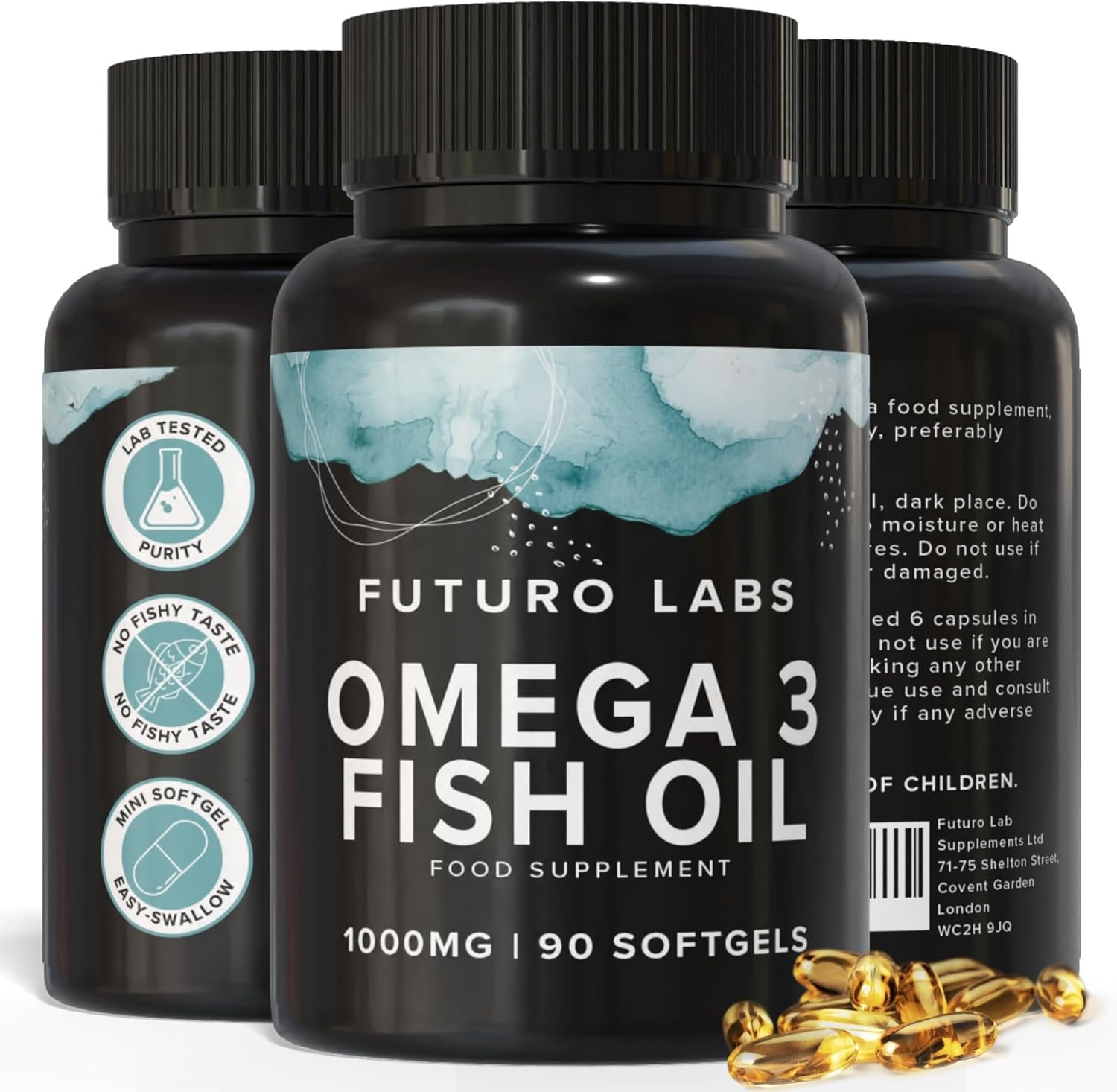
The substrate-versus-outcome gap in its training kit — with the locker room's genuine reasons named so the recovery framing can be refused cleanly.
At a glance
- The file: DOMS/recovery trials mixed-to-modest — no claims exist
- Why athletes take it anyway: coverage · the heart claim · habit — not recovery effects
- The canon: sleep · protein · load management · time — where results actually live
- The honest seat: base-layer fat for a training body — never a recovery product
The recovery file — mixed, modest, and honestly reported
Sports nutrition sells recovery hardest, so the file gets printed straight: omega-3 recovery research — delayed-onset soreness, strength restoration after damage protocols, inflammatory markers post-exercise — runs mixed-to-modest: some trials show small DOMS reductions or marker shifts, others show nothing, protocols and doses vary too widely for confident synthesis, and no authorised claim touches recovery, muscle function or performance at any dose (the layers). The mechanism talk riding alongside — membrane incorporation into muscle, resolution chemistry after damage — is the same substrate-versus-outcome gap the inflammation page audits: real biology, unlicensed promises, and 'reduces exercise inflammation' labels borrowing what no trial settled.
Why the locker room takes it anyway — the honest reasons
Fish oil's genuine seats in an athlete's routine, none of them recovery: coverage — the base-layer case applies to training bodies doubly: higher food throughput doesn't guarantee oily-fish presence, plenty of athletic diets are chicken-rice-repeat and fish-light, and the essential-fat line still needs filling (the sort, the family); the claim actually held — 250mg EPA+DHA for normal heart function is met at one Futuro Labs Omega 3 softgel, and cardiovascular maintenance is hardly irrelevant to someone training theirs (that page, maintenance grammar and all); and habit culture — locker-room defaults spread on testimony, which is popularity data again, not evidence (the same filing). Naming these honestly is what lets this page refuse the recovery framing without pretending athletes have no reason to own a bottle.
Futuro Labs Omega 3 Fish Oil
£14.99 for 90-day supply (90 softgels) · ~17p per day
Pros
- 1000mg fish oil per softgel — 180mg EPA + 120mg DHA stated
- Mini softgel, no fishy taste, lab tested
- 90-day supply at £14.99 (~17p/day), UK made
Cons
- Fish-derived, bovine-gelatin softgel — not vegan or vegetarian (algal DHA is that route)
- Ethyl-ester form — take with a meal; DHA brain/vision register claims need 250mg DHA daily, above the one-a-day serving
Available from: Amazon UK — £14.99
The canon that actually recovers you — and the close
Where between-session recovery genuinely lives, in evidence order: sleep — the largest single recovery variable in the literature, the one no supplement approaches, and the first audit for anyone recovering badly; protein — sufficiency across the day, the raw material adaptation is built from, with a file (and a creatine footnote) that makes this aisle's recovery claims look decorative (that honest comparison); load management — most 'slow recovery' is programming: too much, too soon, too often, and the fix is progression, not products; easy movement — active recovery's modest but real file; and time — adaptation has timescales no purchase compresses. The capsule's honest seat restated: Futuro Labs Omega 3 as the training diet's base layer — 300mg EPA+DHA with a meal at ~17p, quiet on its months clock (the chemistry, the timeline) — bought for the plate, while the canon does the recovering. Gates: pregnancy, nursing or any medication → doctor first per the label (the conversation). Recovery, closed honestly: a mixed file, three real reasons that aren't it — and tonight's sleep still the best recovery product in sport.
Frequently asked questions
Does omega 3 help athletic recovery?
The honest file: soreness-and-recovery trials are mixed-to-modest — some show small DOMS reductions, others nothing, protocols vary wildly — and no authorised claim touches recovery, muscle or performance. The recovery levers that actually move the needle are the canon: sleep, protein timing and totals, progressive load management, and time. The capsule's honest role is dietary coverage for a training body, not a recovery product.
Why do so many athletes take fish oil then?
Three honest reasons: coverage (training diets are often fish-light, and the base-layer case applies to athletes doubly), the heart claim (250mg genuinely met, relevant to anyone), and habit culture (locker-room defaults spread). None of those is a recovery effect — and the athletes getting results are getting them from the canon.
What actually speeds recovery between sessions?
In evidence order: sleep (the single largest recovery variable, non-negotiable), protein sufficiency across the day (the raw material), managed progression (most 'slow recovery' is just overreach), active easy movement, and patience with adaptation timescales. All boring, all working — and all outranking every capsule in this aisle.