Pregnancy: The Gate Is the Page
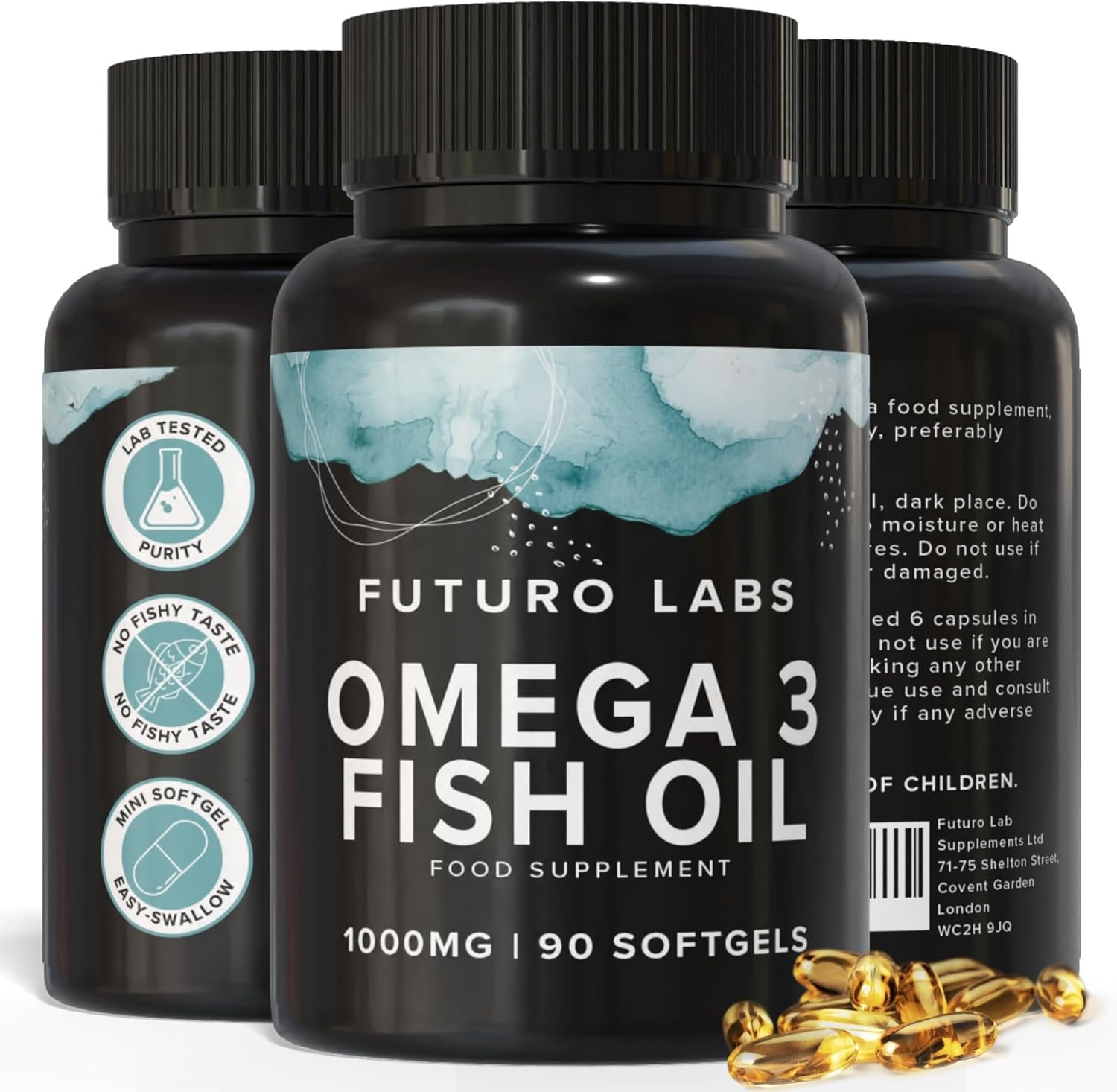
Information and routing only — pregnancy-designed products exist, professionals choose among them, and this site never sells around its own label.
At a glance
- Our label's own gate: do not use if pregnant or nursing without consulting your doctor — so this page routes, not sells
- The real biology: DHA's developmental role is genuine and register-recognised — and professionally led
- Widely followed UK fish rules: oily fish capped at two portions · shark/swordfish/marlin avoided · no retinol supplements
- The route: midwife or GP for every supplement decision — pregnancy-designed products exist
The label speaks first — and this page obeys it
Every product page on this site quotes its gates; this one is built entirely inside them: the Futuro Labs Omega 3 label states plainly — do not use if pregnant or nursing, without consulting your doctor — which means this product is not marketed to pregnant readers and this page's only honest jobs are information and routing (the label's words in full). Why the search deserves a real answer anyway: the biology is genuine — DHA is a major structural fat of the developing brain and eye, maternal intake supplies it, and the register itself recognises maternal-DHA developmental claims for products designed and labelled for that purpose — a real, regulated territory that happens to be professionally led and not this label's to enter (DHA's structural role, the adult sentence at its own gate).
The widely followed UK shape — food rules and the retinol line
What pregnancy guidance in the UK widely says about this territory, summarised for the conversation you'll have with your midwife: fish stays valuable and gets rules — up to two portions of oily fish weekly becomes a maximum in pregnancy (the same oily fish that supplies DHA also concentrates the pollutants the cap manages), white fish stays more open, and shark, swordfish and marlin leave the menu entirely on mercury grounds; tuna gets its own modest cap; and the supplement line every pregnancy page must carry — cod liver oil and other retinol-containing supplements are advised against in pregnancy, because preformed vitamin A at supplement levels is a known developmental risk: the single clearest reason pregnancy supplementation runs through professionals and purpose-built products rather than the general aisle (the retinol distinction in full). The widely followed basics that are recommended: folic acid before and through early pregnancy, vitamin D — the pair pregnancy-specific supplements are built around, retinol-free by design.
Futuro Labs Omega 3 Fish Oil
£14.99 for 90-day supply (90 softgels) · ~17p per day
Pros
- 1000mg fish oil per softgel — 180mg EPA + 120mg DHA stated
- Mini softgel, no fishy taste, lab tested
- 90-day supply at £14.99 (~17p/day), UK made
Cons
- Fish-derived, bovine-gelatin softgel — not vegan or vegetarian (algal DHA is that route)
- Ethyl-ester form — take with a meal; DHA brain/vision register claims need 250mg DHA daily, above the one-a-day serving
Available from: Amazon UK — £14.99
The conversation to have — and the honest close
How to actually resolve the question that brought you here: take it to your midwife or GP — the DHA conversation is a standard one in antenatal care, pregnancy-designed omega products exist (built to the maternal-DHA territory, labelled for it, retinol-free), and your care team can weigh your diet (a fish-eating week may already cover it), your history and your preferences in a way no supplement page can or should; breastfeeding readers are in the same professionally-led lane with the same routing. What this site will not do, stated as policy: sell around its own label — no reframing, no 'check with your doctor' asterisk attached to a checkout, no pretending the gate is a formality; the gate is the page. For every non-pregnant reader who arrived here researching ahead: the general cluster resumes at the family, the ladder and the plate, with the standing gates as ever — any medication → doctor first per the label (the conversation). Omega 3 in pregnancy, answered the only honest way: real biology, real rules, a real conversation with your midwife — and a label whose 'do not use' this page treats as the final word it is.
Frequently asked questions
Should I take omega 3 or fish oil in pregnancy?
This product's answer comes off its own label first: do not use if pregnant or nursing without consulting your doctor — so Futuro Labs Omega 3 is not marketed to pregnant readers, full stop, and this page exists to inform and route rather than sell. The territory itself is professional-led: DHA's developmental role is real and register-recognised, and every supplement decision in pregnancy belongs with your midwife or GP.
What does UK guidance say about fish and omega 3 when pregnant?
The widely followed shape: fish stays on the menu with pregnancy-specific rules — up to two portions of oily fish weekly (a maximum in pregnancy, not just a target), and shark, swordfish and marlin avoided entirely. Separately, cod-liver-oil and other retinol-containing supplements are advised against in pregnancy because of vitamin A. Your midwife translates all of it for your situation.
Which supplements are actually recommended in pregnancy?
The widely followed UK basics are folic acid (before and through early pregnancy) and vitamin D — with pregnancy-specific multivitamins built around exactly that, avoiding retinol. Whether a DHA product belongs alongside is a midwife or GP conversation: pregnancy-designed options exist, and choosing among them is precisely what your care team is for.
Researching ahead, not pregnant?
Futuro Labs Omega 3 — the general base layer. £14.99.
Shop on Amazon UK