Cod Liver Oil: Vitamins-First Heritage, Ceiling Included
The spoonful was an A+D delivery system before it was an omega one — and body oil's quiet advantage is exemption from the maths.
At a glance
- The split: liver oil = A + D + modest omega · body oil = the pure EPA/DHA play
- The retinol ceiling: cumulative, real, and absolute in pregnancy — CLO's defining maths
- The heritage decoded: the spoonful was an A+D delivery system before it was an omega one
- The router: three-in-one traditionalists → CLO with accounting · payload buyers → body oil
Two oils, one fish — the organ decides everything
Cod liver oil and fish oil share a shelf and an ancestor, and the difference is anatomical: CLO is pressed from the liver — the organ where fat-soluble vitamins concentrate — making it naturally a three-nutrient product: vitamin A (retinol, substantially), vitamin D (meaningfully), and omega-3 (modestly, with EPA+DHA per spoon or capsule typically landing below dedicated body oils); fish oil is pressed from body flesh — the pure fatty-acid play, no meaningful retinol, built and concentrated for the EPA/DHA payload this whole cluster ranks by (carrier and payload, the pair). The heritage, decoded honestly: the historic spoonful earned its reputation as an A-and-D delivery system in deficiency-era Britain — rickets prevention by teaspoon — with the omega story attaching later: understanding CLO as vitamins-first explains both its endurance and its modern accounting problem.
The retinol ceiling — CLO's defining maths
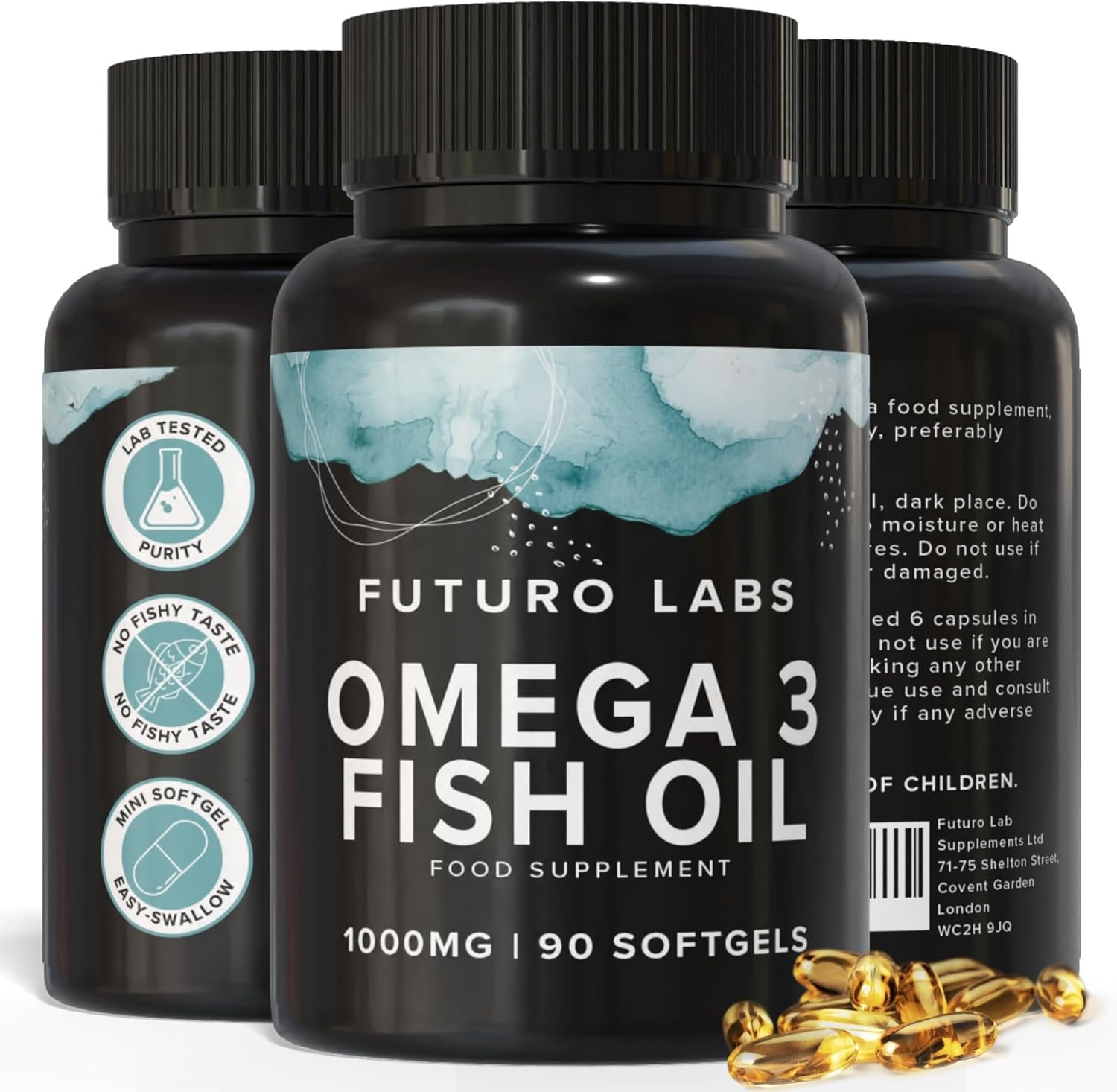
What separates the two products in practice is a single nutrient's arithmetic: retinol is essential and accumulative, and CLO carries real amounts of it — which creates the three accountancy rules every CLO household needs: cumulative intake — CLO stacks with retinol-containing multivitamins and with liver on the dinner table, and the sums add whether or not anyone does them; long-term ceilings — sustained high retinol intakes carry documented concerns (bone health in older adults among them), making the label's dose a line rather than a suggestion; and the absolute rule — retinol supplements including cod liver oil are advised against in pregnancy, the clearest supplement contraindication in the aisle and the reason the pregnancy page names CLO specifically. Body oil's quiet advantage is simply exemption: Futuro Labs Omega 3 carries no vitamin A — the payload without the bookkeeping, stackable beside any multivitamin without an audit (that stacking page).
Futuro Labs Omega 3 Fish Oil
£14.99 for 90-day supply (90 softgels) · ~17p per day
Pros
- 1000mg fish oil per softgel — 180mg EPA + 120mg DHA stated
- Mini softgel, no fishy taste, lab tested
- 90-day supply at £14.99 (~17p/day), UK made
Cons
- Fish-derived, bovine-gelatin softgel — not vegan or vegetarian (algal DHA is that route)
- Ethyl-ester form — take with a meal; DHA brain/vision register claims need 250mg DHA daily, above the one-a-day serving
Available from: Amazon UK — £14.99
The honest router — and the close
Who buys which, without a strawman in sight: cod liver oil honestly serves the traditionalist wanting one capsule across A, D and some omega — a legitimate three-in-one for the adult who does the A-maths, respects the dose line, and isn't pregnant or stacking other retinol; body oil serves the payload buyer — the 250mg everyday heart condition met cleanly (this label's 300mg at one softgel — the claim held), vitamin D handled separately and deliberately (the pairing page, where the autumn-winter D habit gets its own honest treatment), and no ceiling to account: the modern default for a reason. Constants across both bottles: with-a-meal chemistry (why), freshness as the category's real axis (the failure mode), and the gates — pregnancy routes as above, any medication → doctor first per the label (the conversation). Fish oil versus cod liver oil, settled by the organ: vitamins-first heritage with a ceiling, or payload-first modernity without one — both honest, one accountant required.
Frequently asked questions
What's the difference between omega 3 fish oil and cod liver oil?
The organ, and everything downstream of it: cod liver oil is pressed from liver and naturally carries vitamins A and D alongside modest omega-3 — a three-nutrient product with a retinol ceiling to respect; body-oil fish oil (like Futuro Labs Omega 3) is the flesh-pressed pure EPA/DHA play, no vitamin A, built for the payload alone. Different products for different jobs, with the A-maths deciding who buys which.
Is cod liver oil's vitamin A dangerous?
It's a ceiling, not a poison: retinol is essential and accumulative — the concerns are cumulative intake (CLO plus a retinol multivitamin plus liver dinners stacks the same nutrient), long-term high intakes and bone health in older adults, and the absolute pregnancy line: retinol supplements including CLO are advised against in pregnancy. CLO users just need to be the household's A-accountant.
Which should I actually buy?
By job: wanting one traditional capsule covering A, D and some omega — CLO honestly serves, with the A-maths done; wanting the EPA/DHA payload cleanly (the 250mg heart condition met, no retinol bookkeeping, stackable with any multivitamin) — body oil is the modern default, and this label's 300mg does it at 17p. Pregnancy: neither without a professional, and never CLO.