Multivitamin: Insurance and Infrastructure Aren't Rivals
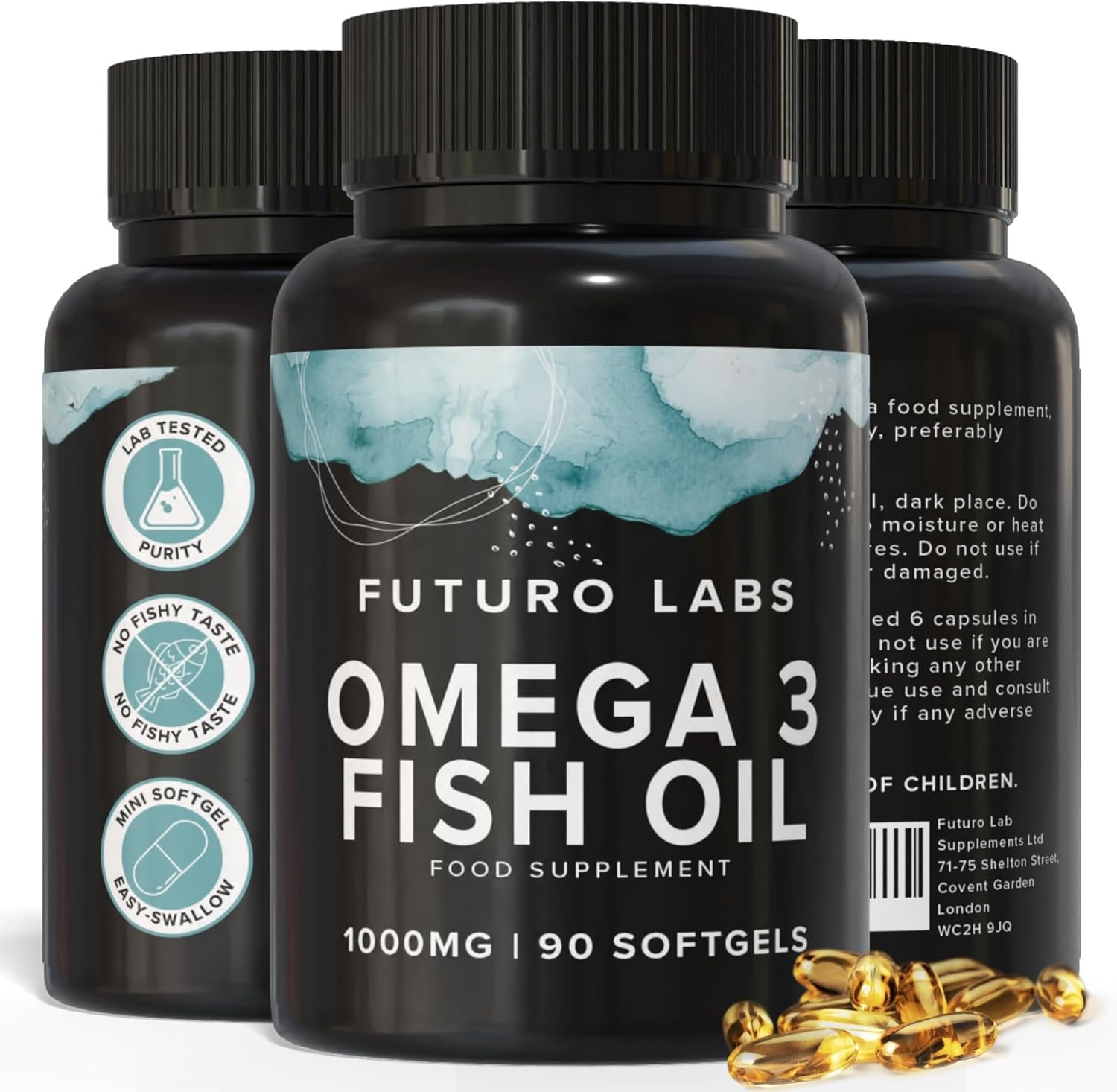
A volume problem, not a formulation choice — with the shared fatty breakfast as the default both products prefer.
At a glance
- Different products, different deficits: micronutrient insurance vs the essential-fat line
- Check any multi's panel: omega is absent or token — tablets can't spare the volume
- Stacking: same meal, no choreography — one A-audit if cod liver oil is involved
- Either/or: resolved by your plate's actual gap — often neither alone
Why the multi doesn't cover this — a volume problem, not a formulation choice
The comparison resolves on physics before nutrition: meaningful omega-3 is an oil requiring volume — 300mg of EPA+DHA needs a 1000mg oil carrier, a whole softgel's worth of space (the carrier maths) — while a multivitamin is a compression exercise: dozens of micronutrients pressed into one tablet, with no room for the millilitres an omega dose occupies. Check any multi's panel and the pattern confirms: omega-3 absent entirely from most, token where present (double-digit milligrams that serve the ingredient list, not the 250mg condition — the condition), and the rare 'multi + omega' combination products simply bundling a separate softgel into the box. Two products exist because two jobs exist: micronutrient insurance across the alphabet, and the essential-fat line that needs its own vehicle (that line's case).
Running both — the stack with one audit
The coexistence protocol, brief because genuinely simple: same meal works perfectly — no separation choreography applies, and the multi's fat-soluble members (A, D, E, K) arguably ride a fatty meal better anyway, making the shared breakfast the sensible default rather than a compromise (the cascade both products like, the anchor logic). The one genuine cross-check in this pairing: vitamin A — if the omega side of your stack were cod liver oil, its retinol stacks with any retinol in the multi and the sums need doing (that page's whole accounting); a body-oil product carries no A and retires the audit entirely — which is Futuro Labs Omega 3's quiet stacking advantage: 300mg EPA+DHA, zero retinol, beside any multivitamin without arithmetic (the record).
Futuro Labs Omega 3 Fish Oil
£14.99 for 90-day supply (90 softgels) · ~17p per day
Pros
- 1000mg fish oil per softgel — 180mg EPA + 120mg DHA stated
- Mini softgel, no fishy taste, lab tested
- 90-day supply at £14.99 (~17p/day), UK made
Cons
- Fish-derived, bovine-gelatin softgel — not vegan or vegetarian (algal DHA is that route)
- Ethyl-ester form — take with a meal; DHA brain/vision register claims need 250mg DHA daily, above the one-a-day serving
Available from: Amazon UK — £14.99
The either/or question — resolved by the plate
For the buyer choosing one: the sort runs through your actual gaps — a varied, vegetable-forward diet whose only reliable miss is oily fish has an omega-shaped gap: the fat line is the purchase, the multi is redundancy (the sort in full); a chaotic, repetitive diet missing breadth has insurance-shaped gaps: the multi's case leads, with the omega line joining when budget allows; and the honest resolution most readers land on — different deficits, different products, ~17p apiece a day — is why the question rarely stays either/or (the value maths). Constants: food outranks both bottles where it's achievable (the plate); the quiet clock applies to the fat line as ever (the timeline); and the gates — pregnancy, nursing or any medication → doctor first per the label, with pregnancy multivitamins specifically being their own retinol-free professional territory (that page). Multivitamin versus omega, closed as the non-contest it is: insurance and infrastructure, tablet and oil — different jobs, one breakfast, and a panel-check that settles it in ten seconds.
Frequently asked questions
Does my multivitamin cover omega 3?
Almost certainly not — check the panel and you'll usually find omega absent entirely or token (an oil needs volume a pressed tablet can't spare), which is why the two products coexist rather than compete: a multivitamin is micronutrient insurance, an omega capsule is the essential-fat line, and neither does the other's job.
Should I take fish oil and a multivitamin together?
Freely — same meal works, the fat-soluble vitamins in the multi arguably ride the fatty meal better anyway, and no separation choreography applies. The one genuine cross-check is vitamin A: if your omega choice were cod liver oil and your multi carries retinol, the sums stack — a body-oil product like ours carries no A and retires the audit.
If I could only buy one, which?
By your plate's gaps: a varied diet missing only oily fish → the omega line is the gap, buy that; a chaotic diet missing breadth → the multi's insurance case leads. The honest answer most weeks is that they're answering different deficits — which is why the question rarely stays either/or at 17p a day.