Storage: Match the Format to the Life
Really three products' storage — the tradition's shipping logic, the perishable tier's craft, and the indifferent tier's whole manual in a sentence. Freshness by throughput, as ever.
At a glance
- Dried raw: a year-plus, cool-dry-sealed — the tradition's shipping logic
- Gel: 2-4 fridge weeks · airtight · clean spoons · nose as final authority · freezes well
- Capsules/powders: cupboard rules and the best-before — the low-maintenance tier
- The universal enemies: moisture, heat, contamination — same three, every format
Three formats, three clocks
Sea moss storage is really three products' storage. Dried raw moss — the tradition's format for a reason: properly dried and salted seaweed is shelf-stable for a year and beyond in cool, dry, sealed conditions, which is how it crossed oceans historically and why the raw pouch remains the pantry-friendly starting material; its enemies are moisture (clumping, then spoilage) and humid cupboards, its friends airtight jars away from the kettle's steam. Prepared gel — the perishable tier: soaking and blending starts a biological clock, refrigerated life runs 2-4 weeks with variance by hygiene and batch, and decline announces itself unambiguously by smell (the ocean-versus-decay sort is the gel-keeper's core skill). Capsules and powders — the indifferent tier: cupboard-cool, lid closed, inside the best-before; the extract's stability is the format's quiet feature (the fork's logistics column).
Gel craft — the perishable tier done properly
For the gel-makers and gel-buyers, the practices that buy the full window: airtight always — exposure is the accelerant; back-of-fridge placement — coldest and most temperature-stable, not the door; clean-spoon discipline — double-dipping inoculates the jar with everything the spoon met, and it's the single most common cause of early spoilage; batch-sizing to consumption — making a fortnight's gel for a daily habit beats a month's jar decaying past its use; and the freezer as the format's genuine upgrade — portioned into ice-cube trays, gel keeps for months, thaws overnight, and turns batch-making from a race against the clock into ordinary meal prep. The final authority never changes: the nose over the calendar — sour, ammonia or off notes end any jar regardless of date, and a gel that smells wrong at day ten was wrong, whatever the label hoped.
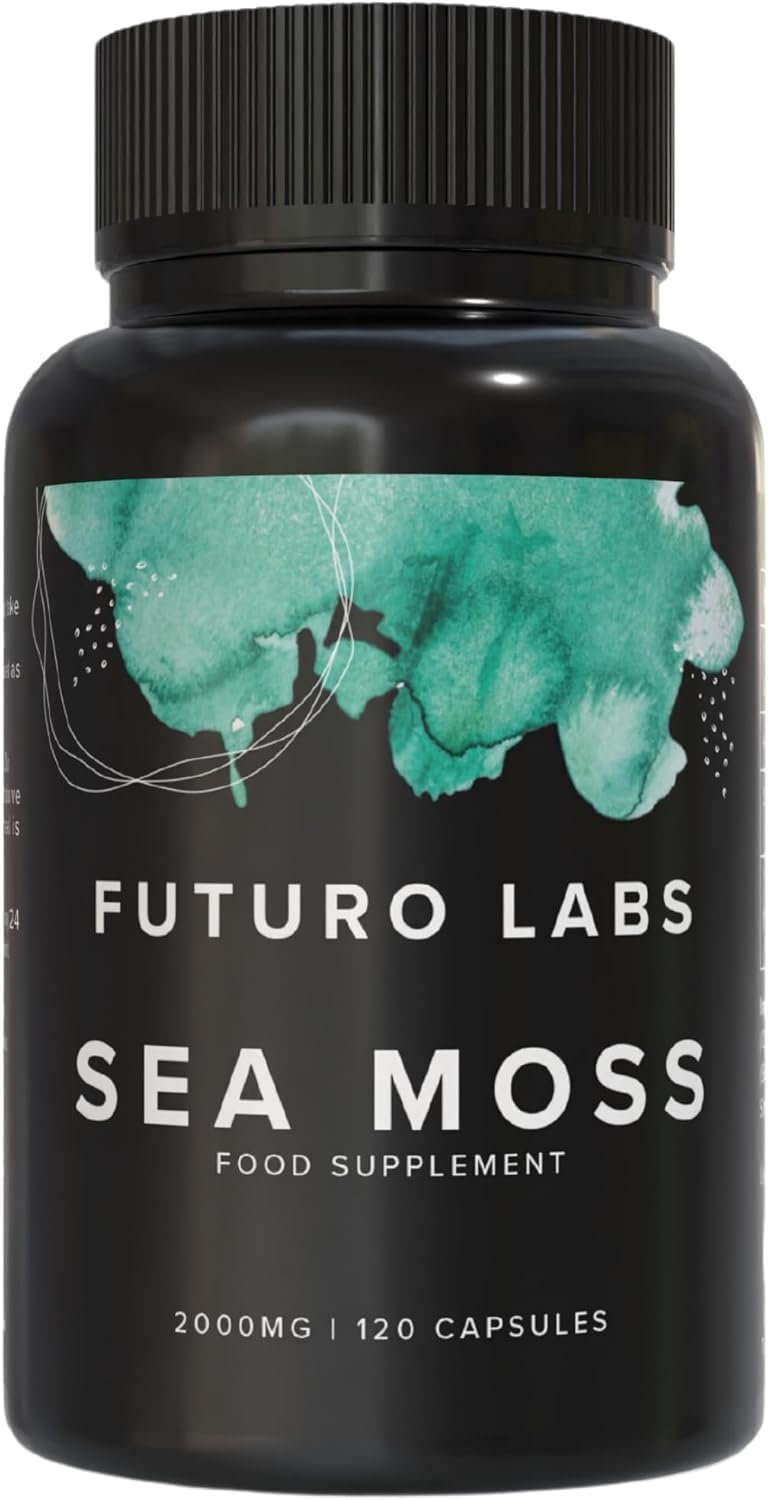
Futuro Labs Sea Moss
£9.99 for 60-day supply (120 capsules) · under 17p per day
Pros
- 2000mg raw sea moss equivalent per serving (15:1 extract)
- Wildcrafted North Atlantic Chondrus crispus — named species and origin
- Independently lab tested — heavy metals and microbiology
- Single-ingredient vegan capsules, UK GMP made
- 60-day supply £9.99 — under 17p/day
Cons
- Iodine content varies by harvest — not for precise-dose needs
- Young brand next to high-street names
Available from: Amazon UK — £9.99
Capsule simplicity, buying-size logic, and the travel footnote
The low-maintenance tier's whole manual: cool, dry cupboard away from steam sources and radiators, lid properly seated, consumed inside the best-before — no fridge (unnecessary), no decanting rituals, the shell and the extract's stability doing the work (Futuro Labs' 60-day bottle sized so a daily habit finishes it comfortably fresh at £9.99 — freshness by throughput being the quiet best strategy in any format). Buying-size logic across the tiers: purchase what your habit finishes — the bargain bulk raw pouch that dampens in month eight, or the giant gel jar outliving its fridge window, weren't bargains (the per-serving unit applies to spoilage too); and the travel footnote the formats decide: capsules fly and commute indifferently (cupboard rules travel), gels don't leave the fridge's orbit happily — one more line in the fork for anyone whose routine moves (the consistency the storage serves). Three formats, three clocks, one principle: match the format to the life, and storage stops being a topic.
Frequently asked questions
How long does sea moss last?
By format, dramatically: dried raw moss keeps a year-plus in cool, dry, sealed storage (the tradition's whole logistics); prepared gel lasts 2-4 weeks refrigerated and announces its decline by smell; capsules and powders run on their best-before dates in ordinary cupboard conditions — the low-maintenance tier. The nose rules gels absolutely; the calendar rules the rest reasonably.
How should I store sea moss gel?
Airtight container, back of the fridge (coldest, most stable), clean spoon every time (double-dipping inoculates the jar), and the smell-check as ritual — sour, ammonia or off notes are the end regardless of date. Freezing works genuinely well for batch-makers: portion into cubes, months of life, thaw as needed.
Do capsules need any special storage?
Just the boring rules: cool, dry cupboard away from steam and radiators, lid properly closed, inside the best-before — no fridge (unnecessary), no rituals. The format's storage indifference is half its case: a 60-day bottle that lives beside the kettle and asks nothing.