Daily Sea Moss: Inside the Frame, Boring by Design
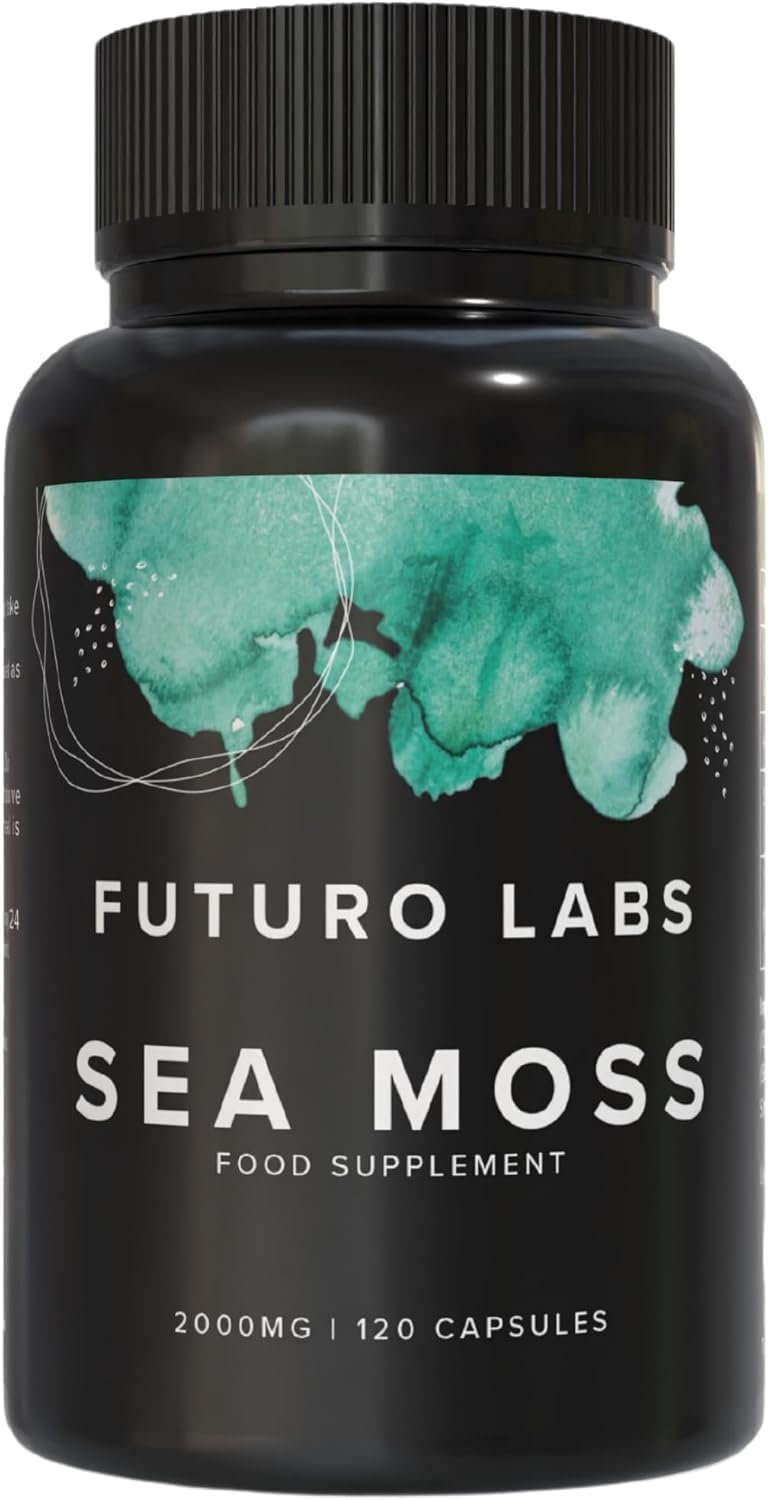
The question inverts: contribution only works as a pattern, and the architecture that makes daily comfortable is one product, label dose, no stacking, diet counted. Imported cycling anxiety answered.
At a glance
- Daily = the design: consistent dietary support inside the iodine frame
- No cycling needed: discipline replaces protocols — one product, label dose, no stacking
- Long-term = the same rules, kept: boring consistency is the safety story
- The gates never expire: thyroid/meds/pregnancy → professional first, at any point
Why daily is the design, not the risk
The question inverts nicely: sea moss isn't a compound you dose around events — it's a whole-food mineral contributor, and contribution only works as a pattern; a serving on random Tuesdays does nothing measurable, while a daily serving becomes part of your iodine-and-trace-mineral baseline the way regular fish or dairy would. The safety architecture that makes daily comfortable is the discipline this cluster repeats: one product at label dose (Futuro Labs' single serving delivers 2000mg raw-equivalent via 15:1 extract — the whole protocol), no stacking with kelp, iodine tablets or additional sea moss formats (the arithmetic), and your diet's existing carriers counted mentally so the total stays inside the UK frame. Daily inside that architecture is normality; the calendar was never the variable.
The cycling question — imported anxiety, answered
Supplement culture loves a cycling protocol, and sea moss gets asked for one it doesn't need: at sensible servings inside the frame, the body's own iodine regulation handles daily intake — there's no receptor-fatigue story, no tolerance mechanism, no evidence-based on-off schedule, and the cycling talk around the category is mostly borrowed from herbal traditions where it belongs to other compounds. What earns the slot instead: an occasional sense-check when your diet genuinely shifts — a move to heavy fish-and-dairy eating, adopting iodised salt, adding any new seaweed food — because the frame counts all sources; and the settling-in grace of the first week's digestive adjustment (the mild tier), which is an introduction, not a cycle. Consistency, in this category, is both the mechanism and the safety feature (the timeline logic).
Futuro Labs Sea Moss
£9.99 for 60-day supply (120 capsules) · under 17p per day
Pros
- 2000mg raw sea moss equivalent per serving (15:1 extract)
- Wildcrafted North Atlantic Chondrus crispus — named species and origin
- Independently lab tested — heavy metals and microbiology
- Single-ingredient vegan capsules, UK GMP made
- 60-day supply £9.99 — under 17p/day
Cons
- Iodine content varies by harvest — not for precise-dose needs
- Young brand next to high-street names
Available from: Amazon UK — £9.99
The long haul — and the gates that never expire
Long-term daily use restates the iodine file rather than adding to it: years of single-serving discipline inside the frame is dietary normality with nothing accumulating that shouldn't, while the case-report literature belongs almost entirely to stacked and oversized enthusiasm — the kelp-plus-gel-plus-gummies pattern this cluster exists to talk people out of. The long-haul rules: thyroid-medication users keep their GP in the loop for as long as both continue (dose interplay is ongoing, not a one-time check — that page); everyone watches for the mineral's warning territory (palpitations, temperature intolerance, marked unexplained shifts — stop-and-GP, not push-through); and the professional gates never expire — a thyroid diagnosis, a pregnancy, a new prescription at year three restarts the conversation exactly as at day one. The honest summary: daily sea moss is safe the way daily anything is safe — by staying inside its frame — and the frame here is printed, cheap to respect, and 17p a day to run (this page and the evidence spine travelling together).
Frequently asked questions
Is it safe to take sea moss every day?
For most healthy adults, yes — at one label-dose serving of a tested product, daily use is exactly how sea moss is meant to work: a consistent dietary contributor inside the UK iodine frame (~140mcg need, 500mcg ceiling from all sources). The safety architecture is the discipline, not the calendar: single product, no seaweed stacking, diet counted, and the professional gates respected — thyroid conditions or medication, pregnancy, precise-dose needs all route through GP, pharmacist or midwife first.
Do you need to cycle sea moss or take breaks?
No cycling protocol exists or is needed at sensible servings: the body regulates iodine intake within the frame daily use respects, and 'cycling' talk in this category is mostly imported from other supplement cultures. What replaces it: an annual sense-check of your overall iodine picture if your diet shifts (going heavy on fish and dairy, adding iodised salt), and the standing stop-and-ask rule for anything persistent or odd.
Can long-term sea moss use cause problems?
The long-term question is the iodine question restated: years of disciplined single-serving use inside the frame is dietary normality, while years of stacked, oversized or kelp-added enthusiasm is how the case-report literature gets written. Long-term users on thyroid medication keep their GP in the loop as doses interplay; everyone else keeps the one-product rule and lets boring consistency be the whole story.
Running the pattern?
Futuro Labs Sea Moss — 60 days, 17p, discipline included. £9.99.
Shop on Amazon UK