Sea Moss + Thyroid Medication: Ask First, Always
Most content answers 'can I combine' with scheduling tips; this page answers with a routing. Iodine sits on the exact system the medication manages — and the people holding your history beat any website, including this one.
At a glance
- The rule: thyroid medication + sea moss = GP/pharmacist conversation BEFORE the first capsule
- Why: iodine sits on the exact system the medication manages — background changes matter
- Timing is second: levothyroxine's strict window governs supplements — but whether precedes when
- Ongoing, not one-off: if approved, the GP stays in the loop while both continue
The page that says no before it says how
Most supplement content answers 'can I combine' with scheduling tips; this page's answer is a routing: if you take levothyroxine or any thyroid medication, the sea moss decision belongs to your GP or pharmacist before the first capsule — not because seaweed is sinister, but because of exactly what makes it relevant: iodine is the thyroid system's raw material, your medication is calibrated against your system's current behaviour, and a new daily iodine source changes the background that calibration assumes. Intake shifts can alter how a stable dose lands — in either direction depending on your condition's cause and residual function — and the people equipped to predict yours are the ones holding your history. 'Natural' does not mean 'neutral' anywhere in medicine, and least of all here.
What the conversation covers — so you can have it well
The consult is short and specific, and arriving informed makes it shorter: your medication and dose (levothyroxine's strict absorption rules — empty stomach, clear of food, supplements and minerals by hours — already govern where any supplement could sit, and your pharmacist will specify the window); your condition's direction and cause (autoimmune hypothyroidism, post-surgical, nodular — each changes how added iodine behaves); your diet's existing iodine picture (fish, dairy, iodised salt — the frame counts all sources, and the content page maps it); and the product's honest spec if approved — a single-serving, moderate-band Chondrus crispus product with variability printed rather than a kelp blend or stacked-format enthusiasm (why the species matters). Possible outcomes all count as wins: a yes with conditions, a no with reasons, or a not-yet pending your next blood check — each beats guessing with your own endocrine system.
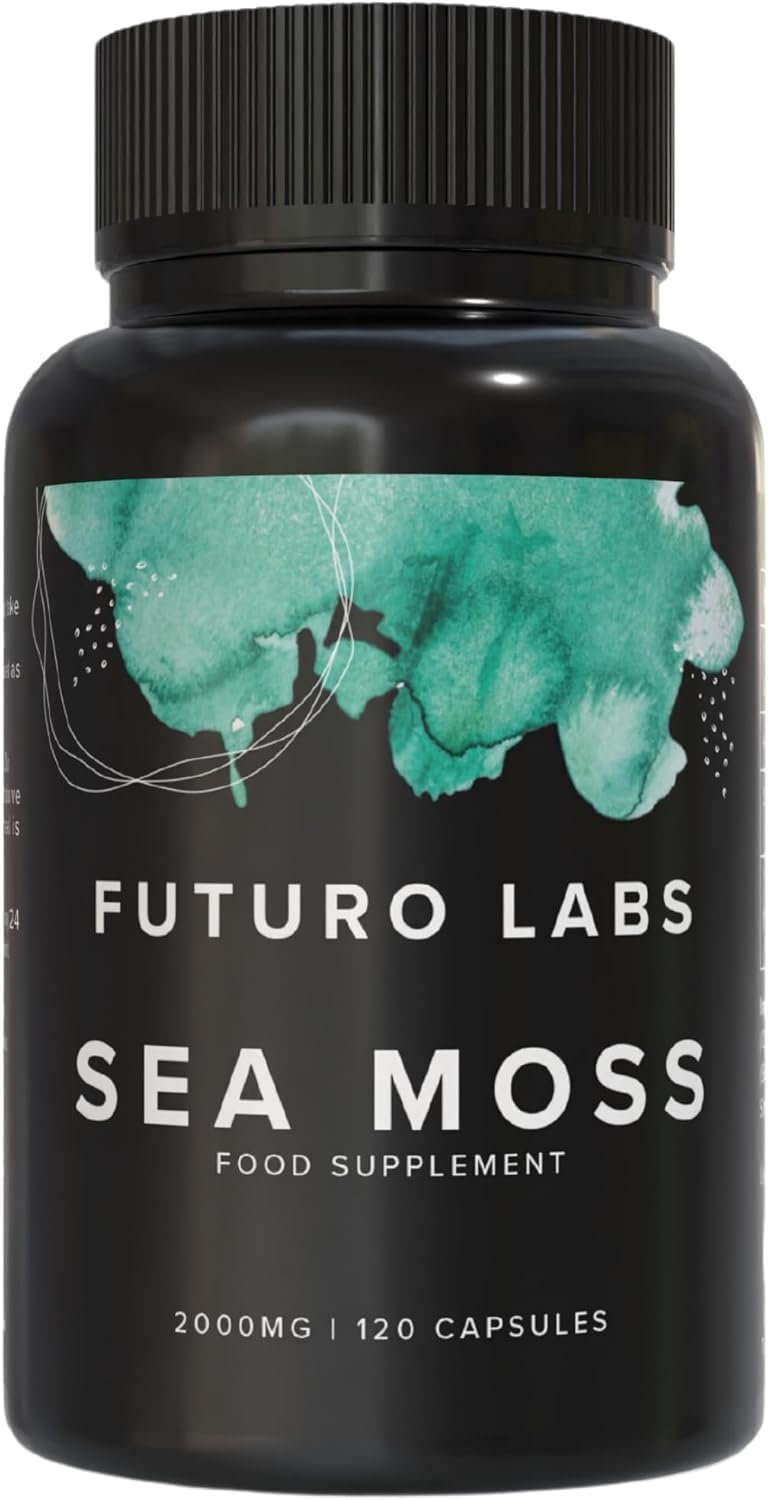
Futuro Labs Sea Moss
£9.99 for 60-day supply (120 capsules) · under 17p per day
Pros
- 2000mg raw sea moss equivalent per serving (15:1 extract)
- Wildcrafted North Atlantic Chondrus crispus — named species and origin
- Independently lab tested — heavy metals and microbiology
- Single-ingredient vegan capsules, UK GMP made
- 60-day supply £9.99 — under 17p/day
Cons
- Iodine content varies by harvest — not for precise-dose needs
- Young brand next to high-street names
Available from: Amazon UK — £9.99
The ongoing rules — and the wider list this page stands for
Approval isn't a one-time stamp: if your GP clears sea moss alongside medication, the loop stays open for as long as both continue — routine thyroid bloods do the monitoring the combination deserves, dose adjustments are the system working rather than failing, and new symptoms on the mineral's territory (palpitations, temperature intolerance, marked unexplained energy or weight shifts) are report-promptly events (the file). The wider list this page stands for, because the routing generalises: pregnancy and breastfeeding — midwife or GP first, always (iodine needs shift and guidance beats supposition); any thyroid condition unmedicated — same gate; and anyone whose pharmacist flags seaweed against their wider prescription list — the flag wins. The cluster's standing sentence, earned here more than anywhere: this site sells sea moss at £9.99 and would rather lose every sale on this page than have one reader self-experiment against their own prescription (the daily-safety companion, and the thyroid-support page's same gates).
Frequently asked questions
Can you take sea moss with thyroid medication?
Not without your GP or pharmacist — this page's whole answer: sea moss's iodine sits directly on the system levothyroxine and other thyroid medicines are calibrated to manage, intake changes can shift how well a stable dose works, and 'natural' does not mean 'neutral' here. The conversation is short, free and specific: your medication, your condition's direction, your diet's existing iodine — and their answer beats any website's, including this one.
Why does iodine matter so much with levothyroxine?
Because the medication replaces what the thyroid isn't making, and iodine is the raw material of the system being replaced: meaningful changes in iodine intake can alter residual thyroid activity and how the prescribed dose lands — in either direction depending on your condition's cause. Stable medication assumes a stable background; a new daily seaweed serving changes the background, which is exactly what the prescriber needs to know about.
What about timing — can sea moss and levothyroxine be taken together?
Levothyroxine's absorption rules already exist and are strict — empty stomach, away from food, supplements and especially minerals — so any supplement, sea moss included, belongs well clear of the medication window (your pharmacist will specify; several hours is the common shape). But timing is the second question: whether to take sea moss at all on thyroid medication is the first, and it's the professional's to answer.
Cleared by your GP?
Futuro Labs Sea Moss — the discussable single-serving spec. £9.99.
Shop on Amazon UK