Supplements for Gut Health: The Honest Tier List
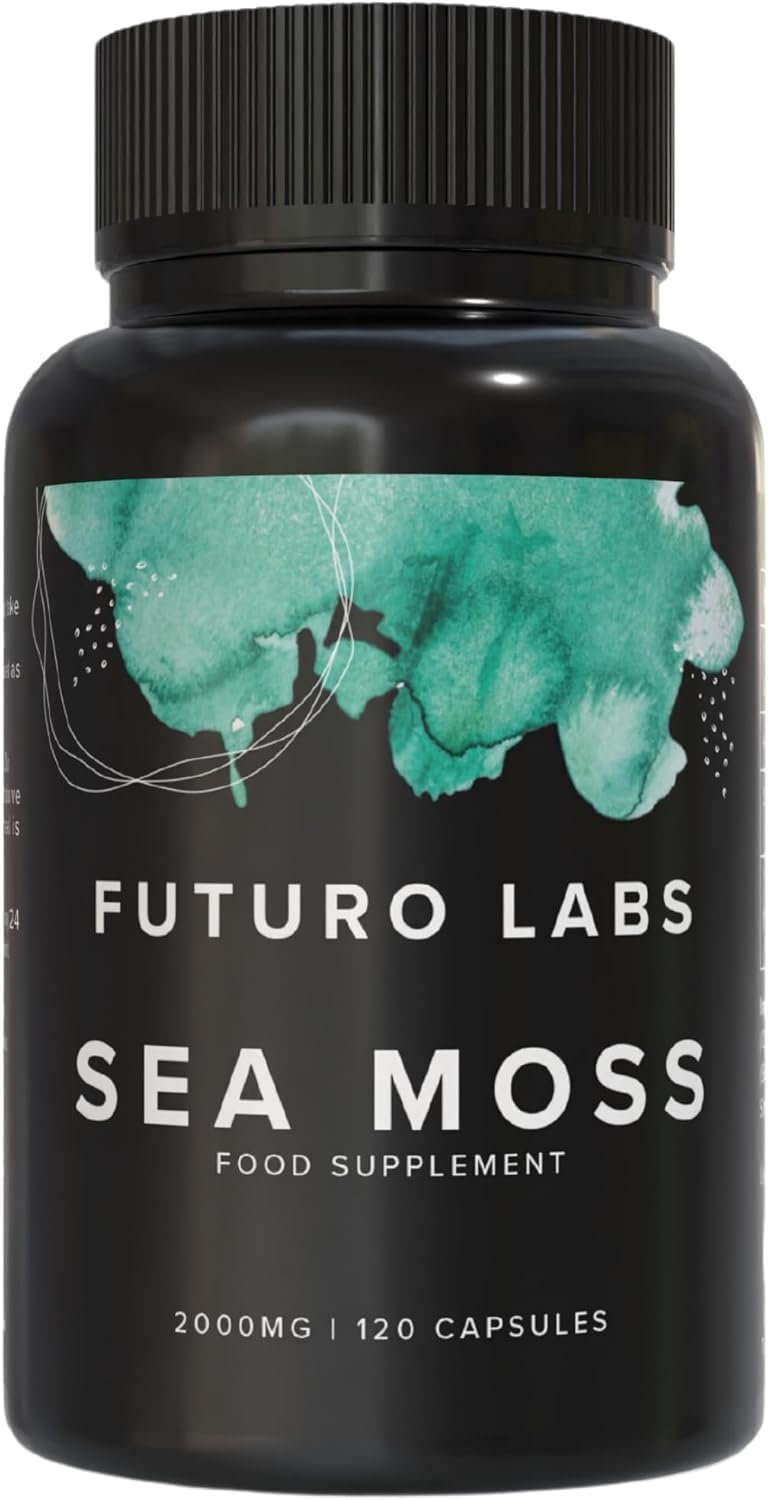
The aisle sorted by file size — with the boring fibre crown intact and the periphery priced as periphery.
At a glance
- The ranking: fibre (psyllium's file leads) → targeted probiotics → prebiotics → peripheral players
- Probiotic honesty: strain-specific, mostly temporary, best post-antibiotics and for some IBS patterns
- The constant: food diversity outranks every capsule on this page
- Red flags: blood, weight loss, persistent change → GP before any supplement decision
The tier list — what the evidence actually ranks
The gut-supplement aisle, sorted by file size: tier one, fibre — the unglamorous winner: psyllium husk holds the category's best evidence for regularity and stool normalisation (working both directions), with methylcellulose and friends behind it — cheap, boring, effective, and still second to dietary fibre's diversity advantage; tier two, probiotics — genuinely useful in specific lanes: certain strains reduce antibiotic-associated diarrhoea risk when started alongside the course, and some strains show modest benefits in IBS symptom patterns — but effects are strain-specific (a label naming strains and doses is the minimum entry fee), colonisation is largely temporary, and the generic 'top up your good bacteria' pitch outruns the science; tier three, prebiotics — inulin-type fibres that feed resident species: real mechanism, gas-prone introduction, gradual dosing essential; the honest footnote — nothing here holds authorised gut-health claims: this is a research-graded tier list, not a register one (the lifestyle levers that outrank it).
The peripheral players — seaweed and peptides, sized honestly
Two supplements readers ask about deserve their honest paragraph: sea moss — the seaweed's polysaccharides (carrageenan-family fibres) sit in prebiotic-adjacent research territory: interesting marine fibre chemistry, thin human trial file, no claims — a legitimate diversity-column entry rather than a gut treatment, with its natural iodine as the genuinely notable content: Futuro Labs Sea Moss supplies it as 2000mg-equivalent from 15:1 extract at £9.99 for 60 days, sold on exactly those honest terms (the full sea moss gut page, the prebiotic mechanics); collagen — the gut-collagen thread (glycine and glutamine's roles in intestinal tissue, early research interest in barrier function) explains its appearance in gut conversations: mechanism-stage rather than outcome-proven, and covered honestly on its own page (that file); the shared rule — peripheral players earn peripheral budget: after the fibre target, the plant diversity and any targeted probiotic need, not before.
Futuro Labs Sea Moss
£9.99 for 60-day supply (120 capsules) · under 17p per day
Pros
- 2000mg raw sea moss equivalent per serving (15:1 extract)
- Wildcrafted North Atlantic Chondrus crispus — named species and origin
- Independently lab tested — heavy metals and microbiology
- Single-ingredient vegan capsules, UK GMP made
- 60-day supply £9.99 — under 17p/day
Cons
- Iodine content varies by harvest — not for precise-dose needs
- Young brand next to high-street names
Buying well, sequencing well — and the close
The practical protocol: sequence — food first (30g fibre gradually, plants counted weekly, ferments introduced), then psyllium if regularity still wants help, then strain-named probiotics for their specific lanes (post-antibiotics, diagnosed IBS patterns), then the peripheral players as budget and curiosity allow; buying rules — probiotic labels must name strains and CFU counts with storage honesty; fibre products should be single-ingredient boring; anything marketed on 'detox' or transformation language is marketing you're funding; the introduction discipline — one new thing at a time, two weeks apart, gut diary running, because attribution dies in a pile of simultaneous starts; the boundaries — red flags (blood, weight loss, persistent change, night symptoms) route to the GP before any purchase, and long-running misery deserves diagnosis rather than an ever-taller stack (one more peripheral file for completeness). Gut-health supplements, closed as ranked: fibre's boring crown, probiotics' specific lanes, prebiotics' gradual seat, the periphery priced honestly — and the ecosystem still built by the plate, the walk and the sleep behind all of it.
Frequently asked questions
What supplements help gut health?
Ranked honestly: fibre supplements (psyllium leads the evidence for regularity), probiotics (strain-specific and modest — useful post-antibiotics and for some IBS patterns), prebiotics (inulin-type fibres that feed resident bacteria, gas-prone at first), and peripheral players like sea moss's polysaccharides and collagen's gut-adjacent research thread. Food outranks all of them.
Are probiotics worth taking?
Sometimes, specifically: evidence supports certain strains for antibiotic-associated diarrhoea and some IBS symptom patterns — but effects are strain-specific, colonisation is mostly temporary, and generic 'good bacteria' marketing outruns the file. Buy named strains for named purposes or spend the money on plants.
What actually builds a good gut long-term?
Diet diversity (many plant types weekly), adequate fibre with water, fermented foods, regular movement, decent sleep and managed stress — the microbiome reflects the life it's fed. Supplements adjust at the margins; the pattern builds the ecosystem.
Sea moss as an extract, not a guess?
Futuro Labs Sea Moss — 2000mg 15:1 extract, 60 days. £9.99.
Shop on Amazon UK