Screen Eyes: Sold for the Lunch, Never the Monitors
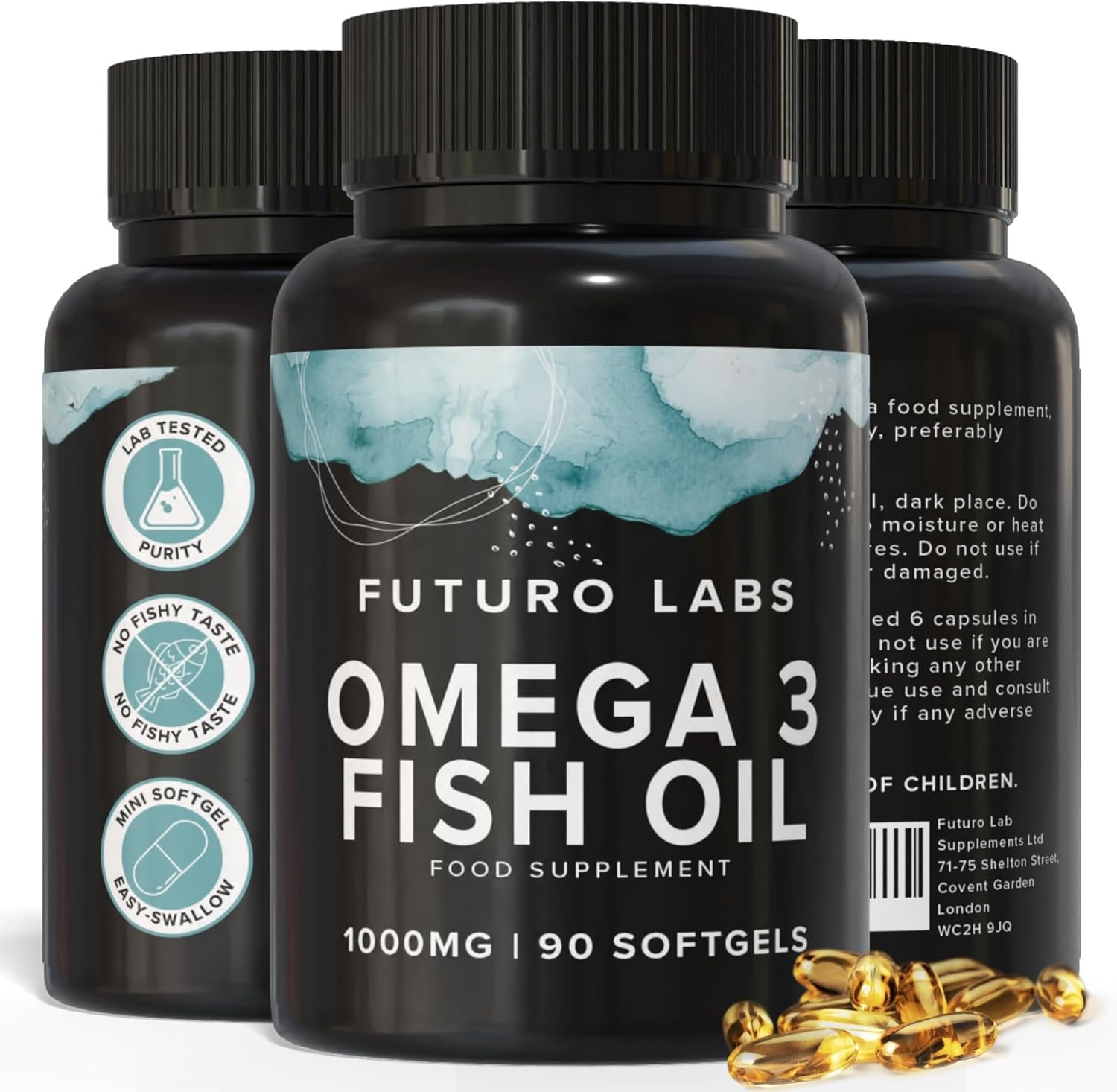
Blue-light filters don't restore blinking — dryness stays mechanical, and the meal-deal plate keeps the base-layer case at ordinary strength.
At a glance
- The mechanism: screens halve blink rates — dryness is mostly mechanical starvation of the tear film
- The omega honesty: the DREAM null travels here intact — no eye-treatment story survives it
- The desk playbook: 20-20-20 blinks · preservative-free drops · screen lower · humidity defended
- The capsule's seat: the desk worker's base layer — for the plate, not the eyes
The desk mechanism — why your eyes dry at the screen
Screen-worker dry eye has a mechanism worth two minutes because it points at every real fix: concentration suppresses blinking — screen focus roughly halves blink rate and increases incomplete blinks, starving the tear film of the refresh-and-respread cycle it runs on, while modern office air (heating, aircon, fans) evaporates what remains: a mechanical problem, produced by behaviour and environment, which is exactly why the fixes that work are behavioural and environmental (the condition's full page). The omega honesty travels here intact and early: the DREAM trial — the field's definitive randomised test of omega-3 for dry eye disease — found no benefit over placebo, the null this cluster prints at the top rather than paragraph seven, and no desk-worker framing changes it: the capsule is not an eye treatment on this page or any other (the layers).
The playbook that works — installed properly
The desk-worker fix-list, in the order eye-care professionals reach for it: the break-and-blink structure — the 20-20-20 shape (every 20 minutes, look 20 feet away for 20 seconds) with deliberate, complete blinks built in: measurable tear-film therapy that costs nothing and beats every capsule in this territory; drops done right — preservative-free lubricating drops used generously and preventively rather than rationed for crises (preservative-free matters at desk-worker frequencies); geometry — screen positioned slightly below eye level narrows the exposed ocular surface: a one-time adjustment with an all-day dividend; environment — humidity defended (aircon and fan streams off the face, a desk humidifier where the office allows), the evaporation half of the mechanism addressed; and the professional grade — persistent, painful or worsening symptoms go to a pharmacist or optician, where severity gets sorted and lid-hygiene contributors (blepharitis rides along often) get caught (the wider eye-honesty page). The blue-light note, filed accurately: filters don't restore blinking — dryness stays mechanical whatever the spectrum; evening light keeps its separate sleep conversation.
Futuro Labs Omega 3 Fish Oil
£14.99 for 90-day supply (90 softgels) · ~17p per day
Pros
- 1000mg fish oil per softgel — 180mg EPA + 120mg DHA stated
- Mini softgel, no fishy taste, lab tested
- 90-day supply at £14.99 (~17p/day), UK made
Cons
- Fish-derived, bovine-gelatin softgel — not vegan or vegetarian (algal DHA is that route)
- Ethyl-ester form — take with a meal; DHA brain/vision register claims need 250mg DHA daily, above the one-a-day serving
Available from: Amazon UK — £14.99
The honest seat — and the close
Where the capsule genuinely fits a screen-working life: the plate, as ever — desk lunches run famously fish-light (the meal-deal rotation rarely features mackerel), making the base-layer case apply at ordinary strength to this reader: one Futuro Labs Omega 3 softgel with whichever real meal the day contains, 300mg EPA+DHA meeting the everyday heart condition at ~17p, on the quiet tissue clock that promises the eyes nothing (the sort, the chemistry, the same honesty for the library desk). Gates unchanged by any office: pregnancy, nursing or any medication → doctor first per the label (the conversation). Screen workers and dry eyes, closed with the null intact: a mechanical problem given its mechanical playbook, an optician crowned over an aisle — and a capsule sold for the lunch, never the monitors.
Frequently asked questions
Does omega 3 help screen workers with dry eyes?
The honest stack: screen-related dry eye is mostly a blinking problem — screens halve blink rates and starve the tear film — and the fix-list is behavioural and optician-led, with the omega story carrying the DREAM trial's null (no benefit over placebo for dry eye disease) printed rather than dodged. The capsule stays the desk worker's base layer for the plate, never the eye treatment.
What actually helps screen-strained eyes?
The evidenced desk playbook: structured breaks with deliberate full blinks (the 20-20-20 shape — every 20 minutes, 20 seconds, 20 feet away), preservative-free lubricating drops used generously, screen position slightly below eye level (less exposed surface), humidity defended against aircon, and an optician visit that grades anything persistent.
Is blue light the problem?
Not for dryness — the blink suppression and reduced tear turnover do that work, and blue-light filters don't restore blinking. Evening screen light has its separate sleep conversation; the dry-eye fix stays mechanical: blink more, break more, lubricate properly.