UK vs US: The Molecule Never Had a Nationality
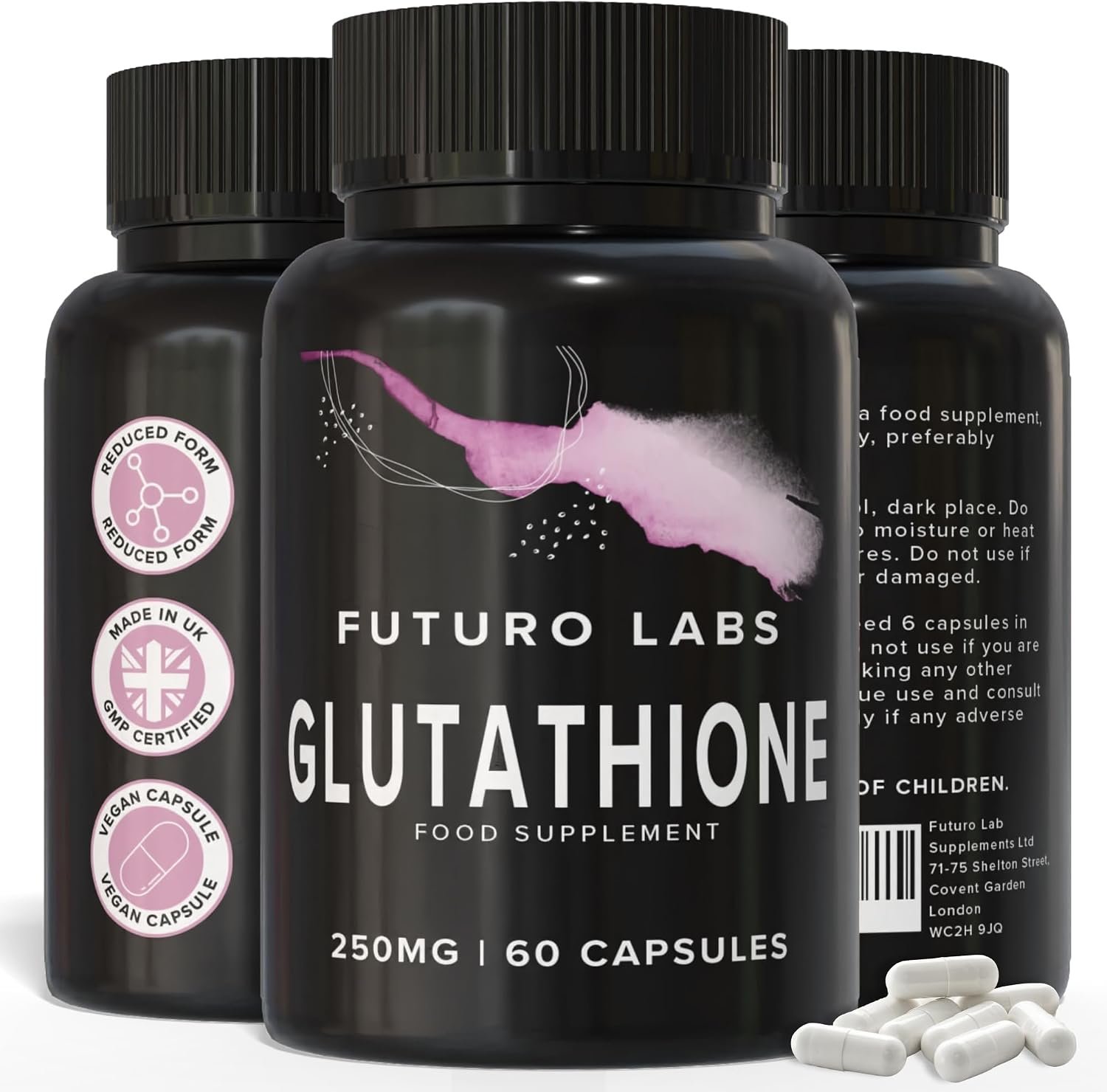
Both markets characterised fairly, the risk located in the listing not the logo, and the domestic default holding as the friction-free floor.
At a glance
- The honest frame: different, not better — US catalogue depth vs UK channel accountability
- The risk's location: the listing, not the logo — seller variance is the import tax
- The habit: official/heavily-reviewed sellers · landed maths vs the floor · cheapness as flag
- The benchmark: 77p UK-native — imports must beat it landed, not listed
The two markets, characterised fairly
The UK-versus-US question deserves characterisation before verdict: the American supplement market's genuine strengths are scale-driven — catalogue depth no UK shelf matches, and a value-brand tradition (NOW's decades of floor-pricing, Jarrow's spec-literate labelling) this site has reviewed respectfully on its own terms (NOW's file, Jarrow's) — while its UK-facing weakness is structural: those brands reach British baskets predominantly through marketplace third parties, and the channel is where every import caution lives. UK-native supply inverts the trade: narrower catalogues, but accountable operations reachable off-marketplace, ordinary consumer-rights returns, no transit mysteries — and on the molecule itself, the flag is irrelevant: correctly specified 500mg reduced glutathione is the identical active under either (the form test travels, the specification page).
The import tax, itemised — and the habit that pays it down
The channel costs, named so they can be priced: seller variance — third-party listings differ in authenticity diligence, and 'sold by' matters more than the brand name above it; opacity — storage and transit history (heat, time, handling) is invisible for a molecule whose stability deserves better; drift — landed prices move week to week and seller to seller, making yesterday's screenshot worthless; and friction — returns and disputes run clunkier across the marketplace-import stack than any domestic purchase. The habit that pays the tax down, installed once for the whole tier: official or heavily-reviewed storefronts only; landed per-day maths run against the UK floor before checkout (the 77p benchmark — its page); and suspicious cheapness read as the flag it is — an import undercutting the domestic floor has usually subtracted something the checklist there names (check three, again).
Futuro Labs Glutathione
£22.99 for 30-day supply · 77p per day
Pros
- 500mg reduced glutathione (GSH) per serving — the active form
- UK manufactured under GMP certification
- Single-ingredient, vegan, no fillers
- Independently lab tested — microbiology and heavy metals
- ~77p per day vs £1.20-1.80/day for liposomal formats
Cons
- Capsule format — no liposomal delivery system
- Newer brand versus heritage names like Solgar
Available from: Amazon UK — £22.99
The router — and the flag that never mattered
Import honestly if: you're a confident marketplace navigator, the specific listing passes the seller habit, and the landed arithmetic genuinely beats the domestic floor — a real outcome for careful shoppers, respected here without sniffiness — or a specific US spec has no UK equivalent (rare on this shelf, where 500mg reduced GSH is well served domestically). Default domestic if: friction-free is worth its ordinary price — Futuro Labs Glutathione holding the benchmark position: 500mg reduced glutathione, single-ingredient vegan, independent heavy-metals and microbiology testing, UK-native supply with ordinary returns, £22.99/30 days at ~77p — the number every landed import must beat, not merely match, since matching buys the same molecule with the channel tax still aboard (the record, the lane's ranking). Constants under any flag: zero authorised claims in either regulatory system's food-supplement lane (the spine), the 3-6 month clock (the timeline), gates always — pregnancy/breastfeeding → medical advice; prescription medication → pharmacist minute (the routing). UK versus US, closed: the molecule never had a nationality — only the channel did, and the channel was always the bill.
Frequently asked questions
Are US glutathione brands better than UK ones?
Different, not better: the US market's strengths are catalogue depth and spec-literate value brands (NOW, Jarrow); its UK-facing weakness is the channel — marketplace imports with seller variance, price drift, storage-history opacity and clunkier returns. UK-native supply trades catalogue breadth for accountability and friction-free floors — and on the molecule itself, a correctly specified 500mg reduced GSH is identical under either flag.
What's the real risk with US imports?
Rarely the brand, usually the listing: third-party sellers vary in authenticity diligence, transit and storage history is invisible, landed prices drift week to week, and returns run clunky. The protective habit: buy official or heavily-reviewed storefronts only, run landed per-day maths against the UK floor, and read suspicious cheapness as the flag it is.
When does importing actually make sense?
When the landed arithmetic genuinely wins after the seller check passes — a real outcome for careful shoppers on clean listings — or when a specific US spec has no UK equivalent. Otherwise the domestic default holds: same molecule, ordinary returns, no lottery — Futuro Labs Glutathione's 77p being the benchmark any import must beat.