GSH vs GSSG: The Cycle Behind Every Label
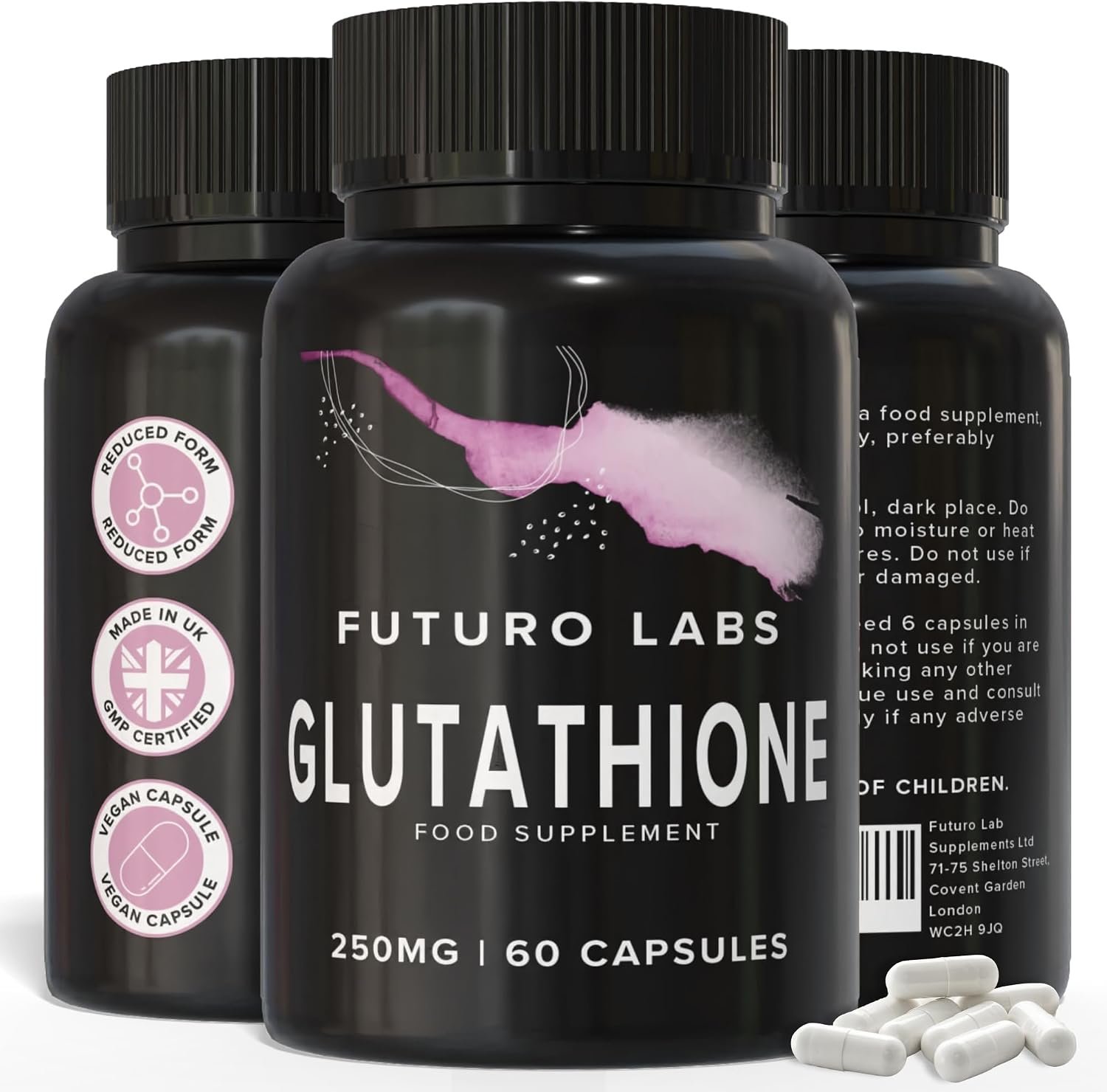
The clearest biology on the shelf, taught once — the master-antioxidant elegance, the form-line consequence, and the ratio kept as science rather than dashboard.
At a glance
- One molecule, two states: GSH (active, electron-carrying) · GSSG (spent, awaiting recycling)
- The cycle: donate → pair → recycle back — running continuously in every cell
- The label consequence: supplements specify reduced GSH — the working state, stated
- The ratio's place: research window into oxidative load — not a consumer metric
The cycle that runs your antioxidant system
The GSH/GSSG pairing is the clearest piece of biology on this shelf, and understanding it upgrades every label you'll ever read: glutathione does its work by donating an electron — the reduced form (GSH) carries that electron and hands it to reactive oxygen species and other oxidants, neutralising them; the donation leaves glutathione spent, and two spent molecules bond into oxidised glutathione (GSSG); dedicated enzymes (glutathione reductase, running on cellular energy) then split and recharge GSSG back into two active GSH — a continuous cycle turning over constantly in essentially every cell, most intensively in the liver (the molecule's fuller page). The elegance worth appreciating: the system also recharges other antioxidants — spent vitamin C and E hand their deficits back through glutathione's network — which is why researchers call it the master antioxidant: not the loudest, the one the others settle up with (that partnership's page).
Why the distinction decides labels — and one research window
The consumer consequence of the two states: a supplement should deliver the working form, and 'reduced glutathione (GSH)' on a label is that specification made — delivering GSSG would be shipping the molecule pre-spent, its role being to get recycled rather than consumed — which makes the form line the category's first honesty tell, the test this cluster's opening page installs: Futuro Labs Glutathione passes it in plain text (500mg reduced glutathione per serving, single-ingredient, £22.99/30 days), and form-silent listings fail it before any other check runs. The research window the ratio provides, sized honestly: because oxidative load shifts the balance toward GSSG, the GSH:GSSG ratio serves laboratories as a readout of cellular oxidative status — genuinely useful science, frequently borrowed by marketing as if it were a consumer dashboard, which it isn't: no home test meaningfully tracks it, no target ratio guides supplementation, and the testing caveats this cluster prints elsewhere apply in full (that page's honest limits).
Futuro Labs Glutathione
£22.99 for 30-day supply · 77p per day
Pros
- 500mg reduced glutathione (GSH) per serving — the active form
- UK manufactured under GMP certification
- Single-ingredient, vegan, no fillers
- Independently lab tested — microbiology and heavy metals
- ~77p per day vs £1.20-1.80/day for liposomal formats
Cons
- Capsule format — no liposomal delivery system
- Newer brand versus heritage names like Solgar
Available from: Amazon UK — £22.99
The practical residue — what the biology actually asks of you
Literacy earned, the takeaways stay refreshingly behavioural: protect the ratio from the load side — smoking, heavy alcohol and chronic sleep debt are the modifiable oxidative loads that push the balance spent-ward, and reducing them does more than any capsule (honest sizing, the alcohol file); supply the production side — your cells build GSH from dietary amino acids, cysteine especially, so protein sufficiency and sulfur-rich vegetables are the system's actual inputs (ranked first as always); and run any stores strategy on its honest terms — daily reduced GSH on the 3-6 month repletion clock, quiet expected, reviewed at 12 weeks (the timeline, the evidence) — which is the strategy Futuro Labs Glutathione is built to run: the working state at the studied dose, independently tested, ~77p a day (the record). Gates as ever: pregnancy/breastfeeding → medical advice; medication → pharmacist minute. Two states, one cycle, and a label test you'll now run in seconds — biology literacy paying for itself at the shelf.
Frequently asked questions
What's the difference between GSH and GSSG?
The two states of one molecule: GSH is reduced glutathione — the active form carrying the electron it donates to neutralise reactive species; GSSG is oxidised glutathione — two spent GSH molecules bonded after donating, awaiting enzymatic recycling back to active form. Your cells run this cycle continuously; the GSH:GSSG ratio is a research window into cellular oxidative load.
Why do supplements contain GSH and not GSSG?
Because GSH is the working state: supplementing the spent form would be delivering the molecule pre-used — GSSG's role is to be recycled, not consumed — so honest labels specify 'reduced glutathione (GSH)', and that specification is the category's first quality tell. Futuro Labs Glutathione states it plainly: 500mg reduced GSH per serving.
Does the GSH:GSSG ratio matter for supplement users?
As biology literacy, yes; as a home metric, no: the ratio is a laboratory research measure of oxidative status, not a consumer number — no home test meaningfully tracks it, no target ratio guides supplementation, and the practical takeaways stay behavioural: reduce the loads (smoking, heavy alcohol, sleep debt), support production (protein, vegetables), and run any stores strategy on the standard clock.