GSH + Vitamin C: Both Posts Staffed, Honestly
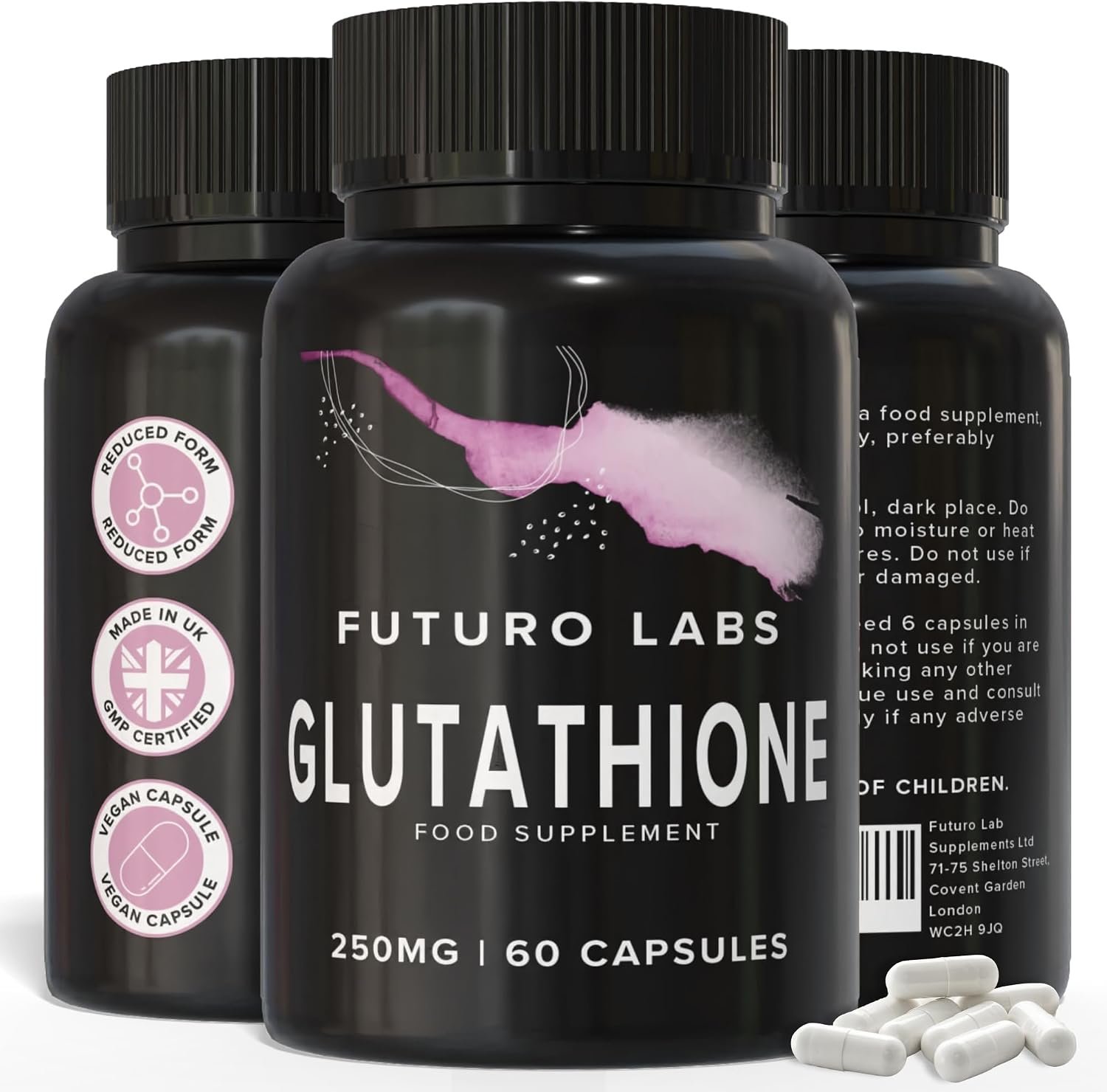
One of the few pairings with real network logic — the C side ordinary and penny-priced by design, the GSH side on its own clock, and the mega-dose theatre declined.
At a glance
- Clean pairing: no interaction concern — and genuine network logic behind it
- The division of labour: C brings the authorised claims · GSH brings the stores strategy
- The sparing evidence: adequate C associated with higher red-cell glutathione — sized honestly
- The protocol: label doses both sides · staggered starts · the usual clock on the GSH side
Why this stack is coherent where most aren't
Most supplement pairings are marketing adjacency; this one has actual architecture. The network case: vitamin C and glutathione maintain each other's working pools — C recharges spent vitamin E at membranes and is itself restored to active form through glutathione-dependent recycling, while adequate C spares glutathione the work of covering water-phase duties alone — colleagues at different posts in one electron economy (the cycle, the comparison's fuller map). The supporting evidence, sized as this cluster sizes everything: studies have observed vitamin C supplementation associated with higher red-cell glutathione — consistent with sparing logic, genuinely encouraging, and printed here as supportive findings rather than promises, because the honest stack case never needed inflation. And the regulatory division of labour that completes it: the C side carries authorised sentences (protection of cells from oxidative stress, normal immune function, reduction of tiredness and fatigue) the glutathione side lacks entirely — one stack, claims and strategy both covered, each by the molecule that actually holds it.
The protocol — cheap, boring, correctly clocked
Running the pair as this site runs every stack: label doses each side — 500mg reduced GSH once daily with food (Futuro Labs Glutathione's single serving: the evidence-matched dose, single-ingredient, independently tested, £22.99/30 days at ~77p — the record) beside an ordinary vitamin C product at its own label dose, where 'ordinary' is the operative honesty: the C side costs pennies, needs no liposomal theatre or mega-dose escalation, and any standard tablet completes the network case; staggered starts two weeks apart if attribution matters (a stack begun together can't tell you which half did what); with-food defaults on the GSH side as ever (that verdict); and the clocks kept separate and honest — the glutathione side judges on the 3-6 month stores curve regardless of company (the timeline), while the C side's authorised territory is maintenance grammar, not felt events, at any timepoint.
Futuro Labs Glutathione
£22.99 for 30-day supply · 77p per day
Pros
- 500mg reduced glutathione (GSH) per serving — the active form
- UK manufactured under GMP certification
- Single-ingredient, vegan, no fillers
- Independently lab tested — microbiology and heavy metals
- ~77p per day vs £1.20-1.80/day for liposomal formats
Cons
- Capsule format — no liposomal delivery system
- Newer brand versus heritage names like Solgar
Available from: Amazon UK — £22.99
The refusals that keep the pairing honest — and the close
What this page won't add to a good stack: mega-dose logic — more C doesn't compound the sparing effect into a promise, and gram-escalation buys digestive complaints faster than benefits; transformation framing — two maintenance molecules running network duty produce adequacy's usual quiet, and 'immune-boosting detox duo' listings have self-identified their layer (the sort); and substitution confusion — the pair complements the production inputs, never replaces them: protein, sulfur vegetables, sleep and not smoking remain the system's actual levers (ranked first, always). The standing constants: gates unmoved by good company — pregnancy/breastfeeding → medical advice, prescription medication → the pharmacist minute (the file); one glutathione product at label dose within any stack; and the close this coherent pairing earns: Futuro Labs Glutathione beside a pennies-a-day C tablet is roughly 80p daily for the network's both posts staffed — one of the cheaper honest stacks this site describes, and honestly described is the only way it's sold (the dose map).
Frequently asked questions
Can you take glutathione and vitamin C together?
Yes, cleanly — no interaction concern, and the pairing has real network logic: vitamin C participates in the recycling economy glutathione hubs (spent C is restored through glutathione-dependent pathways; the two maintain each other's working pools), and the C side brings authorised claims (oxidative-stress protection, immune function) the glutathione side lacks. One of the more coherent stacks on this shelf, and cheap to run.
Does vitamin C boost glutathione levels?
There's genuine supporting evidence: studies have observed vitamin C supplementation associated with higher red-cell glutathione — consistent with the sparing logic (adequate C reduces the drain on GSH pools). Honest sizing: supportive findings, not a claims-territory promise, and neither molecule needs the other overstated — the network case stands on its own.
What doses make sense for the pair?
Label doses each side, nothing exotic: 500mg reduced GSH once daily with food (Futuro Labs Glutathione's serving), plus an ordinary vitamin C product at its own label dose — the C side costs pennies and needs no premium format. Staggered starts if attribution matters; the 3-6 month clock governs the glutathione side regardless of company.