Premium: Worth It When Named, Never as Virtue
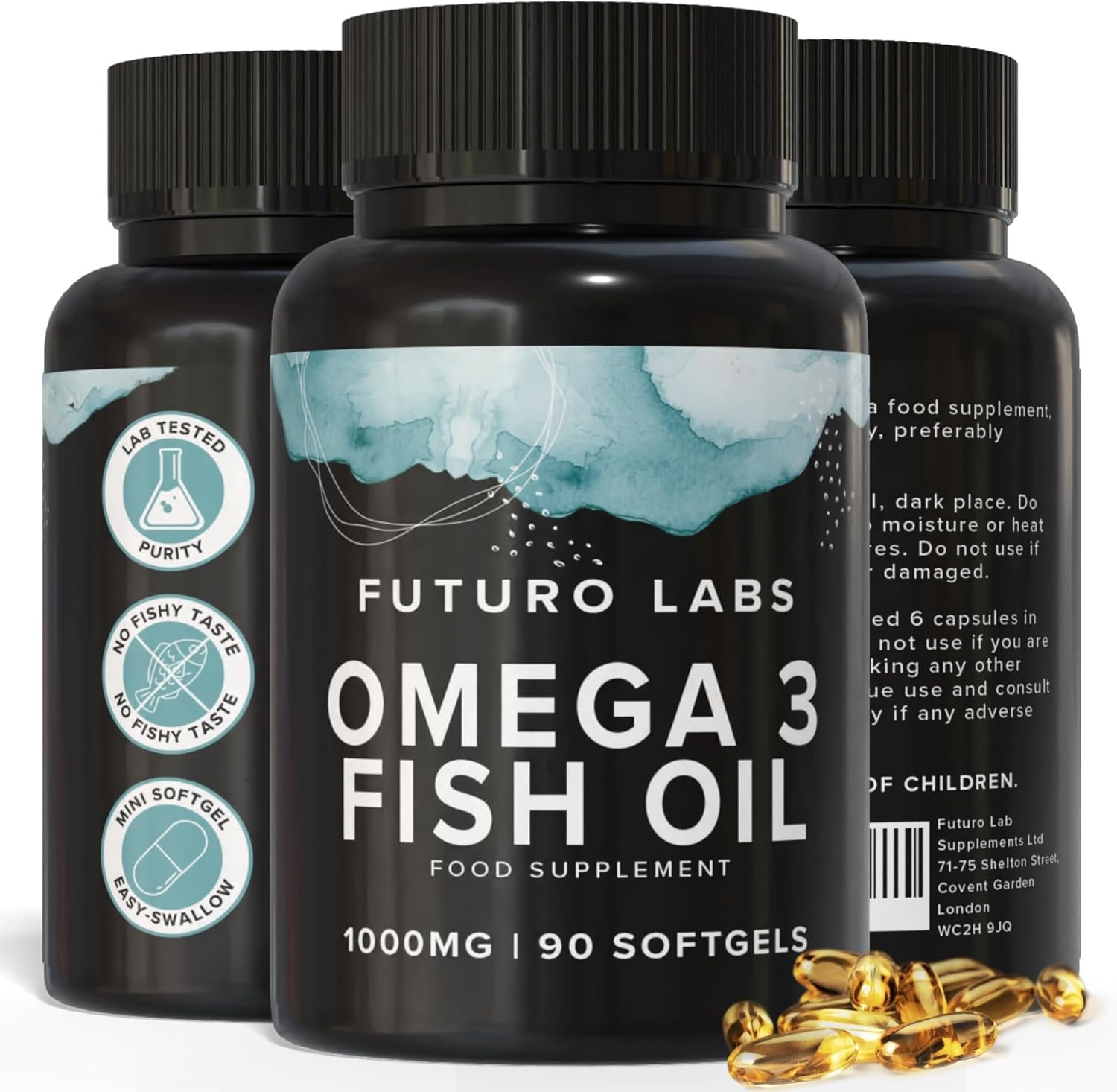
Met, fresh, tested is the everyday condition's complete brief — every pound above it buys convenience or values, knowingly or not at all.
At a glance
- The verdict shape: worth it against named needs — never as default virtue
- What premium delivers: concentration · TG chemistry · sourcing stories · assurance polish
- What the condition needs: met, fresh, tested — the value tier's whole brief
- The rule: name your number and non-negotiables first; let them pick the tier
The tier audit — what premium genuinely sells
This page closes the competitor set by auditing the tier itself, crediting before pricing: premium fish oil genuinely delivers four things — concentration firepower: high-percentage oils packing multi-hundred-milligram-to-gram payloads per serving, real convenience technology for high daily targets (the chemistry, the marketing decode beside it); form chemistry: triglyceride-esterified oils with genuine fasted-state absorption edges that every real meal narrows (the debate, its home team); sourcing narratives: named fisheries and certifications serving values-first buyers honestly (the exemplar, the framework); and assurance polish: the presentation, communication and badge some buyers rationally purchase as confidence (the tier's benchmark). Four real products — none of them efficacy.
The line the tier can't cross — claims don't scale with price
The audit's centre, stated plainly: nothing premium changes the claims arithmetic — the register conditions on milligrams reaching you (250mg of the pair for the everyday sentence, DHA's gates, the multi-gram rungs — the ladder), and a fresh, tested 300mg value softgel taken with food delivers its milligrams as completely as any boutique bottle: concentration changes capsule counts, forms change fasted-state percentages, sourcing changes footprints, polish changes feelings — and the sentence on the label changes with none of them (the layers). Which lands the honest equation this whole cluster runs on: for the everyday condition, met-fresh-tested is the complete brief — Futuro Labs Omega 3's exact design: 300mg stated at one softgel, deodorised and tocopherol-guarded, independent per-batch testing shown, ~17p across 90 days (the record, the floor it defines) — and every pound above it purchases convenience or values, knowingly or not at all.
Futuro Labs Omega 3 Fish Oil
£14.99 for 90-day supply (90 softgels) · ~17p per day
Pros
- 1000mg fish oil per softgel — 180mg EPA + 120mg DHA stated
- Mini softgel, no fishy taste, lab tested
- 90-day supply at £14.99 (~17p/day), UK made
Cons
- Fish-derived, bovine-gelatin softgel — not vegan or vegetarian (algal DHA is that route)
- Ethyl-ester form — take with a meal; DHA brain/vision register claims need 250mg DHA daily, above the one-a-day serving
Available from: Amazon UK — £14.99
The decision rule — and the close
The rule that settles every reader, in order: name your daily number — grams-without-counting sends you premium with the tier's blessing (fishless high-totals plates, and the professionally-advised whose upper-rung targets carry their own GP conversation — that head-to-head, the gap's maths); name your non-negotiables — a certified-fishery requirement, a liquid-format household, a form conviction held knowingly: values and conveniences the premium honestly sells; and if neither list filled — the 250mg condition with fresh, tested oil was always the whole brief, the floor was always the answer, and the released £240-300 a year buys the same habit three more times over. The reverse clause travels here too: the tier you'll actually take daily beats the tier you merely afford — adherence outranks arithmetic in both directions. Constants: with-a-meal chemistry at every price (why); gates as ever — pregnancy, nursing or any medication → doctor first per the label, blood thinners → the pharmacist minute (that conversation). Premium fish oil, audited to a close: four real products, zero efficacy tiers — worth it when named, and never as virtue.
Frequently asked questions
Is premium fish oil worth it?
Against named needs, yes; as default virtue, no. The premium tier genuinely delivers four things — concentration firepower, triglyceride-form chemistry, sourcing certification stories, and assurance polish — each worth its money to the buyer who came for it. The everyday 250mg condition needs none of them: met, fresh and tested is the whole brief, and the value tier covers it at ~17p.
Which premium features actually change outcomes?
Honestly: none change the claims — the register conditions on milligrams reaching you, and a fresh 300mg value softgel taken with food delivers its milligrams as surely as anything. Concentration changes capsule counts (real convenience at high targets), TG forms narrow at every meal, sourcing serves values, polish serves confidence — conveniences and values, not efficacy tiers.
What's the honest decision rule?
Name your daily number and your non-negotiables first: grams-per-day or a certified-fishery requirement or a liquid-format need → the premium tier earns its price; the 250mg condition with fresh, tested oil → the floor was always the answer, and the released money buys three more quarters of the habit.