Heavy Metals: Certificates, Not Reassurance
Not a species scandal, not scaremongering — the accumulator's bargain stated plainly. What testing has to look like, why the cheap tier skips it, and the proportion note that keeps the file sane.
At a glance
- The mechanism: seaweeds concentrate their water — the risk is the coast, not the species
- The answer: independent testing — heavy metals + microbiology, shown not claimed
- The inversion to catch: 'wildcrafted' doesn't mean clean — testing doubles for wild
- The buyer's rule: no certificate culture, no purchase — at any price
Why this file exists — the accumulator's bargain
Sea moss's nutritional identity and its one real supply-chain risk are the same mechanism: seaweeds accumulate minerals from their water — that's the whole pitch — and water doesn't sort the guest list, so a coast carrying arsenic, lead, cadmium or mercury writes those into the harvest alongside the iodine. This isn't a species scandal (Chondrus crispus from clean North Atlantic waters tests supplement-grade routinely) and it isn't rare-event scaremongering (contaminated-source seaweed products are the category's genuine recurring problem); it's the accumulator's bargain stated plainly: the alga concentrates whatever it grew in, which makes where it grew and who checked the entire safety question — and makes this file the least optional page in the cluster (the three-tier file ranks it accordingly).
The evidence standard — what testing has to look like
The answer to an accumulation risk is never reassurance prose; it's a certificate culture, and the standard is specifiable: independent laboratory testing — third-party, not in-house assurance — covering the heavy-metal panel (arsenic, lead, cadmium, mercury at minimum) and microbiology (the contamination screen any sea-harvested food owes); batch-relevant rather than a single ancient PDF; and available — published or produced on request without ceremony. Decode the label language against that standard: 'lab tested' as two floating words is decoration; 'independently tested for heavy metals and microbiology' with results accessible is data; and the inversion to catch is the wildcrafted halo — wild waters aren't clean waters by definition, harvest romance doesn't filter cadmium, and the testing requirement doubles when the label says wild (the triad's page makes verification the word's whole worth). Origin transparency completes it: named waters let a certificate mean something (the species-and-waters gate).
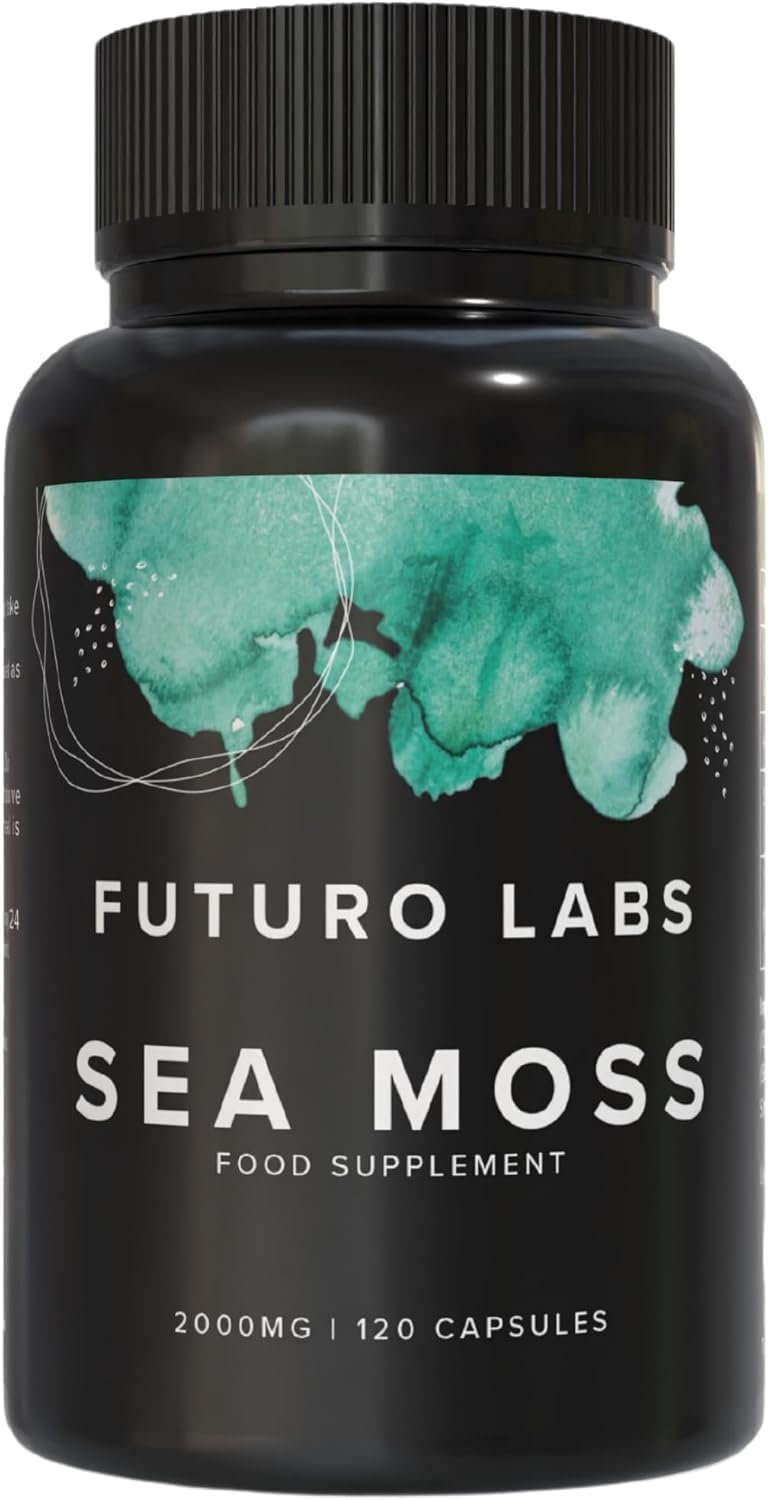
Futuro Labs Sea Moss
£9.99 for 60-day supply (120 capsules) · under 17p per day
Pros
- 2000mg raw sea moss equivalent per serving (15:1 extract)
- Wildcrafted North Atlantic Chondrus crispus — named species and origin
- Independently lab tested — heavy metals and microbiology
- Single-ingredient vegan capsules, UK GMP made
- 60-day supply £9.99 — under 17p/day
Cons
- Iodine content varies by harvest — not for precise-dose needs
- Young brand next to high-street names
Available from: Amazon UK — £9.99
The buyer's protocol — and where the cheap tier fits
The working rules this file cashes into: demand the two-panel testing before price enters the conversation — a £9.99 product with certificates (ours: independent testing for heavy metals and microbiology on wildcrafted North Atlantic material) outranks a £30 product with adjectives, and a bargain without testing was never a bargain, it was unpriced risk (the three mechanisms); treat gel and powder formats identically — the risk rides the raw material, not the format; and file the category's economics honestly: testing costs real money, which is precisely why the too-cheap tier skips it and why its absence at the bottom of the market is informative rather than surprising. The proportion note that keeps the file sane: a tested, clean-source serving is an ordinary food choice, not a hazard managed — this page exists to route you to the tested tier, not to make seaweed frightening — and once the certificate box is ticked, the rest of the cluster's ordinary rules take over: one serving, the frame, the gates (daily architecture, the routing).
Frequently asked questions
Is sea moss high in heavy metals?
It can be — and that's a supply-chain sentence, not a species one: seaweeds concentrate what their water holds, so sea moss from contaminated coasts can carry arsenic, lead, cadmium or mercury, while the same species from clean waters with verified testing carries a supplement-grade profile. The buyer's answer is never reassurance — it's evidence: independent lab results for heavy metals, published or produced on request.
What testing should a sea moss brand show?
The two-panel minimum: heavy metals (arsenic, lead, cadmium, mercury at minimum) and microbiology (the contamination screen any sea-harvested food owes you) — run by an independent lab, batch-relevant, and available rather than merely claimed. 'Lab tested' as two unsupported words is decoration; a certificate is data.
Does wildcrafted mean safer for heavy metals?
No — this is the point the marketing inverts: wild waters aren't automatically clean waters, coastal contamination doesn't respect harvest romance, and the testing requirement doubles rather than relaxes when the label says wild. Farmed-in-monitored-waters can test cleaner than wild-from-unspecified seas; only the certificate knows.