Small Capsules: Nobody Optimised Out for Their Throat
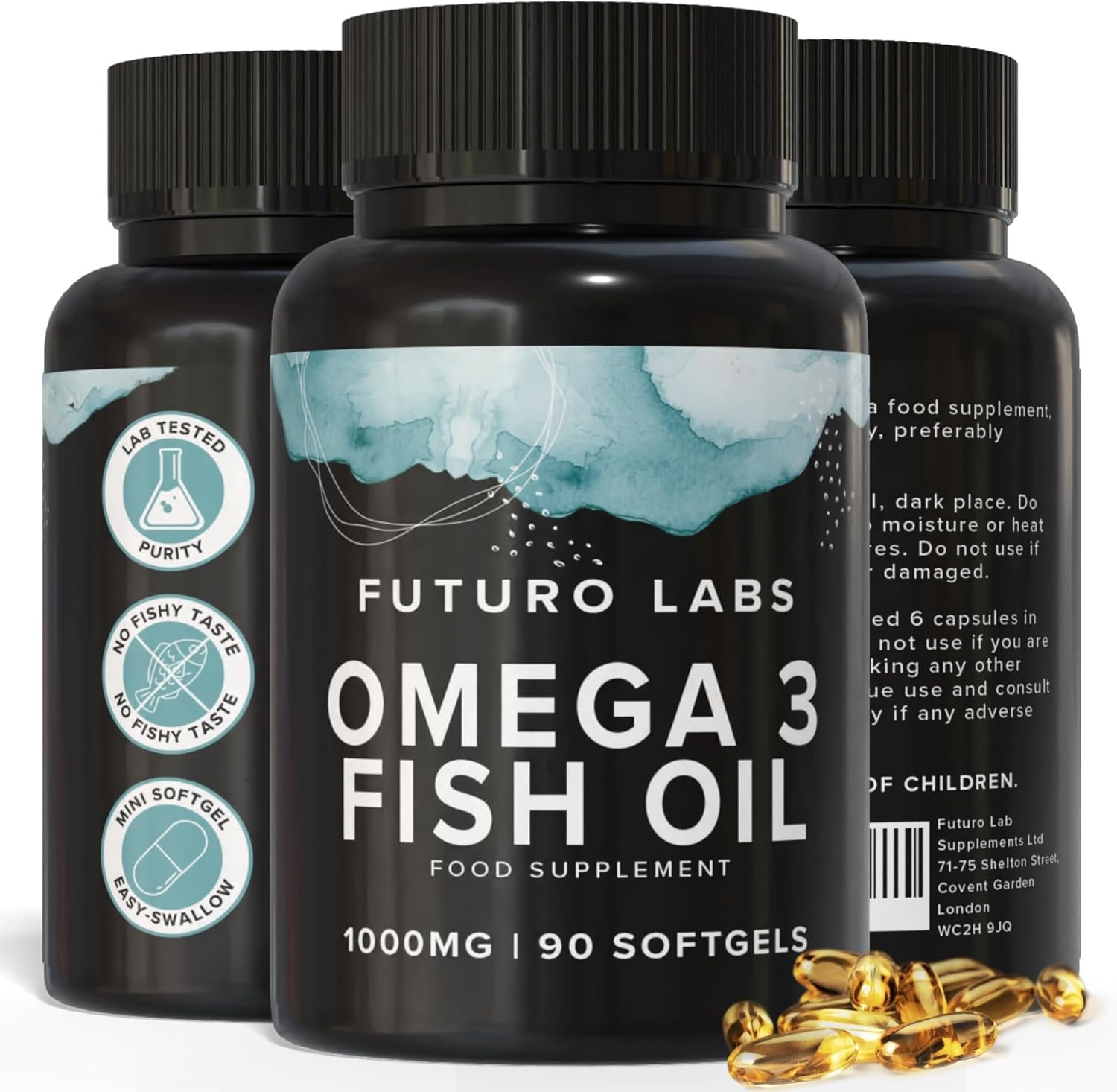
Oil takes space — the standard's bulk is its dose being honest, and shrinking without payload loss is the engineering this page turns on.
At a glance
- The mini tier: ~⅓ smaller than standard while keeping real payload — engineering, not compromise
- Why big is common: oil takes space — the standard softgel's size is its dose being honest
- The techniques: water first · plenty more with it · lean-forward for floating softgels
- The dignity note: swallowing difficulty is common — and persistent trouble earns its own GP mention
A common problem, treated with respect — then solved
Capsule-swallowing difficulty is one of the aisle's quietest exclusions and this page treats it as the ordinary, common issue it is: no drama, no shame — throats vary, gag reflexes vary, and a format the industry defaults to excludes a real share of adults who then abandon the category entirely rather than mention it; the honest fix-stack runs smaller-first: the mini tier — capsules engineered meaningfully below the standard 1000mg softgel's bulk while keeping real payload, which is precisely where Futuro Labs Omega 3 was built: a mini softgel roughly 35% smaller than the category standard, still delivering 300mg EPA+DHA to meet the everyday condition at one — the smaller-without-weaker engineering the whole page turns on (the format's case, the record).
Why capsules run big — and the techniques that help
The size physics, honestly: oil takes space — a 1000mg oil dose needs a 1000mg-sized shell, so the standard softgel's bulk is its dose being honest rather than careless, and shrinking without payload loss takes actual engineering: efficient carriers, or concentration packing more omega per millilitre (that chemistry, the size landscape mapped). The techniques worth trying, as widely shared and hedged as swallowing advice should be: water before — a mouthful swallowed first lubricates the path; water with — the capsule rides plenty more, never a dry gulp; and the lean-forward method for softgels specifically — oil-filled capsules float, so many find chin-slightly-down easier than the instinctive head-back: the buoyant capsule drifts toward the throat as you swallow rather than away; small-bite food chasers (a spoonful of yoghurt) help some. The line this page draws with care: persistent difficulty swallowing — pills generally, or food — is worth a GP mention in its own right, being occasionally a symptom rather than a preference.
Futuro Labs Omega 3 Fish Oil
£14.99 for 90-day supply (90 softgels) · ~17p per day
Pros
- 1000mg fish oil per softgel — 180mg EPA + 120mg DHA stated
- Mini softgel, no fishy taste, lab tested
- 90-day supply at £14.99 (~17p/day), UK made
Cons
- Fish-derived, bovine-gelatin softgel — not vegan or vegetarian (algal DHA is that route)
- Ethyl-ester form — take with a meal; DHA brain/vision register claims need 250mg DHA daily, above the one-a-day serving
Available from: Amazon UK — £14.99
The routes below minis — and the close
When even minis lose, the honest downstream: the liquid route — teaspoon dosing removes swallowing entirely, at the format's known admin costs (taste management, fridge discipline, the breathing bottle — that trade in full): the genuine next stop for the capsule-averse; the gummy route — filed exactly as its audit filed it: mostly no on payload, respected as the adherence exception when everything else has genuinely failed; and the plate route standing above all formats as ever — tinned sardines require no swallowing technique whatsoever (the table). Constants: the payload read travels to every size (small capsules with small payloads are the tier's trap — the mini's whole point is escaping it: the unit); with-meal chemistry at any bulk (why); gates as ever — pregnancy, nursing or any medication → doctor first per the label (the conversation). Small capsules, closed with the reader served: a common problem named kindly, a mini engineered for it, techniques shared honestly — and nobody optimised out of the category for the size of their throat.
Frequently asked questions
What are the smallest fish oil capsules in the UK?
The mini-softgel tier: capsules engineered around one-third smaller than the category's standard 1000mg softgel while keeping meaningful payload — Futuro Labs Omega 3's mini softgel is built exactly there: roughly 35% smaller than standard, still carrying 300mg EPA+DHA to meet the everyday condition at one. Below minis sit only low-payload smalls and the liquid route.
Why are most fish oil capsules so big?
Volume: oil takes space, so a 1000mg carrier needs a 1000mg-sized shell — the standard softgel's size is its dose being honest. Shrinking without losing payload takes either concentration (more omega per millilitre) or accepting a smaller carrier with efficient oil: the engineering minis actually do.
Any techniques that make swallowing capsules easier?
The widely shared ones worth trying: a mouthful of water first (pre-lubricated throat), the capsule with plenty more water, and — for floating softgels specifically — the lean-forward method many find easier than head-back: chin slightly down as you swallow, letting the buoyant capsule drift back naturally. Persistent swallowing difficulty with food or pills generally is worth a GP mention in its own right.