Powder: Flexibility's Costs, Itemised
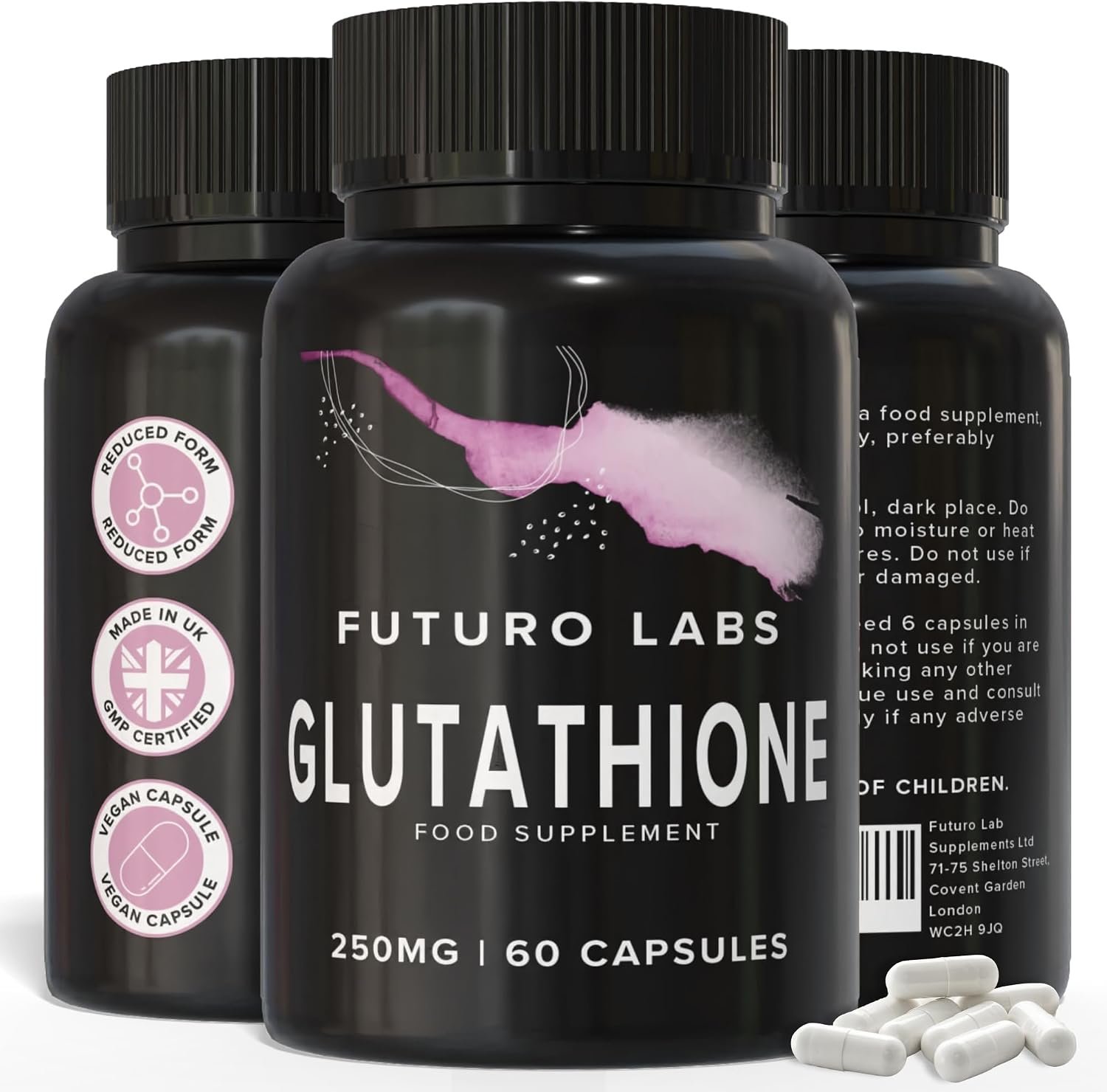
The capsule read as powder's design brief — measured, sealed, tasteless, tested — and bulk economics made to survive the scales, the losses and the abandoned-tub risk.
At a glance
- Powder's offer: flexibility, sometimes bulk economics — real, for the right buyer
- The skipped costs: dosing precision · per-serving air exposure · the sulfurous taste
- The scales rule: 0.01g resolution or you're approximating the strategy's one variable
- The default: capsules pre-solve all three — the tested route's own format
Powder's honest case — before its honest bill
The format deserves its fair opening: glutathione powder offers genuine flexibility — dose titration for the deliberate few running non-standard amounts, mixing into liquids for the capsule-averse, and bulk pricing that can undercut per-gram capsule economics for careful shoppers — real assets, for buyers who'll actually use them. The bill the listings skip, itemised: dosing precision — the stores strategy's entire mechanism is consistent real milligrams daily (the architecture), and kitchen scooping of a 500mg target is guesswork: packing density and humidity swing scoop weights enough to matter, making 0.01g-resolution scales the honest entry requirement, not an enthusiast flourish (why the milligrams are the point); stability — the thiol chemistry the storage page explains gets multiplied by format: a tub opened daily refreshes its headspace every serving, exposing an oxidation-prone molecule to air and moisture on a schedule capsules never face; and taste — sulfurous is the polite word, and the mixing rituals that mask it are a daily adherence tax the pattern pays.
The comparison — what capsules pre-solved
Set against the default format, powder's three costs read as the capsule's design brief: pre-measured doses (500mg per capsule, zero variance, no scales — the milligram question answered at the factory), per-serving protection (each dose sealed until swallowed, the headspace problem structurally absent), and taste bypassed entirely (the shell exists partly for exactly this molecule's flavour). Add the evidence posture — the foundational stores trial ran capsules, making them the tested route's own format rather than merely the convenient one (that file, the lane's ranking) — and the bulk-economics comparison completes honestly: powder's per-gram savings must survive the scales purchase, the stability losses, and the abandoned-tub risk that follows any taste-taxed ritual, after which the spread against a 77p capsule floor is thinner than the listing implied (the floor's maths).
Futuro Labs Glutathione
£22.99 for 30-day supply · 77p per day
Pros
- 500mg reduced glutathione (GSH) per serving — the active form
- UK manufactured under GMP certification
- Single-ingredient, vegan, no fillers
- Independently lab tested — microbiology and heavy metals
- ~77p per day vs £1.20-1.80/day for liposomal formats
Cons
- Capsule format — no liposomal delivery system
- Newer brand versus heritage names like Solgar
Available from: Amazon UK — £22.99
The two knowing buyers — and the close
Who powder genuinely serves, named as ever: the capsule-averse mixer — for whom a stirred daily dose is the format that actually gets taken: the adherence clause applies (its other home), chosen with the scales, the small-tub discipline and the taste truce accepted; and the precision user — the deliberate titrator who owns the equipment and the storage habits, running non-standard protocols knowingly. Everyone else lands on the default this cluster holds across every format war: Futuro Labs Glutathione's capsule — 500mg reduced glutathione pre-measured per serving, single-ingredient vegan shell, independently tested per batch, £22.99/30 days at ~77p — flexibility's costs pre-paid at the factory, the tested route in the tested format (the record). Constants under any format: the 3-6 month clock (the timeline), zero authorised claims per scoop or shell (the spine), gates always — pregnancy/breastfeeding → medical advice; prescription medication → pharmacist minute (the routing). Powder, filed honestly: real flexibility, real bill, two real buyers — and a capsule that was always the format question already answered.
Frequently asked questions
Is glutathione powder better than capsules in the UK?
Powder's honest offer is flexibility and sometimes bulk economics; its honest costs are the ones the listings skip: dosing precision (kitchen measuring of 500mg is guesswork without scales), stability (a repeatedly-opened tub exposes an oxidation-prone thiol to air and moisture every serving), and taste (sulfurous — the polite word). Capsules pre-solve all three, which is why they're the tested route's format and this site's default.
How would I dose glutathione powder accurately?
Honestly: with 0.01g-resolution scales, not scoops — 'level scoop' varies with packing and humidity enough to matter at 500mg targets. If a powder listing supplies only a scoop and confidence, it's asking you to approximate the one variable — real milligrams, daily — the entire stores strategy runs on.
Who is powder genuinely right for?
Two knowing buyers: the capsule-averse who'll genuinely take a mixed dose daily (adherence clause, as ever), and the scale-owning precision user comfortable managing stability (small tubs, tight lids, dry storage, brisk consumption). Everyone else is paying flexibility's costs without using its benefits.