Storage: Finished Before Chemistry Gets a Vote
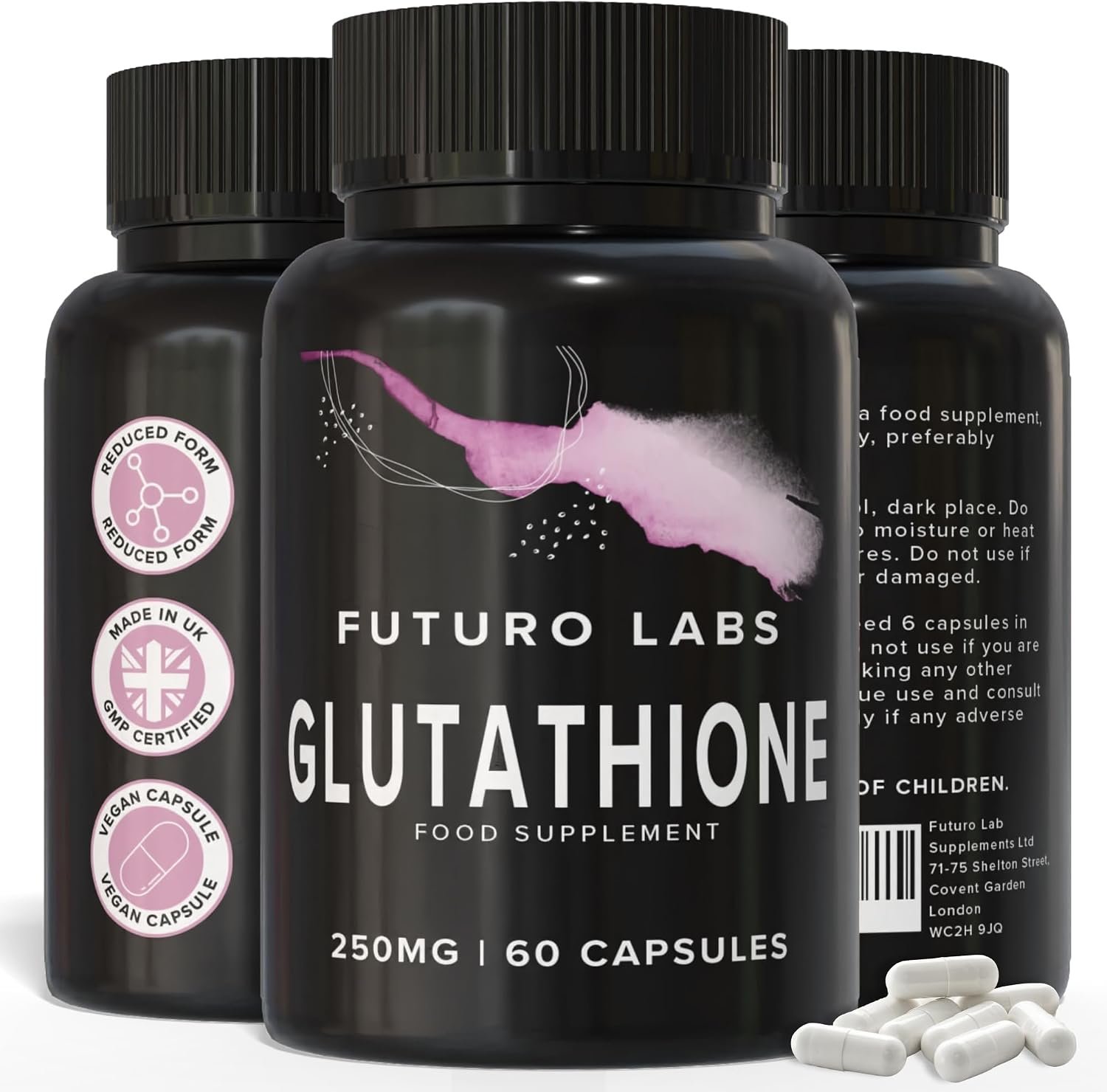
The bathroom cabinet named as the classic error, the month-loose organiser as voluntary oxidation — and stability by consumption as the least glamorous technology there is.
At a glance
- The three clocks: cool · dry · sealed — kitchen-steam and bathroom-humidity are the real enemies
- The molecule note: an oxidation-prone thiol — air and moisture matter here more than folklore
- No fridge needed: capsules store at room temperature — refrigeration adds condensation risk
- Expiry honesty: potency-loss risk, not danger — buy what you'll finish
The general rules — and the one molecule-specific reason to keep them
Storage advice is usually boilerplate; glutathione gives the boilerplate a real mechanism worth knowing: the molecule's working part is a thiol — cysteine's sulfur-hydrogen handle, the business end of everything it does (that structure) — and thiols are oxidation-prone by nature: air and moisture exposure gradually convert reduced GSH toward its spent, disulfide-paired form, which is chemistry doing exactly what the GSH/GSSG cycle describes, just uselessly, in your cupboard (the cycle). So the three clocks earn their keep here more than for most actives: cool — ordinary room temperature, away from the oven's radiated heat and the sunny windowsill; dry — the operative word: not the bathroom cabinet (shower humidity is the classic supplement-storage error) and not beside the kettle; sealed — lid properly closed after each serving, because the headspace refreshes with every casual open, and the original container kept: opacity blocks light, and that desiccant sachet is working, not packaging.
The habits that matter — and the ones that don't
Sorted by actual effect: worth doing — the anchor-adjacent cupboard (storage beside the breakfast things serves both stability and the daily pattern this whole strategy runs on — the architecture); no decanting into pill organisers weeks ahead for this molecule specifically — a seven-day organiser filled weekly is a reasonable compromise, a month loose in a Sunday-to-Saturday tray is voluntary oxidation; buying to the finish — 30-day bottles consumed on schedule never test the expiry question (the supply-cadence page); not worth doing — refrigeration for capsules (adds condensation cycling on daily in-and-out, solves nothing the cupboard hadn't), freezer folklore, and foil-pouch transfers: the manufacturer's container already made these decisions with more information than the kitchen has. Travel note for completeness: days-to-weeks in a sealed container in luggage is fine — the clocks are about months of habit, not a fortnight in Spain (the travel page).
Futuro Labs Glutathione
£22.99 for 30-day supply · 77p per day
Pros
- 500mg reduced glutathione (GSH) per serving — the active form
- UK manufactured under GMP certification
- Single-ingredient, vegan, no fillers
- Independently lab tested — microbiology and heavy metals
- ~77p per day vs £1.20-1.80/day for liposomal formats
Cons
- Capsule format — no liposomal delivery system
- Newer brand versus heritage names like Solgar
Available from: Amazon UK — £22.99
Expiry, potency, and the honest close
The end-of-life questions, answered at their real size: the expiry date bounds the period the manufacturer stands behind stated potency under proper storage — for an oxidation-prone thiol the realistic out-of-date scenario is quiet potency drift rather than harm, meaning the expired-bottle gamble is paying full attention to a fading dose: not dangerous theatre, just bad value for a strategy whose whole mechanism is consistent real milligrams (the dose map); visible changes (clumping from moisture, odour shifts) end a bottle regardless of date — trust the evidence in front of you over the print; and the structural solution to the entire topic is purchase cadence: Futuro Labs Glutathione's 30-day supply at £22.99 (~77p/day) is sized so that ordinary daily use finishes each bottle well inside every window — stability by consumption, the least glamorous storage technology there is (the record). Constants as ever: the strategy's clock unaffected by any cupboard (3-6 months), gates always — pregnancy/breastfeeding → medical advice; prescription medication → pharmacist minute (the routing). Storage, settled: three clocks, one reactive thiol, zero folklore — and a bottle designed to be finished before chemistry gets a vote.
Frequently asked questions
How should glutathione be stored?
Three clocks, as with any active: cool, dry, sealed — a cupboard away from the kettle's steam and the bathroom's humidity, lid properly closed, original container kept (desiccant and opacity are doing jobs). The molecule-specific note: GSH's thiol is oxidation-prone by nature, so moisture and air exposure are the enemies worth actually respecting rather than folklore.
Does glutathione need refrigerating?
Capsules, no — room-temperature cupboard storage inside the guidelines above is the standard and sufficient answer for sealed capsule products; refrigeration mainly adds condensation risk on in-and-out use. (Liquid and reconstituted formats play by their own labels — follow those.)
Can I use glutathione past its expiry date?
Don't build the habit: the date bounds the period the maker stands behind potency, and for an oxidation-prone thiol the main out-of-date risk is quiet potency loss rather than danger — you'd be paying full attention for a fading dose. Buy supply you'll finish inside the window; the 30-day bottle cadence makes that automatic.