GSH vs Milk Thistle: The Organ Was Never Broken
The free levers ranked above both bottles, real symptoms routed promptly, and each purchase described at its honest size — tradition, role, and no detox verb anywhere.
At a glance
- Milk thistle's card: traditional botanical · large-but-mixed clinical file · no claims
- Glutathione's liver truth: native conjugation chemistry · no healthy-adult liver trials
- 'Liver detox': a marketing construction — the organ detoxifies continuously by design
- Real symptoms: GP territory — urgently if jaundice-adjacent
Two liver reputations, both audited
This comparison pairs the liver aisle's two biggest names, so both get the full audit. Milk thistle (silymarin): the traditional botanical — centuries of use-history, a genuinely large research file concentrated where few buyers realise: diagnosed liver-disease contexts, with trial outcomes running mixed and often underwhelming even there — and for the healthy adult seeking 'support', a thin evidence base beneath a thick reputation; no authorised UK claims at any dose. Glutathione: native liver chemistry rather than visitor — the co-substrate of phase-two conjugation, genuinely central to how the organ processes compounds (the chemistry's page, and the acetaldehyde file at the alcohol page) — but with the honest gap stated as this cluster always states it: being liver chemistry is a role description, and no trial shows oral supplementation improving liver outcomes in healthy adults; the stores finding (the trial) measured stores, not organs.
The category audit — 'liver detox' as construction
The shelf both molecules get sold on deserves its own paragraph: 'liver detox' is a marketing construction built on inverting the organ's job — your liver performs detoxification continuously as core function, around the clock, unprompted; nothing 'flushes' it, no supplement performs its work for it, and products sold on the detox verb are pricing a misunderstanding of what the organ is (the existing liver-search page holds this line, the same audit culture). What actually supports the organ, ranked by evidence and cost: alcohol moderation — the single biggest modifiable liver lever, with the honest door held open where moderation is the real question (that page's close); healthy weight — the second, given how common metabolic liver strain has become; and not adding unnecessary compounds — the quiet third the supplement aisle rarely mentions about itself. And the routing that outranks the page: real symptoms — persistent fatigue with other signs, pain, appetite change, and urgently anything jaundice-adjacent (yellowing skin or eyes, dark urine) — are GP territory, promptly.
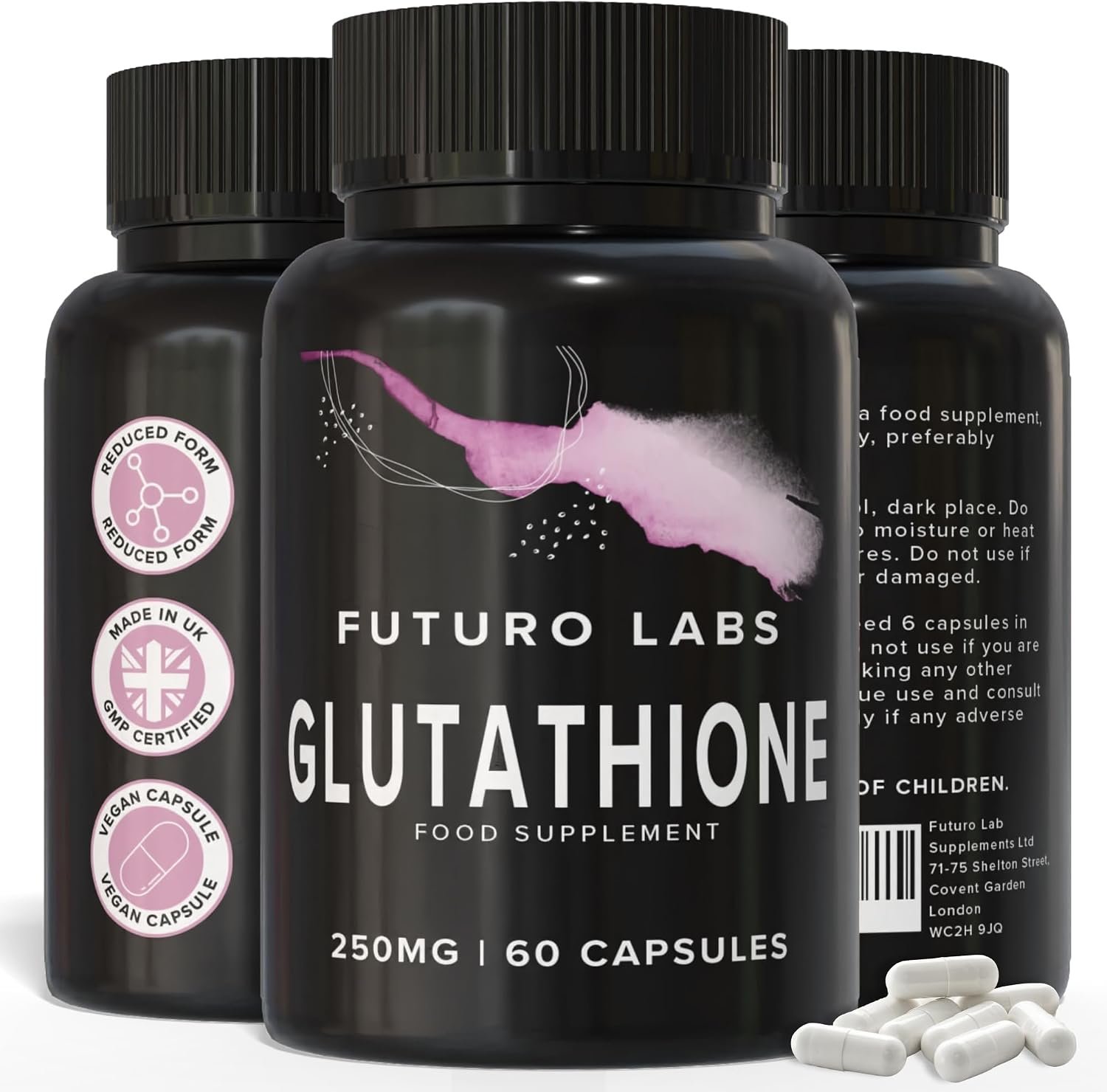
Futuro Labs Glutathione
£22.99 for 30-day supply · 77p per day
Pros
- 500mg reduced glutathione (GSH) per serving — the active form
- UK manufactured under GMP certification
- Single-ingredient, vegan, no fillers
- Independently lab tested — microbiology and heavy metals
- ~77p per day vs £1.20-1.80/day for liposomal formats
Cons
- Capsule format — no liposomal delivery system
- Newer brand versus heritage names like Solgar
Available from: Amazon UK — £22.99
The router — and both bottles kept honest
Sorted by buyer: the 'liver detox' searcher — the category you're shopping doesn't exist as sold: take the free levers above, route real concerns to the GP, and spend nothing on the verb; the traditional-botanical buyer — milk thistle taken knowingly (tradition valued, mixed clinical file owned, healthy-adult gap accepted) is a personal-values purchase this page describes without joining; the stores-strategist — glutathione on its own terms only: Futuro Labs Glutathione at 500mg reduced GSH daily, single-ingredient, independently tested, £22.99/30 days at ~77p, bought for the repletion strategy and never for organ promises (the record, the clock). Constants as ever: one molecule for the pharmacist to check beats botanical blends on interaction grounds alone (the routing — and silymarin has its own pharmacist-worthy interaction notes); gates always — pregnancy/breastfeeding → medical advice. The liver aisle's two names, filed: a botanical with tradition and a mixed file, native chemistry with a role and no outcome trials — and a detox category that was never real enough to rank.
Frequently asked questions
Glutathione or milk thistle for the liver?
The honest sort: milk thistle (silymarin) is the traditional liver botanical — centuries of use, a large but mixed research file concentrated in clinical liver contexts, no authorised UK claims; glutathione is native liver chemistry (conjugation's co-substrate) with its stores trial but zero liver-outcome trials in healthy adults. Neither is a 'liver detox' product — that category is marketing — and actual liver symptoms are GP territory, urgently if jaundice-adjacent.
Does milk thistle actually work?
The file honestly: silymarin has genuine research volume — mostly in diagnosed liver-disease contexts, with mixed and often underwhelming trial outcomes — plus a long traditional-use record. For healthy adults seeking 'liver support', the evidence is thin either side: the honest levers are alcohol moderation and weight management, not botanicals.
What about 'liver detox' products generally?
The category is a marketing construction: your liver performs detoxification continuously as core function, no supplement 'flushes' it, and products sold on that verb are pricing a misunderstanding. Support the organ the boring way — moderate alcohol, healthy weight, no unnecessary compounds — and route real concerns to a GP.