Plant-Based: Algal Isn't the Compromise — It's the Origin
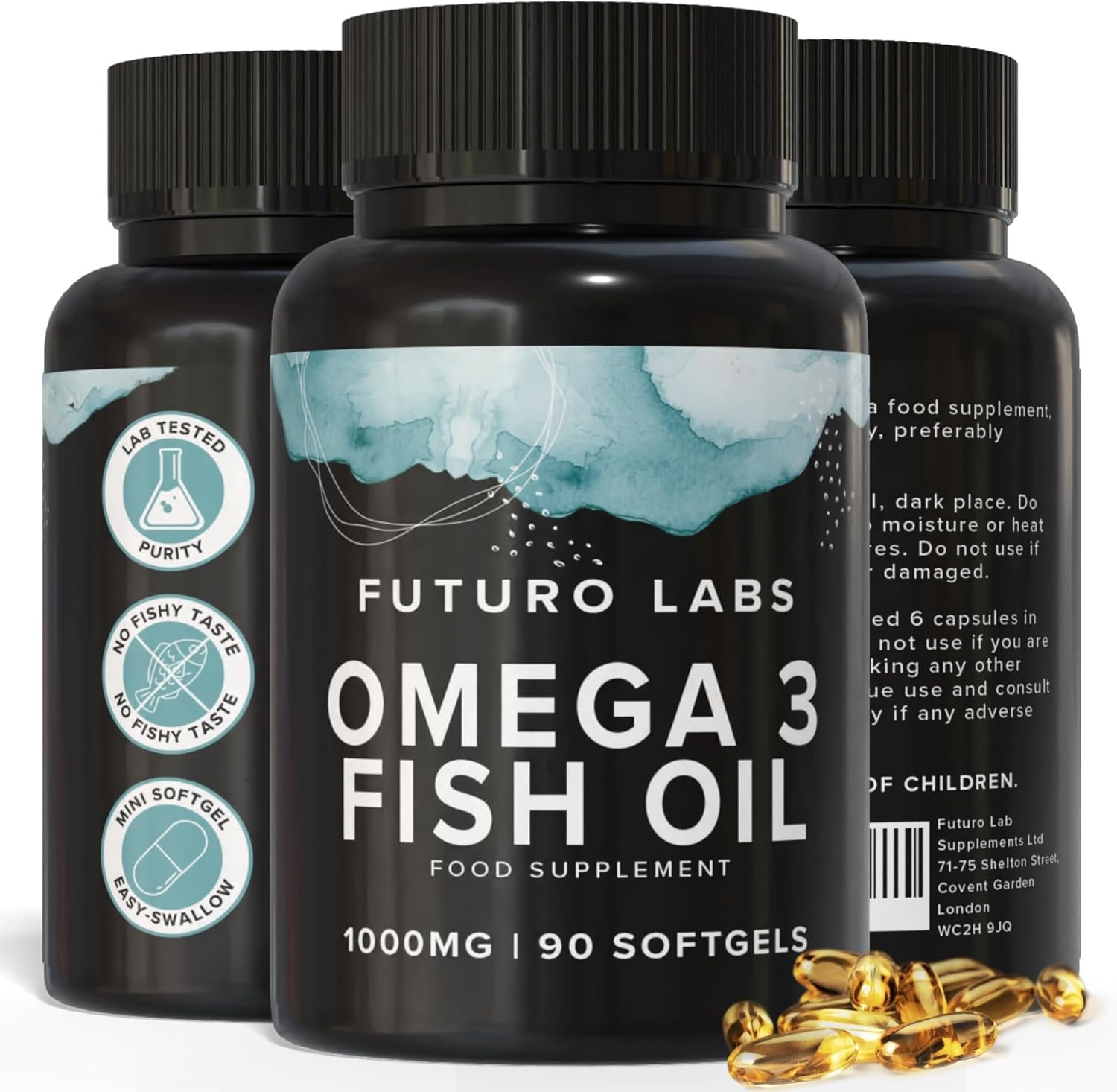
A fish-oil page that routes you past itself honestly — the door that opens, chosen with the same label discipline as everything here.
At a glance
- Our position first: this is fish oil in bovine gelatin — not for you, and routed honestly
- The two plant-side routes: ALA foods (their own job) · algal oil (the marine pair directly)
- The conversion truth: rounding-error rates — flax can't substitute for the pair
- The algal read: the five questions travel — plus the shell check
The disclosure that opens every honest version of this page
Vegetarian and vegan readers get this cluster's straightest sentence first: Futuro Labs Omega 3 is not for you — fish oil in a bovine-gelatin softgel, neither vegetarian nor vegan, printed as a limitation on our own review and on every page it touches — and this page exists to route you well rather than persuade you around your own line (the routing's full home). The territory itself, mapped for the plant-based plate: the omega-3 family splits into ALA (the plant-side essential from flax, chia, walnuts and rapeseed — real nutrition with its own authorised claim: 2g daily for cholesterol maintenance, met by a tablespoon of ground flax) and the marine pair EPA and DHA — the acids every heart, brain and vision sentence conditions on, historically fish-delivered and originally algal all along (the family, ALA's honest card).
The conversion wall — and the door through it
Why the ALA route can't carry the marine job alone: conversion — ALA to EPA runs at low single-digit percentages in most people, onward to DHA lower still, making the pathway real biology and a rounding-error strategy: tablespoons of flax oil yield marine-pair amounts a single capsule embarrasses, and 'plant omega 3' front labels leaning on ALA need their panels read twice (the pair's jobs). The door that actually opens: algal oil — cultivated microalgae are where fish get their EPA and DHA in the first place, algal supplements harvest the source directly, and the molecules are identical: same acids, same register conditions (250mg of the pair for the everyday heart sentence, DHA's own gates above — the source-agnostic ladder), no fish, no fishery. For the plant-based plate wanting the marine pair, algal isn't the compromise — it's the origin.
Futuro Labs Omega 3 Fish Oil
£14.99 for 90-day supply (90 softgels) · ~17p per day
Pros
- 1000mg fish oil per softgel — 180mg EPA + 120mg DHA stated
- Mini softgel, no fishy taste, lab tested
- 90-day supply at £14.99 (~17p/day), UK made
Cons
- Fish-derived, bovine-gelatin softgel — not vegan or vegetarian (algal DHA is that route)
- Ethyl-ester form — take with a meal; DHA brain/vision register claims need 250mg DHA daily, above the one-a-day serving
Available from: Amazon UK — £14.99
Choosing well on the algal shelf — and the close
The buying read, ported with two plant-specific additions: the five questions travel — EPA and DHA stated in milligrams per capsule (DHA-only algal products are common: know which acids against which claim), payload summed against the 250mg shape, freshness handled (algal polyunsaturates oxidise like any — antioxidant protection and dating matter), testing shown, per-day maths run (algal typically costs more per milligram: cultivation economics, paid for the only door that exists — the read's home); plus the shell check — some algal oils still ship in gelatin capsules: the vegan buyer confirms the shell as well as the oil; and the price framing kept fair — the premium buys source alignment, which for this reader was the entire brief. Constants crossing every diet: with-a-meal chemistry (the cascade), the quiet tissue clock (the timeline), and the gates on any oil's label — pregnancy, nursing or any medication → doctor first (the conversation). Vegetarians, vegans and omega 3, closed with the routing intact: ALA doing its own job, algal opening the marine door — and a fish-oil page that told you straight it wasn't yours.
Frequently asked questions
How do vegetarians and vegans get omega 3?
Two honest routes: ALA from plants (flax, chia, walnuts, rapeseed — genuinely essential, with its own 2g cholesterol-maintenance claim, converting to the marine pair only at rounding-error rates) and algal oil — the direct route to EPA and DHA themselves, same molecules the fish were carrying, no animal involved. For the marine pair specifically, algal is the answer; this fish-and-gelatin product isn't, and says so.
Why can't I just rely on flaxseed?
Because conversion is the quiet fact that sorts everything: ALA to EPA runs in low single digits, onward to DHA lower — tablespoons of flax yield marine-omega amounts a single algal capsule embarrasses. Flax stays valuable for ALA's own job; the marine pair needs supplying directly.
How should a vegan choose an algal supplement?
The same five-question read, source-swapped: EPA and DHA stated in milligrams (DHA-only products are common — know which you're buying), the 250mg everyday shape as the benchmark, freshness handled (algal oils oxidise too), testing shown, per-day maths honest — plus a shell check, since some algal products still use gelatin capsules.